



Your first running kit doesn't need to resemble what an experienced marathoner carries.
A comfortable pair of shoes, suitable clothing and a familiar running route are enough to begin. But as you move from short neighbourhood runs to regular 5Ks, weekend long runs or your first half-marathon, your requirements change.
Shoes need to accommodate longer sessions. Nutrition becomes part of training. Carrying water, gels and personal essentials may require more than ordinary clothing pockets.
The best running gear is equipment that solves a real problem in your training. Start with footwear and comfort, plan your nutrition around the effort, and choose bags or accessories according to what you actually need to carry.
Here's how to build a complete running kit without buying everything at once.
Running Gear Essentials: Your Complete Checklist
Not every item is necessary from the beginning.
| Running essential | Priority | What to look for |
|---|---|---|
| Running shoes | Essential | Proper fit, suitable cushioning and terrain-specific grip |
| Running socks | Essential | Comfortable seams, secure fit and moisture management |
| T-shirt and shorts/leggings | Essential | Breathable fabric and unrestricted movement |
| Sports bra | Essential if needed | Appropriate support and comfortable fit |
| Pre-run nutrition | Important | Familiar, easily tolerated food suited to the session |
| Water and hydration equipment | Condition-dependent | Capacity based on individual needs and water access |
| Running belt | Optional | Secure storage for phone, keys and small essentials |
| Running hydration vest | As training progresses | Space for water, nutrition and additional equipment |
| Reflective gear or light | Essential in low visibility | Being visible and seeing the route |
| GPS watch | Optional | Pace, distance and training data |
The order matters. Investing in well-fitting shoes and comfortable clothing usually provides more immediate value than purchasing a smartwatch or hydration vest before you've established a running routine.
1. Running Shoes: Where Should You Start?
Running shoes deserve more consideration than most other equipment because they're worn throughout every session.
A good beginner shoe should feel comfortable, fit securely and suit the surfaces you use most often.
What makes a good pair of running shoes?
Focus on four characteristics:
-
Toe room: Your toes should move comfortably without pressing against the front.
-
Heel security: The heel should stay in place without persistent slipping.
-
Midfoot fit: The shoe should feel secure without uncomfortable pressure.
-
Surface suitability: Road-running and trail-running footwear have different outsole requirements.
REI's running shoe fitting guide recommends approximately a thumb's width of space ahead of the longest toe and a secure, comfortable fit around the heel and midfoot.
Try shoes with the socks you intend to wear for running.
Do beginners need expensive running shoes?
No. Price does not guarantee that a particular model will fit your feet better.
Choose footwear according to comfort and intended use rather than following marathon runners who wear expensive carbon-plated racing shoes.
For someone beginning with park loops and road runs, a comfortable daily training shoe is generally a more sensible starting point than specialized racing footwear.
2. Running Clothes and Socks: What Actually Matters?
Running clothing needs to accommodate repeated movement, perspiration and changing weather conditions.
You may already own suitable sportswear.
Essential running clothing
Running T-shirts
Choose lightweight clothing that doesn't restrict arm movement or cause persistent rubbing. Moisture-wicking fabrics can improve comfort during sweaty sessions.
Running shorts or leggings
Prioritize a secure waistband, freedom of movement and seams that don't create friction.
Running socks
Socks should remain in position without bunching inside your shoes. Moisture management and comfortable seams become especially important as your time on your feet increases.
Sports bras
For runners who need breast support, a properly fitted sports bra is a core part of the kit rather than an optional accessory.
Consider the conditions you train in
Indian running conditions vary considerably.
A humid morning in Mumbai may require lightweight clothing that handles sweat comfortably. A cooler winter run in North India may call for removable layers, while exposed routes require appropriate sun protection.
Don't assume heavier clothing is necessary merely because the run begins before sunrise. Check the actual weather and expected conditions throughout the session.
3. Running Nutrition Essentials: What Should You Eat?
Nutrition requirements change with training duration, intensity and individual tolerance.
A short beginner run generally doesn't require energy gels or specialized sports drinks. Longer endurance sessions may benefit from a more deliberate carbohydrate and hydration plan.
What should you eat before a run?
For a morning run, a familiar carbohydrate-rich snack may be practical if you need food beforehand.
Common options include:
-
A banana
-
Toast
-
A small serving of poha
-
Other familiar, easily tolerated carbohydrate-rich foods
The appropriate portion and timing depend on how soon you're running, the session's intensity and your digestive comfort.
Avoid experimenting with unfamiliar foods immediately before an important training session or race.
Do you need energy gels while running?
Not necessarily.
The Australian Institute of Sport provides the following general carbohydrate guidance for exercise:
| Exercise duration | General carbohydrate guidance |
|---|---|
| Under 45 minutes | Additional carbohydrate during exercise generally isn't needed |
| 45–75 minutes of sustained high-intensity exercise | Small amounts may be beneficial |
| 1–2.5 hours of endurance exercise | 30–60g of carbohydrate per hour |
| Longer endurance exercise | More individualized fueling strategies may be appropriate |
Source: Australian Institute of Sport sports nutrition guidance. These are general sports-performance guidelines, not fixed requirements for every runner.
Sports gels are one way to consume carbohydrate, but they aren't the only option.
Depending on the session, familiar foods, sports drinks or other suitable carbohydrate sources may work.
For longer runs, practise your chosen fueling method during training. Digestive tolerance is an important part of finding a suitable approach.
What should you eat after running?
A normal meal containing carbohydrates and protein can support post-exercise recovery.
For Indian runners, practical options include:
-
Rice, dal and vegetables
-
Roti with paneer or another protein source
-
Eggs and toast
-
Curd with fruit and other suitable foods
Meals should reflect your overall dietary requirements and training demands.
Protein supplements aren't mandatory for recovery. The Australian Institute of Sport recommends considering ordinary food sources first, using supplements when they offer a genuine practical advantage.
4. Hydration Essentials: Do You Need a Bottle or Running Vest?
Hydration planning should begin with your environment and the availability of safe drinking water.
An easy run along a familiar park loop differs from a long training session without dependable refill points.
Before selecting equipment, consider:
-
How long you'll be exercising
-
Temperature and humidity
-
Your individual fluid requirements
-
Available drinking-water facilities
-
The amount of water you need between refills
More water-carrying capacity isn't automatically better. Carry what your planned route requires, and avoid treating a container's maximum capacity as a drinking target.
When is a basic water bottle sufficient?
A reusable bottle can be appropriate when you need to carry a modest amount of water and don't mind holding or storing it.
For supported running events, aid stations may reduce the amount of water you need to carry personally.
When does a hydration bladder become useful?
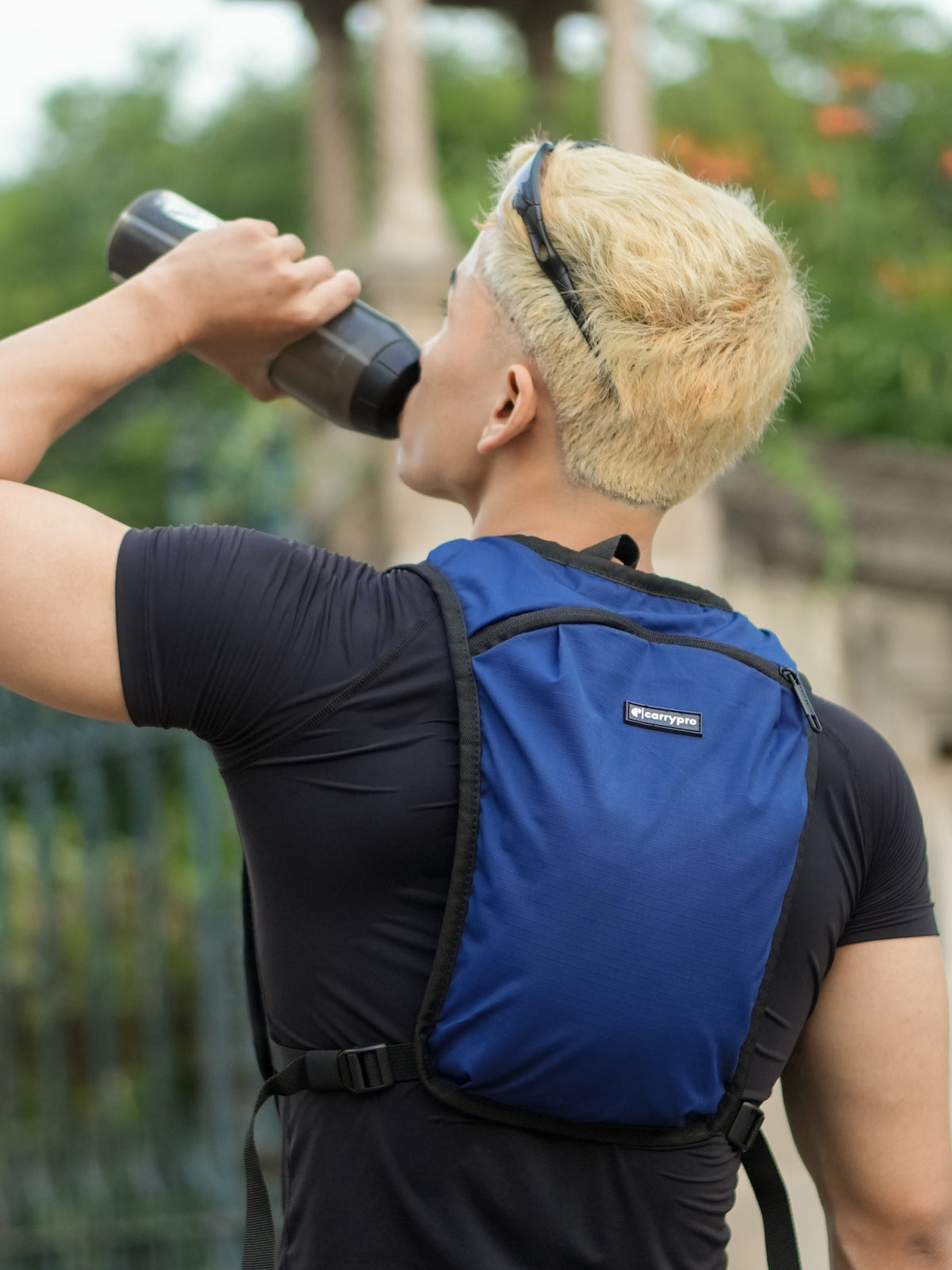
A hydration bladder can be practical when you want to carry more water through a compatible backpack or vest.
For example, the CarryPro 2L Hydration Bladder offers a flexible water reservoir and drinking tube for compatible carrying systems.
The 2L figure describes storage capacity. Your actual fluid requirements may be higher or lower.
5. Running Bags: Belt, Vest or Backpack?
Running bags solve a different problem from shoes and clothing. They help organize and secure the equipment you need while moving.
The right bag depends primarily on what you're carrying and where you're carrying it, not simply the distance shown on your running app.
| Carrying option | Best suited to | Typical contents |
|---|---|---|
| Running belt | Small personal essentials | Phone, keys, cash, cards, compact nutrition |
| Running hydration vest | Water and equipment needed during longer or unsupported runs | Hydration system, gels, phone, compact essentials |
| Everyday backpack | Transporting equipment to training | Change of clothes, towel, shoes, water bottle |
Running belts for everyday essentials
A running belt can be useful when your shorts or leggings don't have secure pockets.
The CarryPro Pro Running Belt has an adjustable waist strap and a zippered compartment for small essentials.
It can accommodate items such as keys, cards and compatible phones, although the exact fit depends on their dimensions.
A belt isn't mandatory if your running clothing already provides secure storage.
Running hydration vests for additional equipment
As your training becomes more demanding, you may need to carry water, nutrition and personal items together.
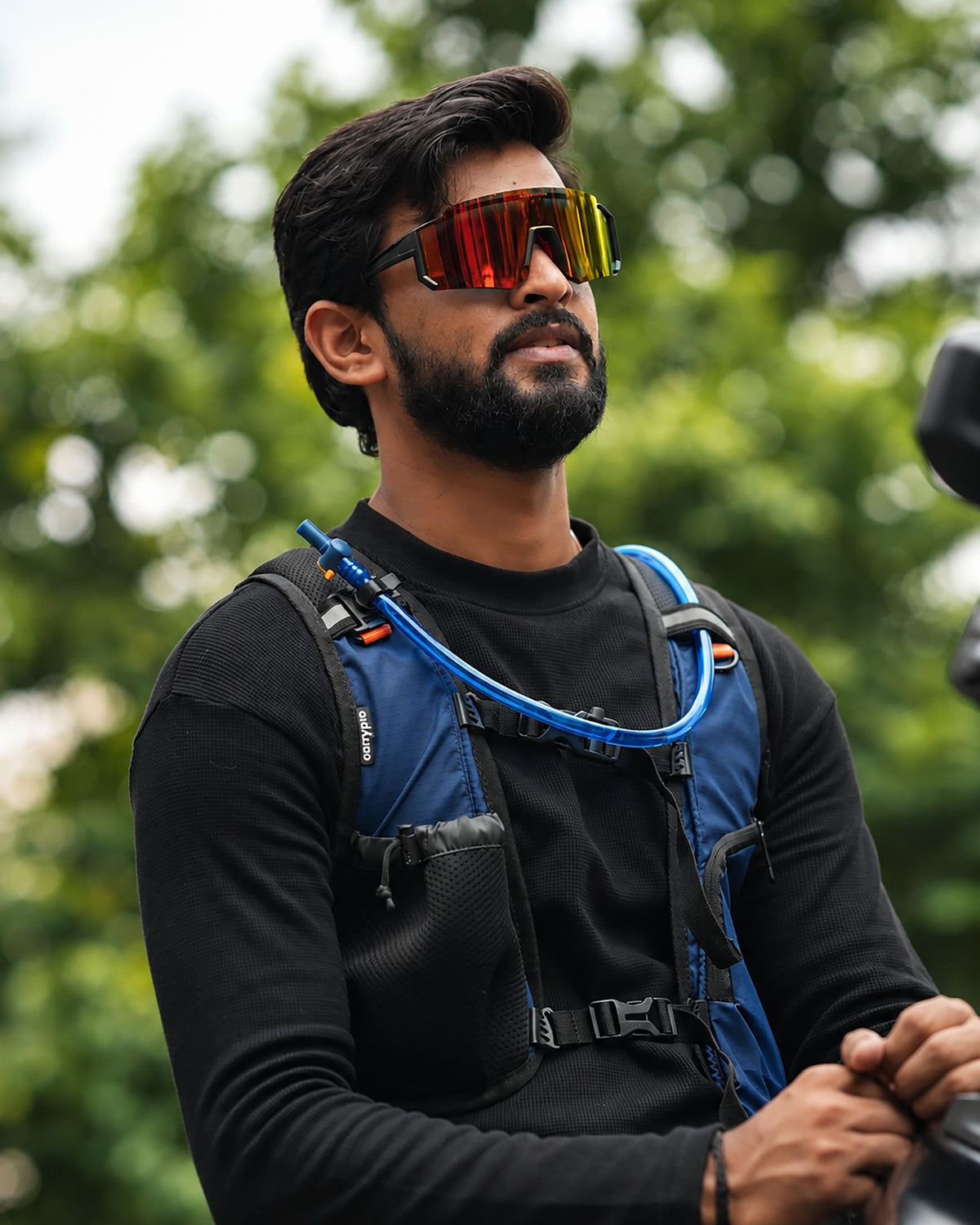
The CarryPro Sprint Running Vest (3L) has:
-
A listed empty weight of 240g
-
A nominal storage capacity of 3L
-
Adjustable chest straps
-
Breathable mesh support
-
A dedicated hydration bladder compartment
-
Front-access pockets for compatible running essentials
Its hydration bladder is sold separately.
A published CarryPro customer review describes how the Sprint made carrying bottles and food during longer runs more convenient than relying on clothing pockets. That is an individual experience, not a guarantee of fit or comfort for every runner.
Test the vest with your intended load before relying on it for a long run.
If you're choosing between smaller accessories and a hydration vest, CarryPro's running belt, armband and vest comparison provides a more detailed breakdown.
Backpacks for carrying your gear to training
A backpack can also be useful without being worn during the run.
Runners commuting to an office, attending a running club or travelling to a race venue may need somewhere to store extra clothing, a towel, shoes and post-run essentials.
The CarryPro LITE 15L Daypack is an everyday bag with water-bottle pockets, a device compartment and space for personal items.
It's better considered for transporting gear before and after a run than as a dedicated running hydration pack.
6. Safety Accessories: What Should You Carry?
Running safely involves more than choosing footwear and accessories.
Reflective equipment and lights
For poorly illuminated routes, reflective clothing helps other road users see you. A headlamp or suitable running light can help you identify obstacles when ambient lighting is insufficient.
Phone and emergency contact
A charged phone may be useful for navigation or contacting someone if plans change. Keep it secured and accessible.
Weather and air quality
Check the local weather and Air Quality Index before training outdoors.
India's National Centre for Disease Control advises avoiding outdoor running or other strenuous activity during poor to severe air pollution conditions, particularly when exposure is likely to be prolonged.
On unsuitable days, a treadmill or indoor training session may be the better option.
7. What Running Gear Should You Buy First?
You can build a useful kit in stages rather than purchasing everything together.
| Your running stage | Prioritize | Add only when needed |
|---|---|---|
| Starting with run-walk sessions | Shoes, socks, comfortable clothing, appropriate support | Secure phone storage, visibility equipment |
| Running regularly | Comfortable basics, weather-appropriate clothing, familiar nutrition | Running belt, water-carrying option |
| Preparing for longer runs | Tested shoes, hydration plan, practiced fueling | Hydration vest and additional storage |
| Training for endurance events | Equipment suited to the event, established nutrition and hydration strategy | Advanced watch, specialist apparel and other performance accessories |
A runner preparing for a 5K doesn't need to buy the same equipment as someone training independently for a marathon.
Similarly, someone joining a supported event may require a different carrying setup from a runner who spends several hours training on unsupported routes.
For the contents of an individual run rather than the equipment you should buy, refer to CarryPro's complete guide on what to carry on a run.
8. Running Gear Checklist Before You Leave Home
Use this quick checklist to confirm that your equipment suits the session.
-
Running shoes fit comfortably and suit the terrain.
-
Socks and clothing allow comfortable movement.
-
Weather and air quality are suitable for outdoor exercise.
-
Water access has been considered.
-
Food or nutrition requirements are planned where relevant.
-
Phone, keys and essentials are securely stored.
-
Visibility equipment is ready if conditions require it.
-
Any new bag, belt or vest has been tested for fit.
-
Your route and expected return time are known.
Build Your Running Kit Around Your Training
Running doesn't require a large collection of equipment from day one.
Comfortable shoes, suitable clothing and an achievable routine come first. Nutrition and hydration planning become more important as sessions grow longer, while belts and vests help when your carrying needs change.
The goal is to make each purchase purposeful.
Start with equipment that directly improves comfort or solves a practical inconvenience. Add specialized accessories once your training creates a genuine requirement.
For hands-free carrying equipment, CarryPro's running collection includes belts, hydration vests and compatible accessories for different running routines.
Frequently Asked Questions
What are the most essential running gear items?
Comfortable running shoes, socks, suitable clothing and any necessary support garments form the basic kit. Water access, secure storage and visibility equipment depend on the route and conditions.
Do beginner runners need energy gels?
Usually not for short beginner sessions. Sports gels and other concentrated carbohydrate sources become more relevant during prolonged or demanding endurance exercise. Choose a fueling strategy according to the effort and personal tolerance.
What is the best bag for running?
A running belt is useful for smaller essentials, while a hydration vest offers more room for water and nutrition. A normal backpack is better suited to transporting equipment to training rather than carrying it during sustained running.
What should I eat before a morning run?
A familiar carbohydrate-rich snack, such as a banana or toast, may be suitable if you need food beforehand. Adjust the portion and timing according to your training session and digestive comfort.
Is a smartwatch necessary for running?
No. A basic watch or phone can help you track time when beginning. A GPS watch may become useful when detailed pace, distance and training information become important.
Do I need a hydration vest for a 10K?
Not automatically. Consider how long you'll be running, whether drinking water is available and what equipment you need to carry. A 10K event with reliable aid stations may require a different setup from an unsupported training run.