



A runner preparing for the New Delhi Marathon may also train for HYROX Noida or spend weekends hiking in the Himalayan foothills.
The running shoes, hydration vest and clothing they've already purchased might work across several activities. But changing from a paved road to a rocky trail or an indoor fitness competition also changes what the equipment needs to do.
The right gear depends on five things: the surface you're moving on, how your body moves, the equipment you need to carry, access to water and the event's rules.
Before purchasing separate kits for every activity, compare what you already own against those requirements.
Marathon vs Trail Running vs Hiking vs HYROX: Gear Comparison
| Gear | Marathon | Trail Running | Hiking | HYROX |
|---|---|---|---|---|
| Footwear | Road-running shoes | Trail shoes suited to the terrain | Hiking shoes, boots or suitable trail shoes | Shoes suited to running and workout stations |
| Clothing | Lightweight running apparel | Running apparel with weather protection as needed | Layering based on route and weather | Flexible clothing suited to running and functional exercise |
| Hydration | Race aid stations or personal system | Personal hydration based on route support | Water bottles or hydration reservoir | Venue hydration; personal gear subject to event rules |
| Nutrition | Practised endurance fueling plan | Fuel according to duration and intensity | Meals and snacks appropriate to the hike | Individual event nutrition plan |
| Carrying gear | Running belt or vest when needed | Running vest or suitable trail pack | Daypack or trekking backpack | Training or venue bag; race equipment rules apply |
| Additional essentials | Personal nutrition, sun protection | Navigation, weather protection, safety equipment | Navigation, layers, first aid and emergency equipment | Event identification, approved accessories and change of clothes |
The biggest mistake is assuming that a product designed for one activity automatically performs equally well in another.
1. How Do You Compare Shoes for Marathons, Trails, Hiking and HYROX?
Footwear is usually the first category to reassess when switching activities.
Marathon shoes: Comfort over repeated road impact
Road marathons involve sustained movement on relatively predictable surfaces.
Look for:
-
A secure and comfortable fit
-
Cushioning that feels suitable over long distances
-
Breathable uppers appropriate for the conditions
-
Outsoles that grip adequately on road surfaces
-
Enough toe room to accommodate normal foot movement
Shoes should be tested over progressively longer training sessions before race day.
Trail running shoes: Traction and underfoot protection
Trail running introduces loose gravel, mud, rocks, roots and uneven ground.
Compared with many road shoes, technical trail-running shoes provide more terrain-oriented outsole designs and may offer additional protection against rocks.
However, not every trail requires aggressive tread.
A maintained gravel path may be manageable in suitable road shoes, while muddy or rocky trails may require more specialized footwear.
Hiking shoes: Match footwear to terrain and carried weight
Hiking footwear should be selected according to the route, expected weather, personal comfort and backpack load.
Trail running shoes can work well for some lighter hikes. More protective hiking shoes or boots may be preferable for demanding terrain, heavy loads or particular weather conditions.
A lightweight hike near a hill station and a remote high-altitude trek should not be treated as the same footwear problem.
HYROX shoes: Running comfort meets workout stability
HYROX includes eight 1km runs alternating with eight functional workout stations.
A suitable shoe needs to work during running and movements such as sled pushes, sled pulls, burpees, lunges and farmer's carries.
Assess:
-
Running comfort across repeated 1km efforts
-
Outsole grip during sled movements
-
Stability when changing direction or carrying weights
-
Secure fit during lunges and burpees
-
Comfort when moving between running and workout stations
A highly cushioned marathon racing shoe isn't automatically the best option for HYROX. Test the same shoes across both running and functional movements before deciding.
Which shoes can you realistically reuse?
| Footwear | Marathon | Trail Running | Hiking | HYROX |
|---|---|---|---|---|
| Road-running trainers | Primary option | Easy, maintained trails where suitable | Some gentle walks | Potentially suitable if stable and grippy |
| Technical trail-running shoes | Usually unnecessary | Primary option | Suitable for many lighter hikes | Depends on outsole and indoor movement requirements |
| Hiking shoes or boots | Generally unsuitable for racing | Generally unsuitable for running | Primary use | Generally unsuitable |
| Hybrid running/training shoes | Depends on long-distance comfort | Usually limited to gentle terrain | Limited use | Strong option when tested across stations |
Practical takeaway: A comfortable daily road trainer may serve road running and some HYROX training. Trail running and technical hiking are more likely to justify different footwear.
2. How Do Hydration Needs Change Across Activities?
Your fluid requirements depend on exertion, duration, environmental conditions and individual factors.
The difference between sports often lies in how much water is available and how you'll carry it.
Marathons: Account for race support
Organized marathons commonly provide hydration stations.
Check the official course map, permitted equipment and available drinks before choosing a carrying system.
An independent long training run may require more personal water-carrying capacity than the supported race itself.
Trail running: Plan for distance between safe refills
Remote trails may have no dependable drinking-water stations.
A runner needs to consider the time between water sources, expected weather and their personal fluid requirements.
A hydration vest can be useful when carrying water and other essentials becomes necessary.
Hiking: Prioritize capacity and preparedness
Hikers may carry additional water, food, layers and emergency equipment.
A hydration bladder offers convenient drinking access, while bottles can be easy to remove and refill.
Choose the arrangement according to the route and your backpack's compatibility.
HYROX: Check event rules before choosing equipment
HYROX races provide drinking water during the competition.
The 2026/27 HYROX Singles Rulebook lists hydration packs among permitted accessories, with conditions governing how equipment is carried. However, some regional event guidance restricts private beverage containers.
Check the official HYROX India rulebooks and your event's specific instructions before bringing personal hydration equipment onto the course.
For ordinary HYROX training, a reusable water bottle may be sufficient when water is readily available.
3. Running Vest vs Hiking Backpack: Which Activity Needs What?
A carrying system should match the volume and weight of your equipment and the amount of movement involved.
| Carrying system | Primary use | Main limitation |
|---|---|---|
| Running belt | Phone, keys and compact essentials | Limited carrying capacity |
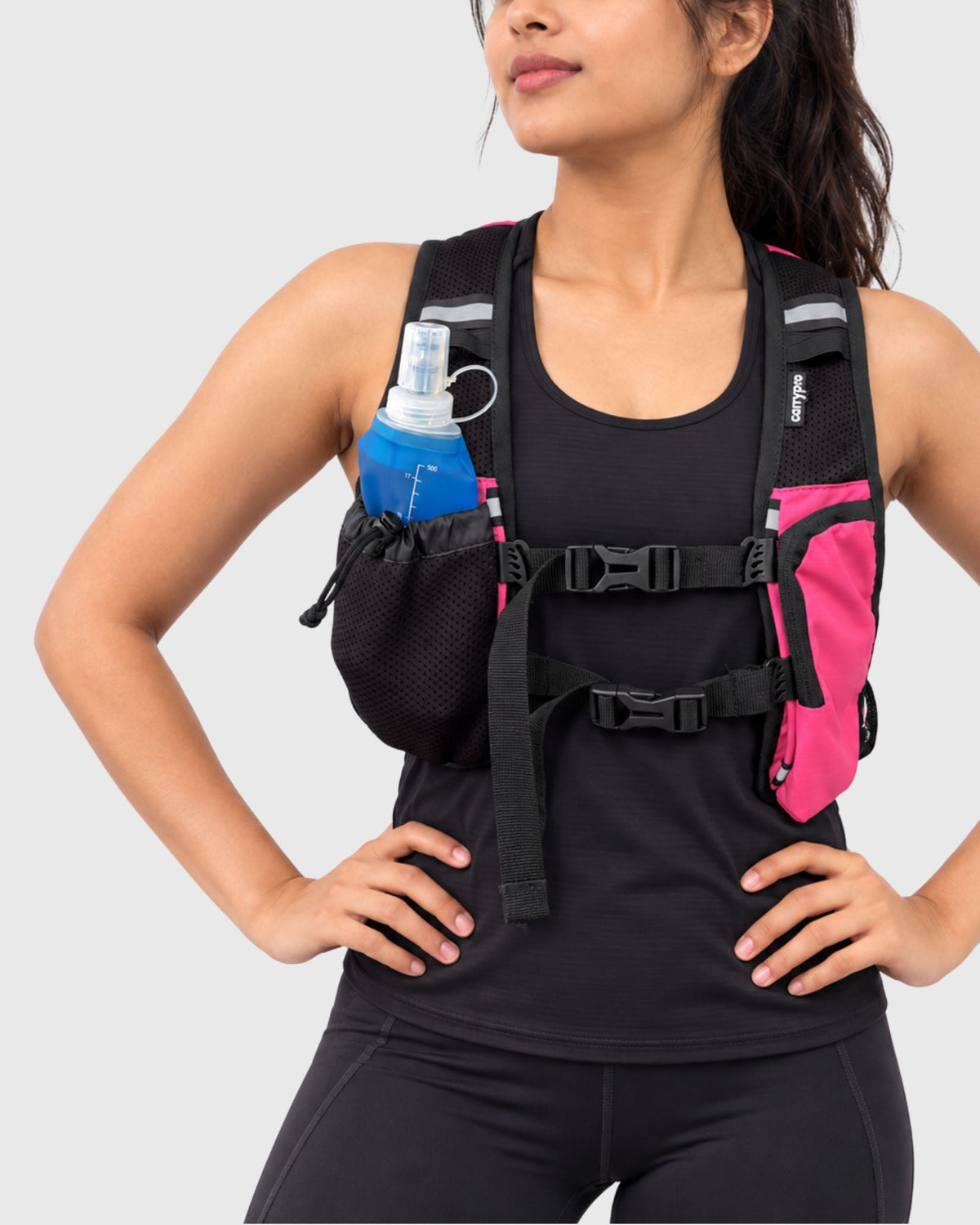
| Running hydration vest | Water, nutrition and small equipment during running | Limited room for bulky clothing and safety gear |
| Hiking daypack | Water, layers, food and day-hiking equipment | Usually bulkier than a running vest |
| General-purpose backpack | Transporting equipment to a gym or event | Not necessarily designed to remain stable during running |
When does a running vest make sense?
Consider a running vest when your load includes water and other equipment that won't fit comfortably in your clothing pockets or running belt.
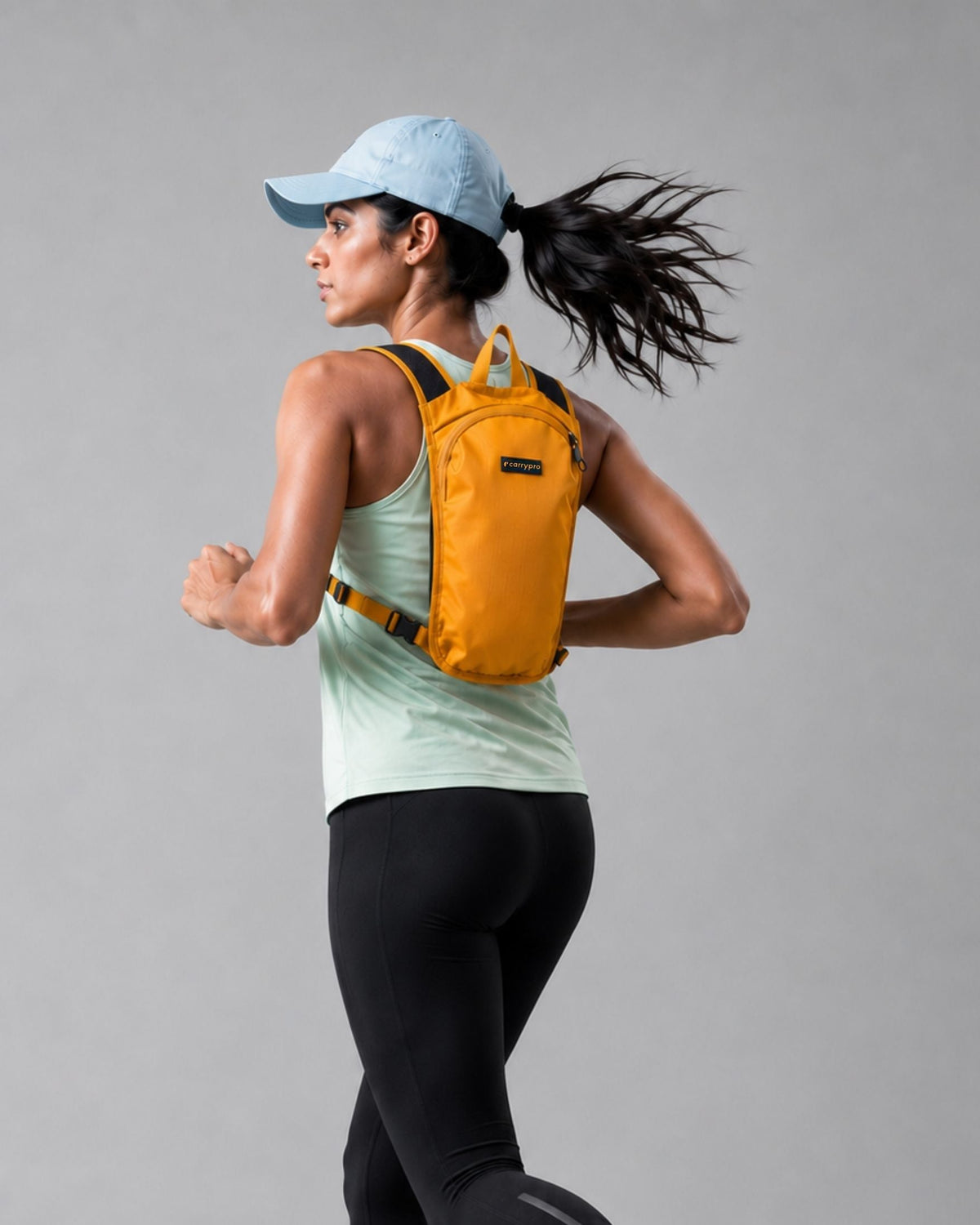
The CarryPro Sprint Running Vest (3L) is designed for running-focused carry.
Its verified specifications include:
-
3L nominal storage capacity
-
240g empty weight
-
Adjustable chest straps
-
Dedicated hydration bladder compartment
-
Front-access pockets for compatible essentials
The vest is useful to consider for unsupported long runs and appropriate trail-running sessions, provided the required equipment fits.
Check phone compatibility before purchase. Published CarryPro reviews indicate that some larger phones with cases may not fit securely in the front pocket.
For more detail on hydration containers, see CarryPro's guide to how hydration bladders work.
When should you use a hiking daypack?
A hiking backpack becomes more appropriate when you're carrying clothing, meals, first aid and additional route-specific essentials.
The CarryPro Trail Hiking Bag 15L provides:
-
15L nominal storage capacity
-
560g empty weight
-
Dedicated hydration compartment
-
Dual main compartments
-
Jacket-style shoulder straps
-
Front bungee storage and reflective detailing
The additional capacity may be useful for a day hike where a 3L running vest cannot accommodate the necessary equipment.
However, the Trail 15L should not automatically be considered suitable for every technical trek. Check the route's mandatory equipment and the actual packed load.
For detailed trekking equipment decisions, refer to CarryPro's trek packing guide for India.
What bag do HYROX athletes need?
Separate the bag used to transport training equipment from the gear worn during competition.
A HYROX athlete may need to bring training clothes, shoes, water, a towel and personal essentials to a gym or event.
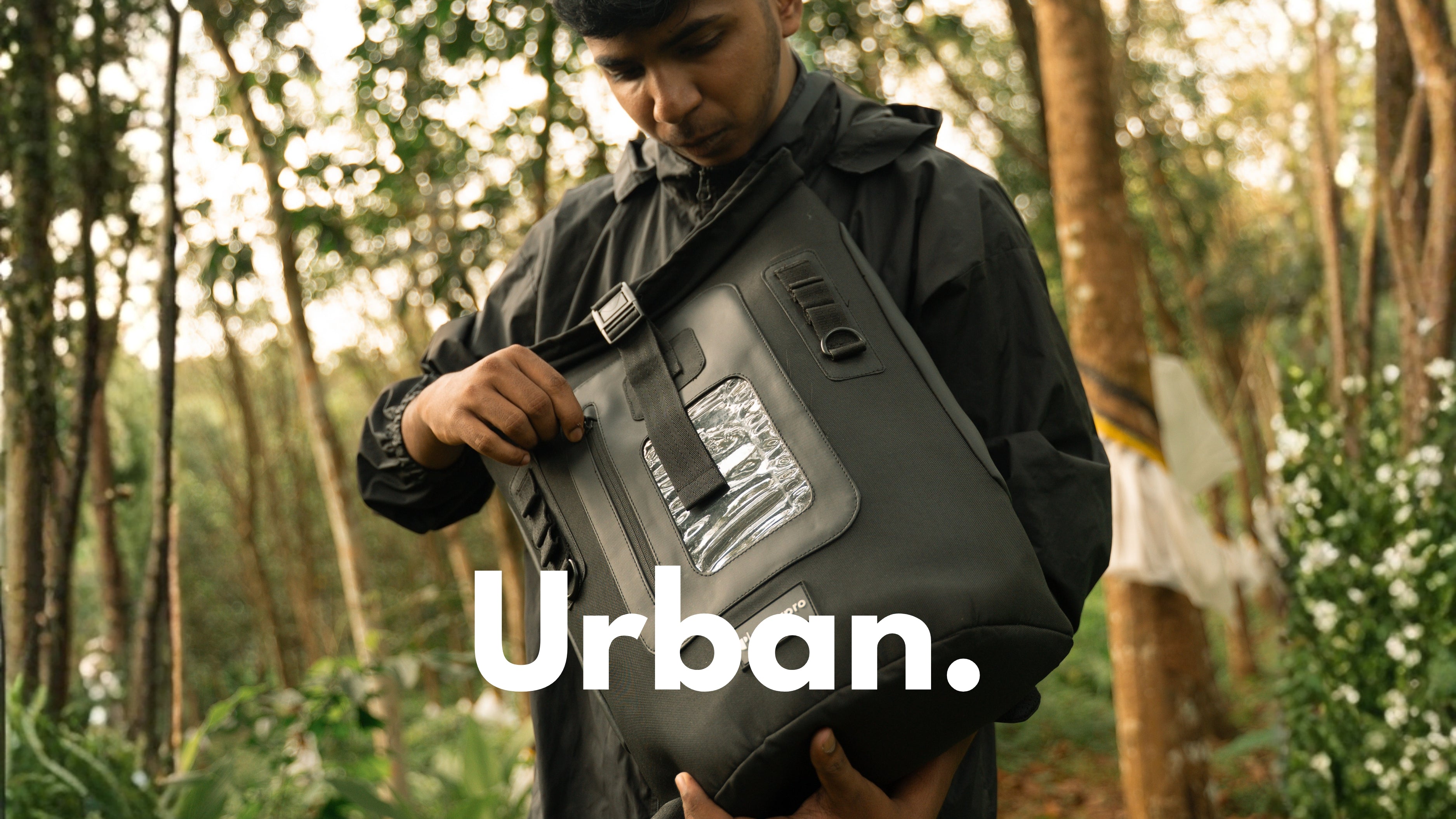
An everyday backpack such as the CarryPro LITE 15L Daypack can serve that transport role.
It should not be presented as equipment required during a HYROX race.
4. How Should Nutrition Differ for Marathon Running, Trails, Hiking and HYROX?
Nutrition should reflect exercise duration, intensity and individual tolerance rather than the activity's name alone.
For example, a three-hour marathon effort, a four-hour trail outing and a short hike don't necessarily require the same fueling strategy.
The Australian Institute of Sport provides general carbohydrate guidance for different types of exercise.
| Exercise duration and intensity | General carbohydrate guidance |
|---|---|
| Brief exercise under 45 minutes | Additional carbohydrate during exercise is generally unnecessary |
| Sustained high-intensity exercise of 45–75 minutes | Small quantities may provide benefits |
| Endurance exercise of 1–2.5 hours | Approximately 30–60g per hour |
| Longer endurance exercise | Individualized strategies may support higher intakes |
Source: Australian Institute of Sport nutrition guidance.
Marathon nutrition
A practised carbohydrate strategy becomes especially relevant during prolonged racing.
Energy gels, sports drinks and other suitable sources can help meet carbohydrate needs.
Trail-running nutrition
Duration and exertion matter more than the kilometre count alone.
Steep climbs and technical terrain can make a trail run substantially longer than a road run of comparable distance.
Carry familiar food or sports nutrition products appropriate to the effort.
Hiking nutrition
For an ordinary day hike, familiar foods and snacks may be practical.
Examples include bananas, sandwiches, nuts, dried fruit and other foods that travel safely and meet the individual's needs.
Longer or more strenuous hikes require additional meal and energy planning.
HYROX nutrition
HYROX combines running and functional exercise, so race duration and individual fueling needs matter.
Most importantly, the official rules require athletes who want to carry their own nutrition to have it on their person from the start.
Practise your nutrition plan during comparable training sessions rather than introducing unfamiliar products on race day.
5. Five Questions to Ask Before Buying Gear for Multiple Sports
Buying separate equipment for every activity can become expensive, especially when you're just starting to participate in different events.
Before upgrading, ask:
-
Does the equipment suit the surface? Road shoes may work in a gym, but technical trails can demand a different outsole.
-
Does it allow the required movement? HYROX includes loaded exercises and directional changes that aren't part of continuous road running.
-
Does it carry everything necessary? A hydration vest may suit running but lack space for essential hiking layers and safety equipment.
-
Can it handle the conditions? Rain, heat, exposed terrain and changing temperatures affect both clothing and equipment.
-
Have I tested it in the intended activity? Familiar gear should perform comfortably under realistic loads and movement.
The best multi-sport purchase is one that meets the actual requirements of more than one activity, not simply a product marketed for several sports.
6. Which Gear Should You Reuse and Which Should You Upgrade?
Use the following scenarios to assess your existing kit.
| Your situation | What to retain | What to reassess |
|---|---|---|
| Road runner trying HYROX | Suitable running clothing, socks and potentially shoes | Footwear stability and grip during workout stations |
| Marathon runner trying trail running | Clothing, compatible hydration equipment | Shoes, weather protection, navigation and safety gear |
| Trail runner starting day hikes | Suitable trail footwear, hydration system | Backpack capacity, carried layers and emergency equipment |
| Hiker starting trail running | Some apparel and suitable footwear | Pack stability, running-specific fit and accessible storage |
For anyone alternating between running and hiking, compatible hydration equipment may be especially practical.
A single CarryPro 2L Hydration Bladder can be used with appropriately compatible running or hiking packs.
Check the compartment dimensions and hose routing rather than assuming compatibility with every backpack.
Final Verdict: Choose Equipment for the Activity, Not the Label
Marathon running prioritizes sustained comfort, familiar nutrition and efficient access to essentials.
Trail running adds terrain-specific traction, navigation and more independent preparation.
Hiking often requires additional storage for clothing, food and safety equipment.
HYROX combines running with functional strength movements, placing different demands on footwear and equipment.
Some running gear can work across these activities, particularly clothing and compatible hydration accessories. Footwear, backpacks and activity-specific safety equipment need more careful evaluation.
For runners and outdoor enthusiasts comparing carrying options, CarryPro's running collection provides belts, hydration vests and related accessories.
Choose what fits your actual training or route requirements rather than purchasing a separate bag for every sport.
Frequently Asked Questions
Can I use marathon running shoes for HYROX?
Possibly. Road-running shoes may work if they provide sufficient grip and stability for workout stations. Test your shoes during sled movements, lunges and running before using them in competition.
Can I use trail running shoes for hiking?
Yes, trail-running shoes can be suitable for many lighter hikes. More demanding terrain, heavy equipment loads or severe weather may justify more protective hiking footwear.
Is a running hydration vest suitable for hiking?
A hydration vest can work for lighter hikes when its storage capacity accommodates all necessary equipment. Longer or more demanding outings may require a larger backpack.
Do HYROX athletes need hydration vests?
Not necessarily. HYROX provides drinking water during races. Personal hydration equipment is subject to the applicable rulebook and event-specific instructions.
What gear can marathon and trail runners share?
Running clothing, suitable hydration systems and smaller accessories may work across both activities. Footwear and additional safety equipment should be selected according to the terrain and conditions.
Should I buy separate backpacks for running and hiking?
Not always. A small, stable running vest may be sufficient for some lightweight outdoor activities. If hiking requires considerably more clothing, food or safety equipment, a dedicated daypack is more appropriate.