



Best running collection
Running Collection
Running gear for Indian runners who want to carry a phone, keys, gels and water without bounce, chafe or a bag that shifts around. A good running setup keeps your hands free and your essentials still, whether you run 5k on tarmac before work, log long weekend miles, or head into the hills for a trail. The Sprint Running Vest 3L carries water and soft flasks close to your body. The Pro Running Belt holds a phone and keys flat against your waist. The Hydration Bladder 2L drops into a vest or pack so you sip on the move. Match the carry to the distance and you stop thinking about your gear and start thinking about the run.
Carry Your Essentials, Not the Bounce
The single biggest complaint runners have is bounce. A bag that jumps around wastes energy, distracts you, and chafes over long distances. Every piece here is built to sit flat and move with you.
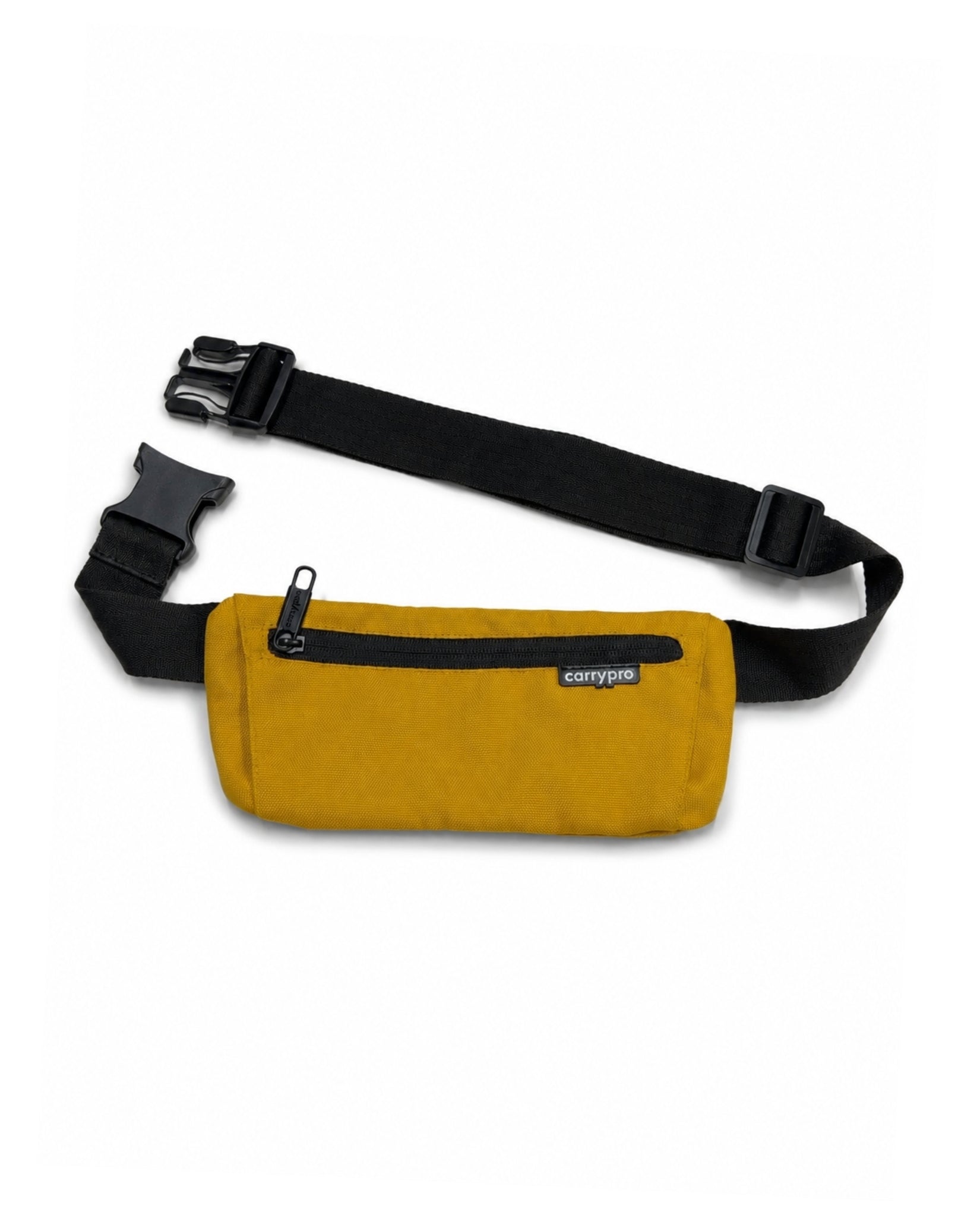
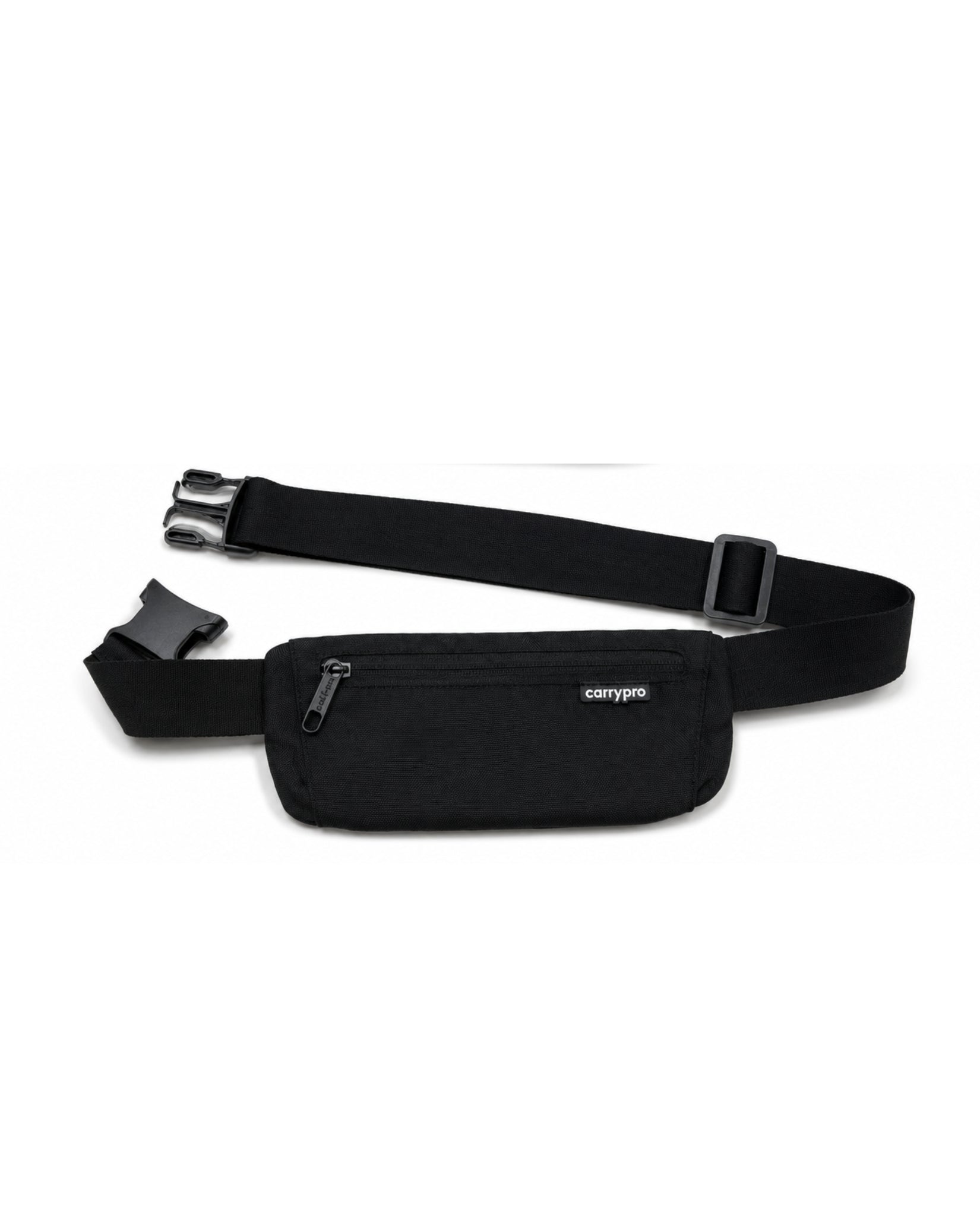
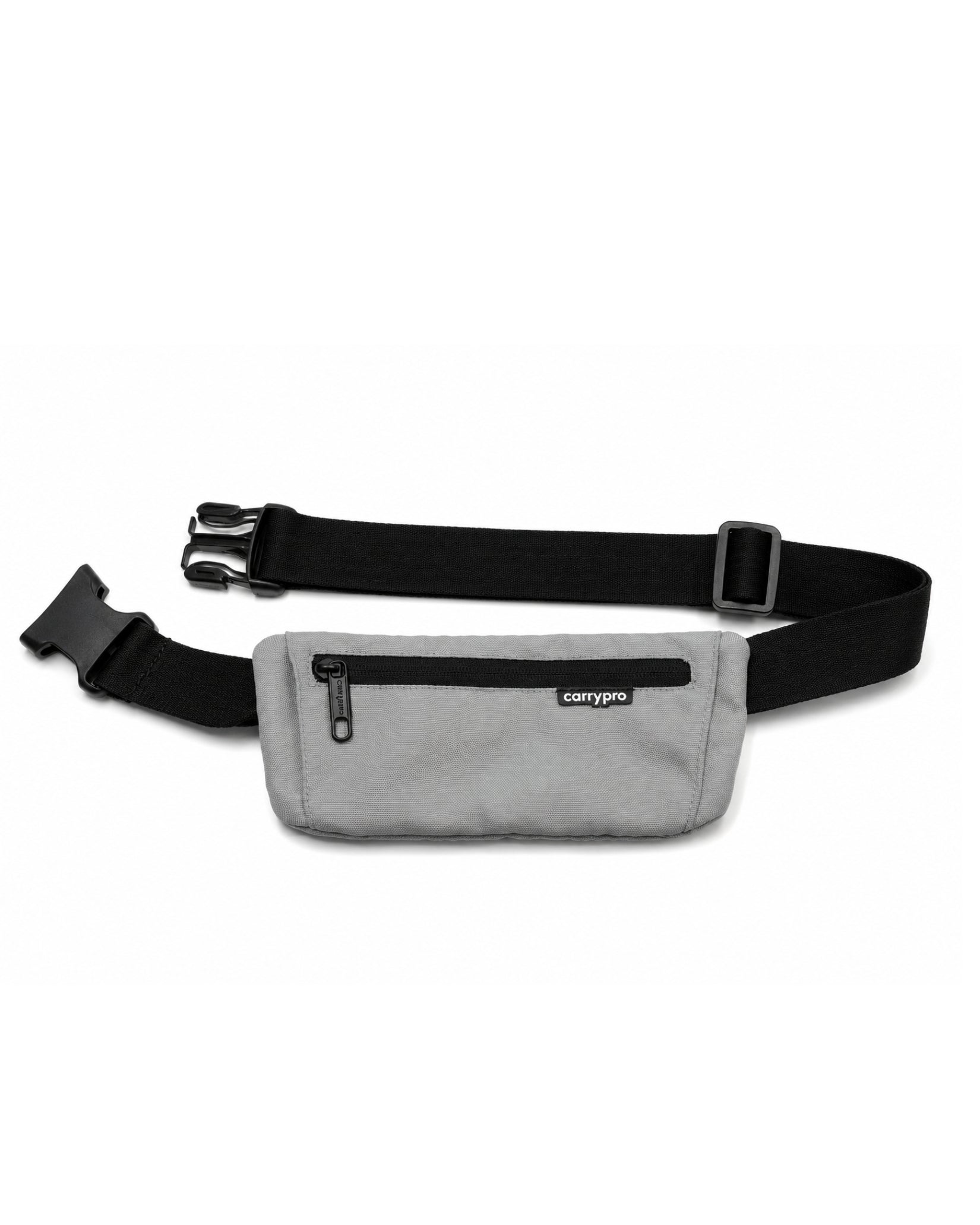
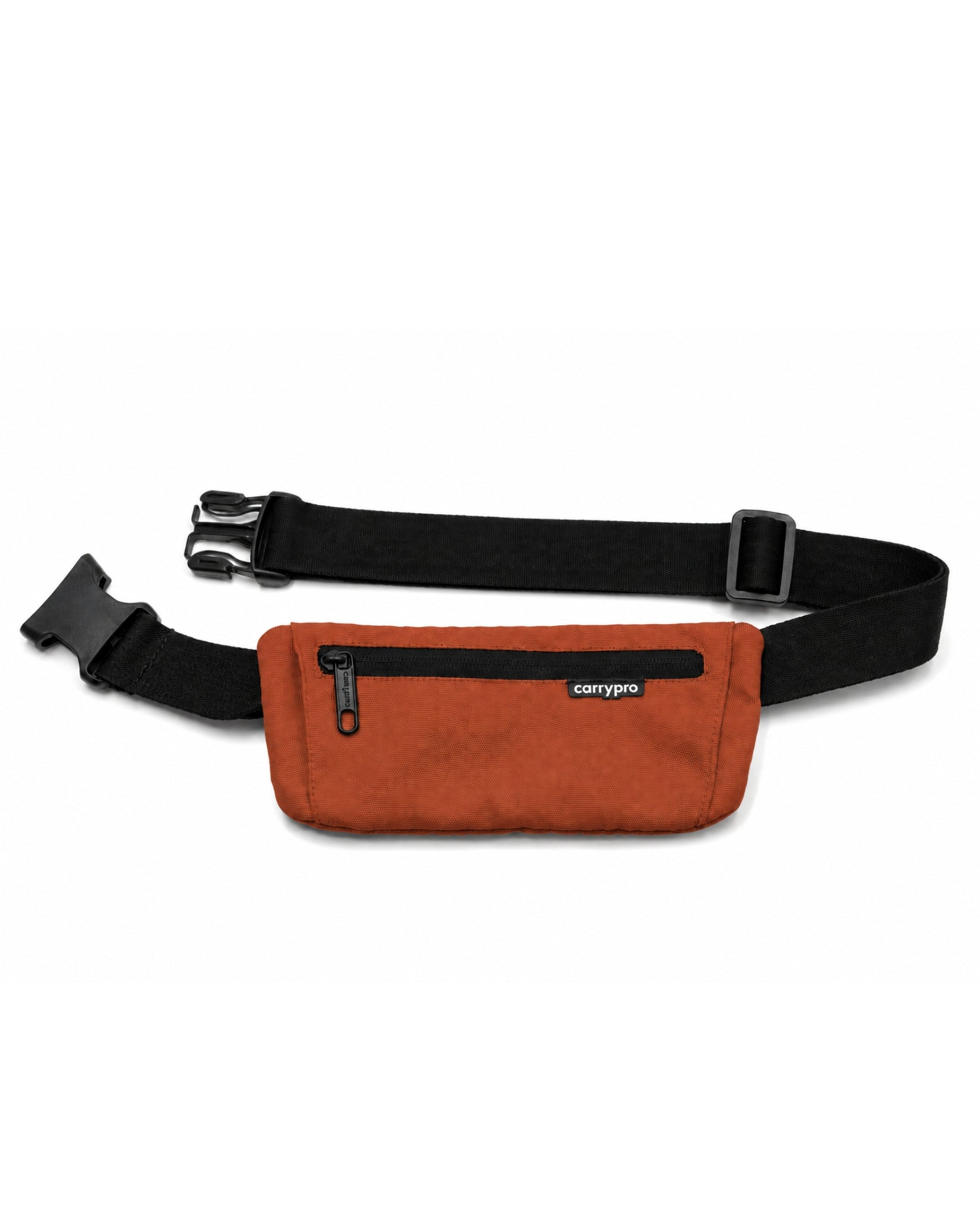
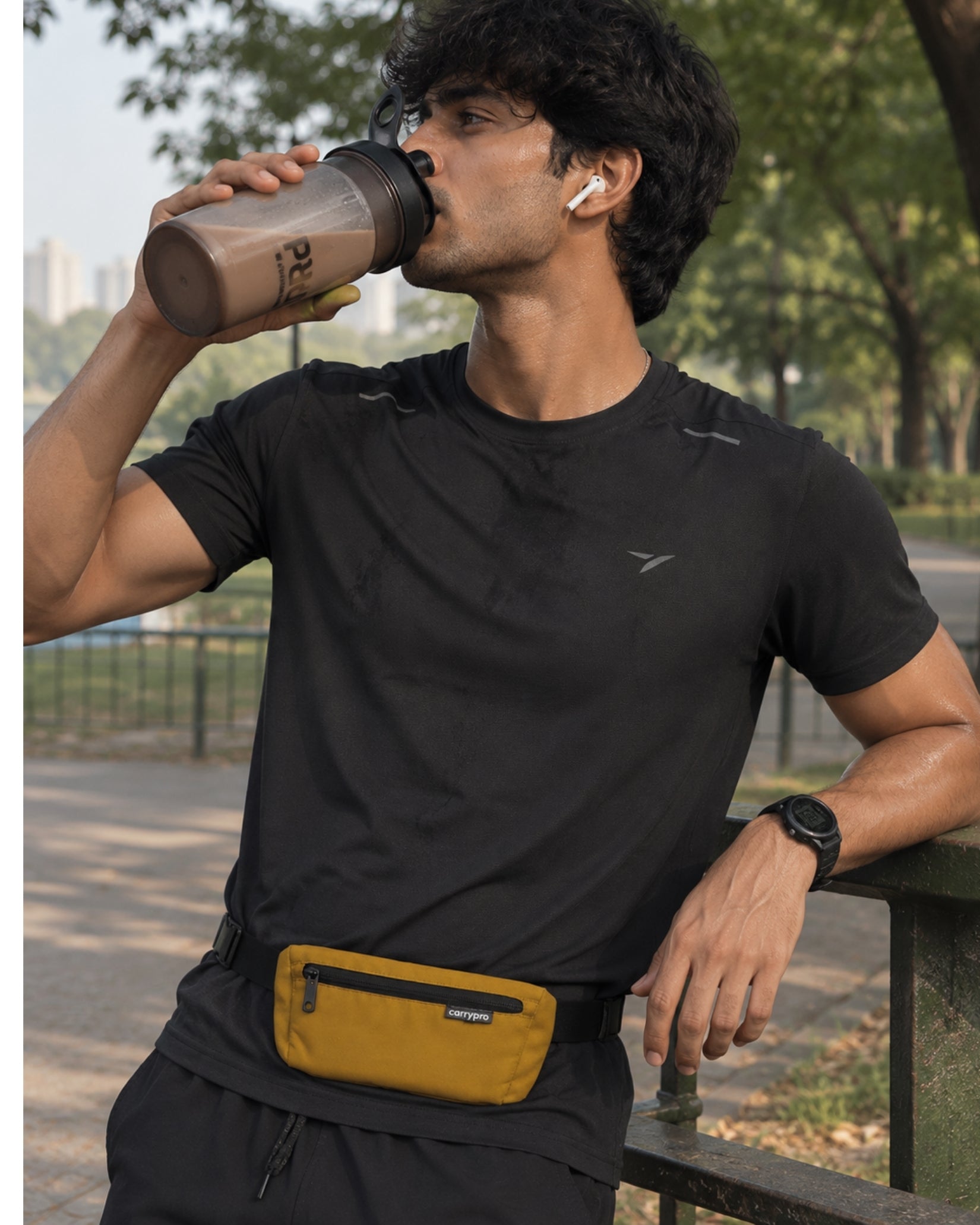
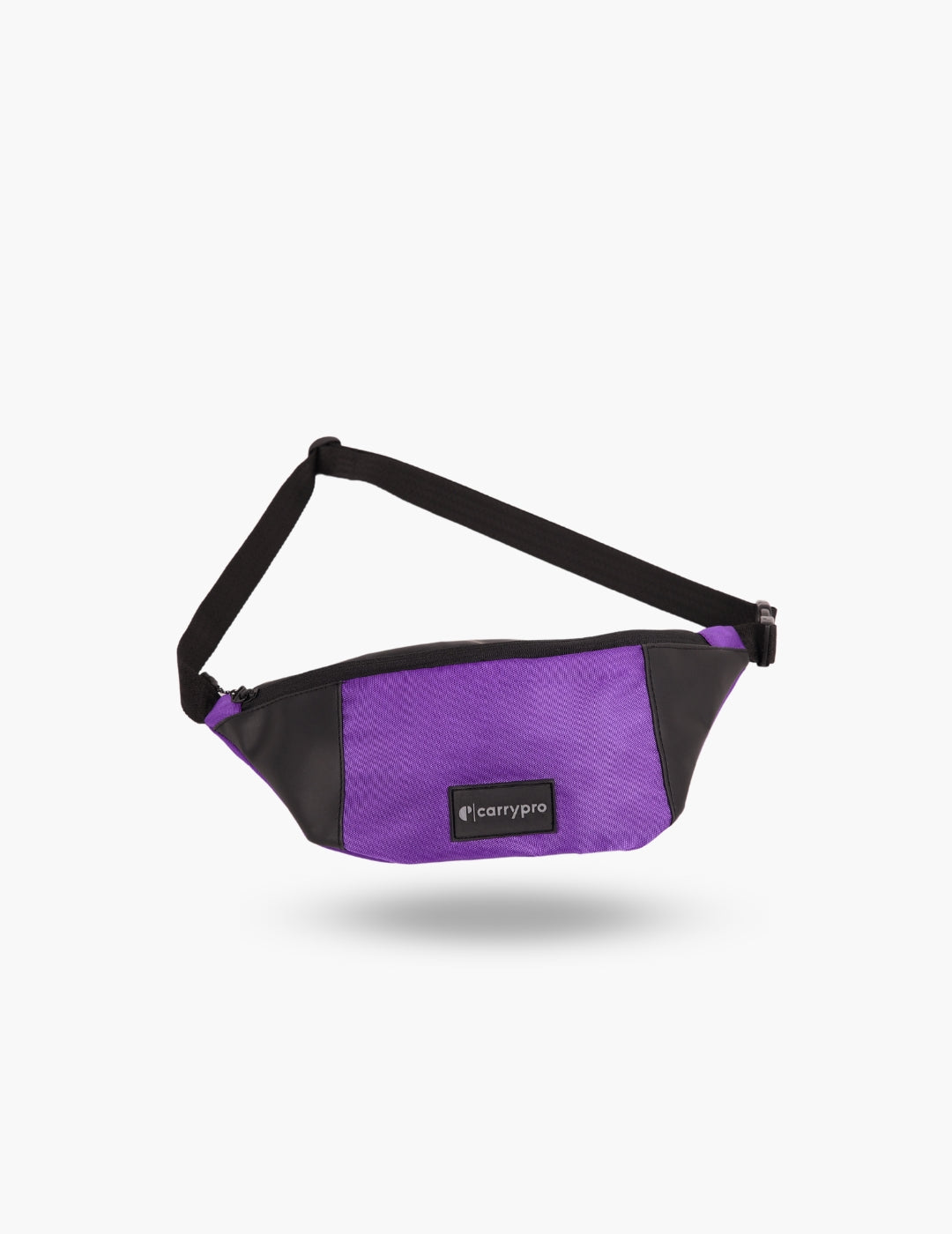
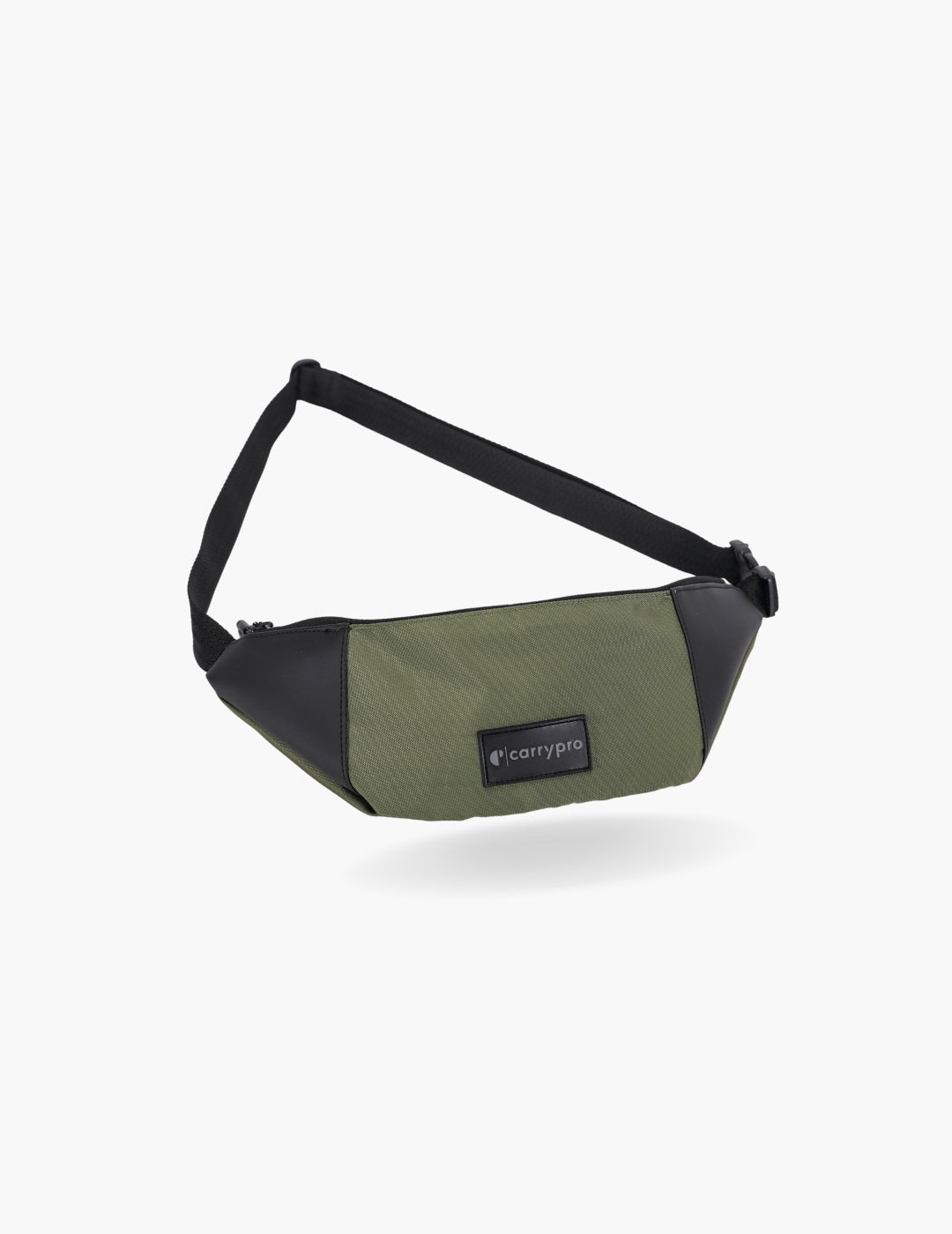
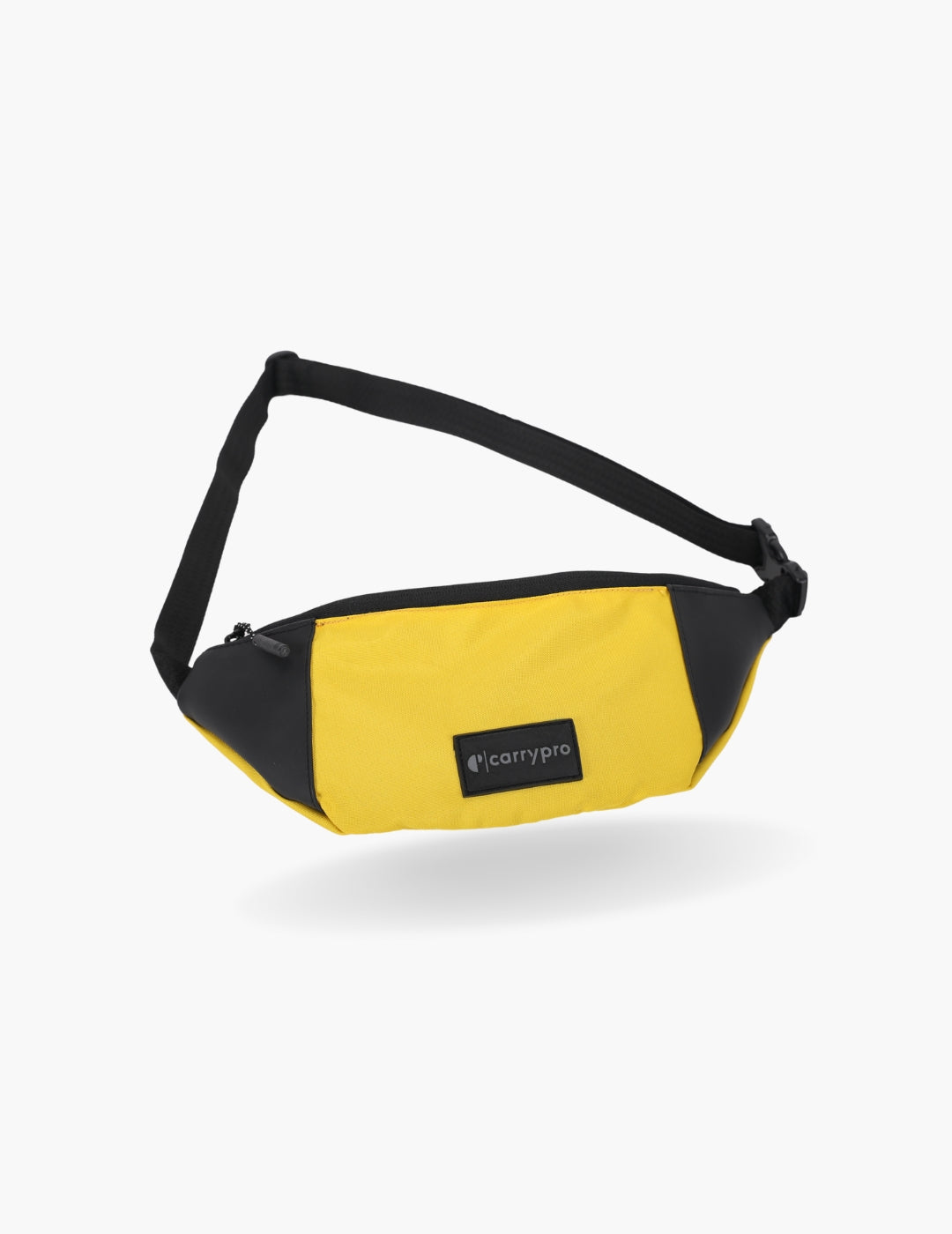
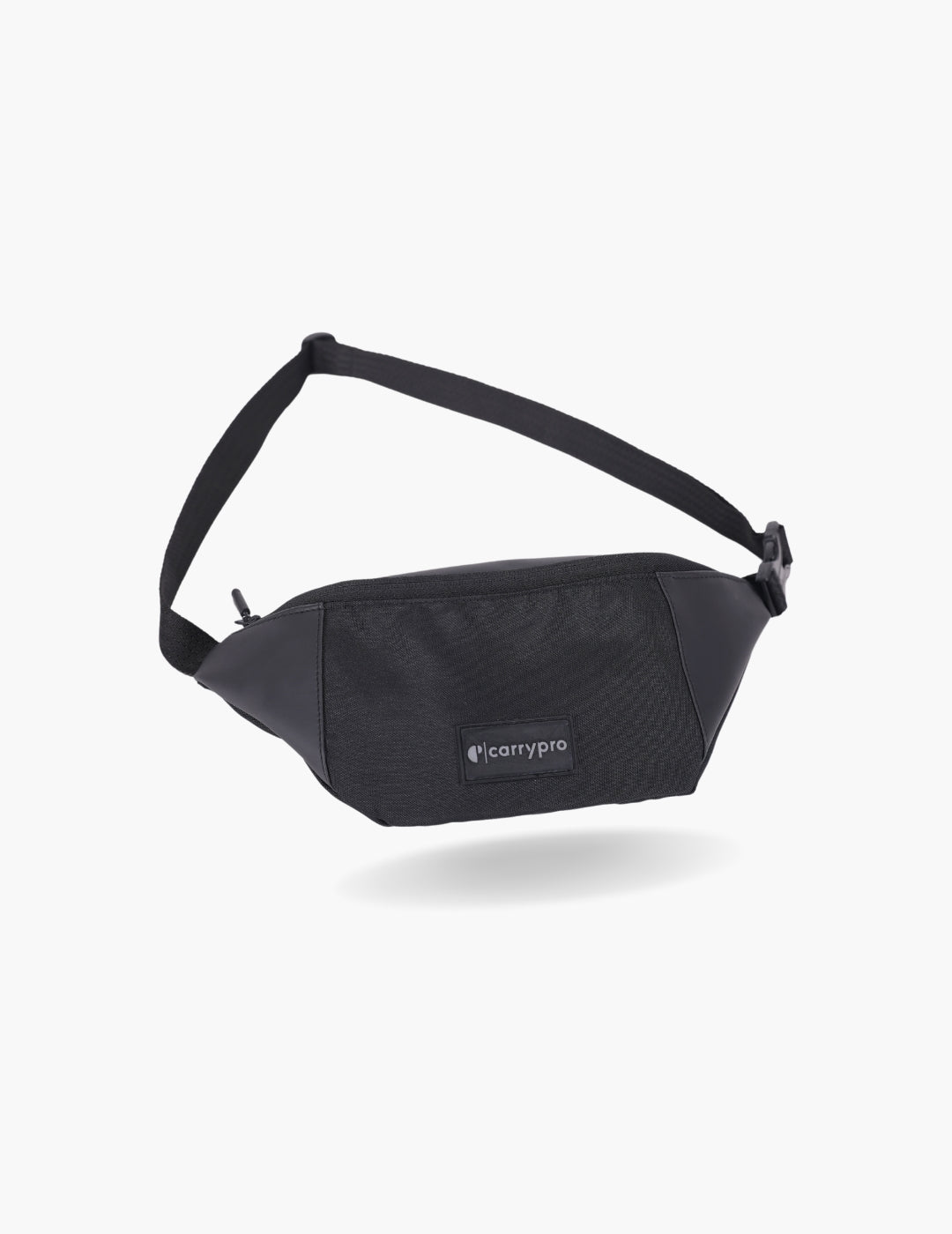
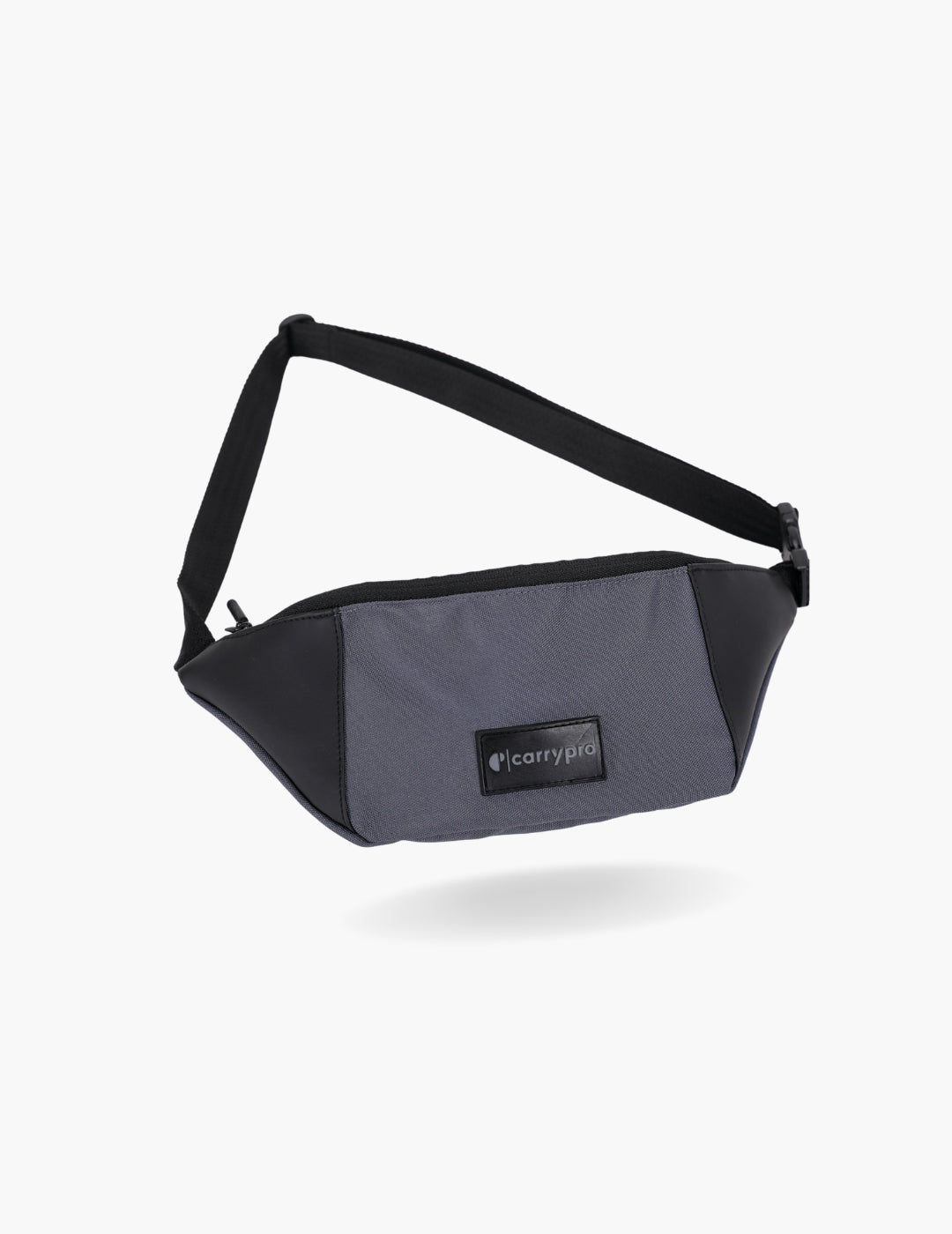
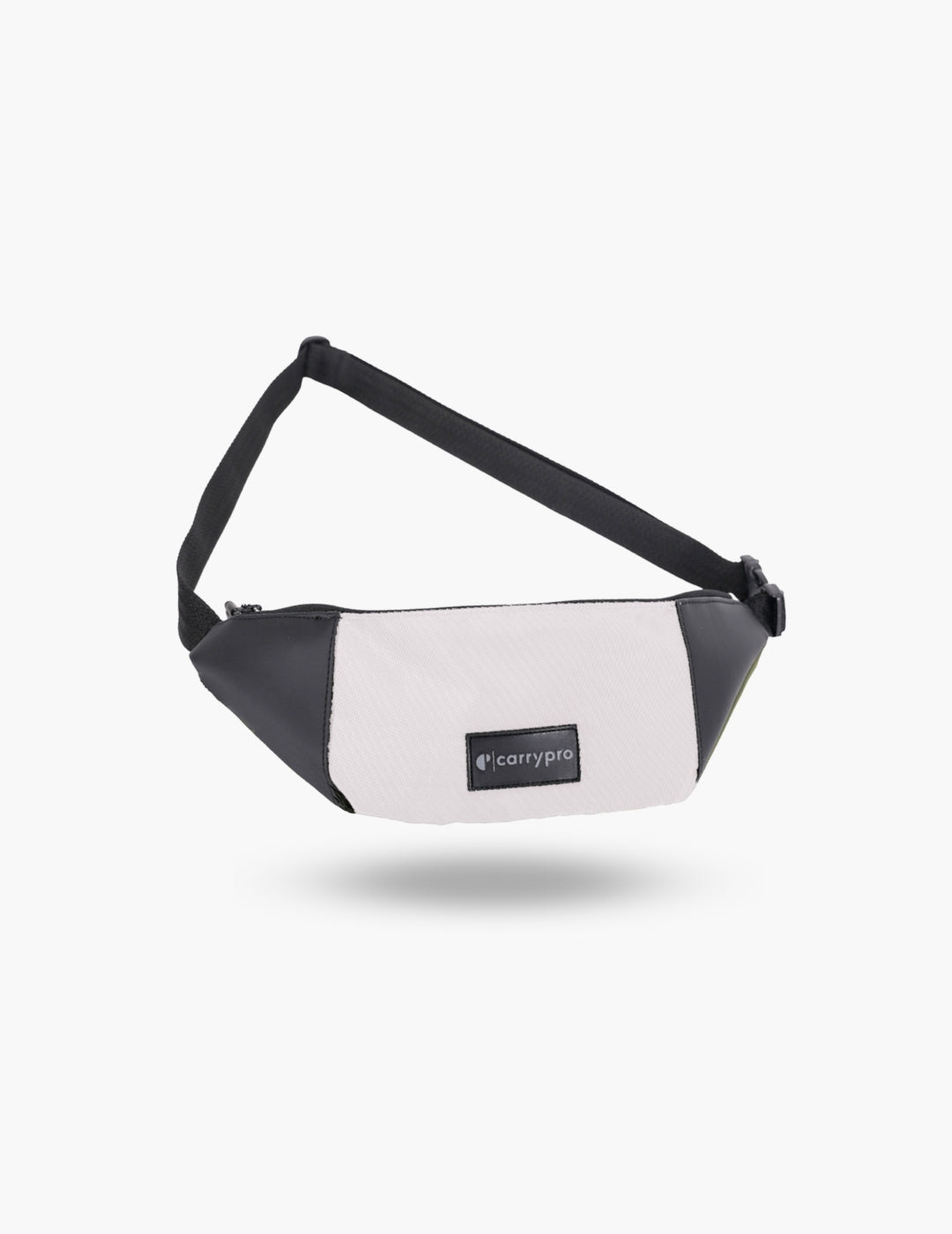
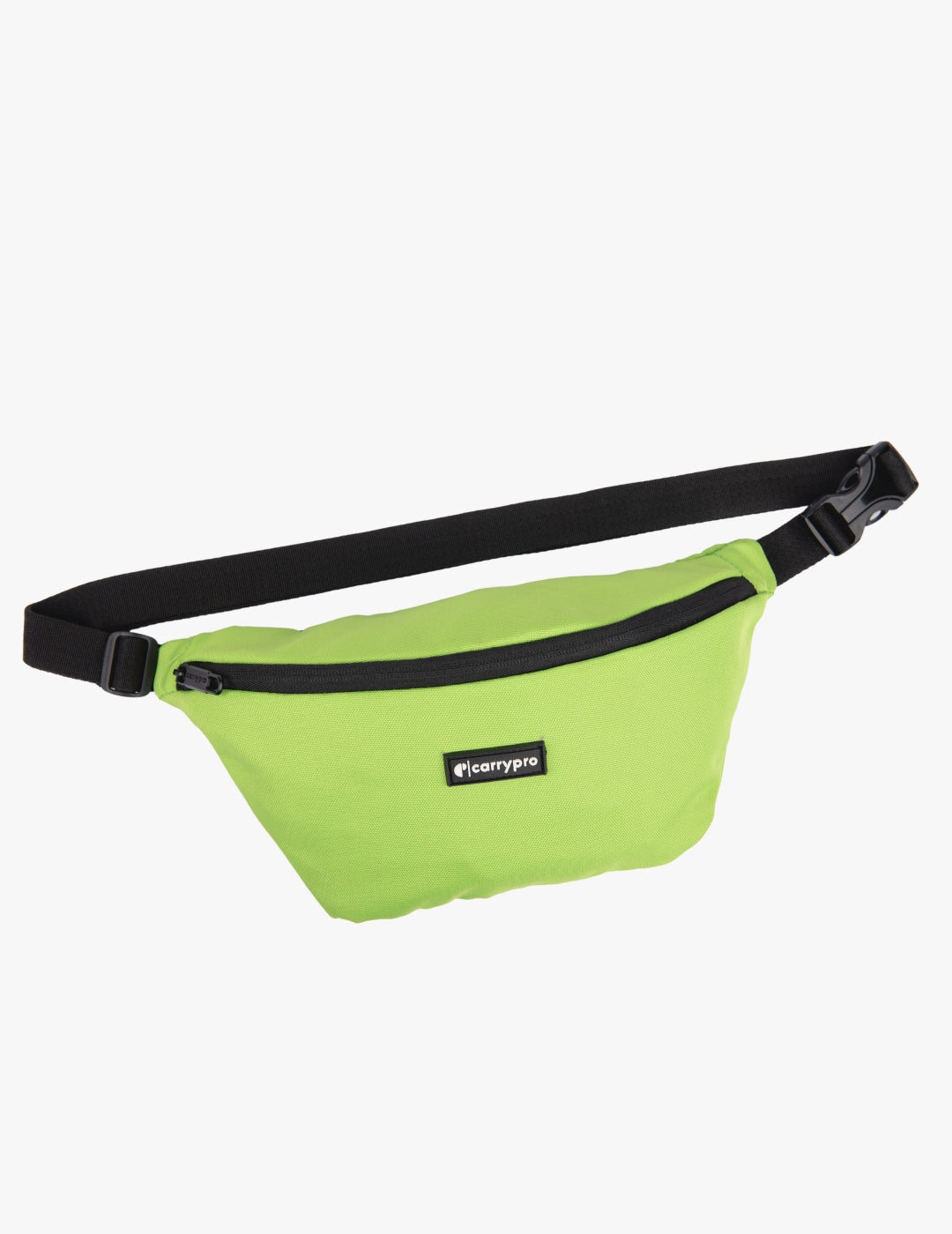
Short Runs: The Pro Running Belt
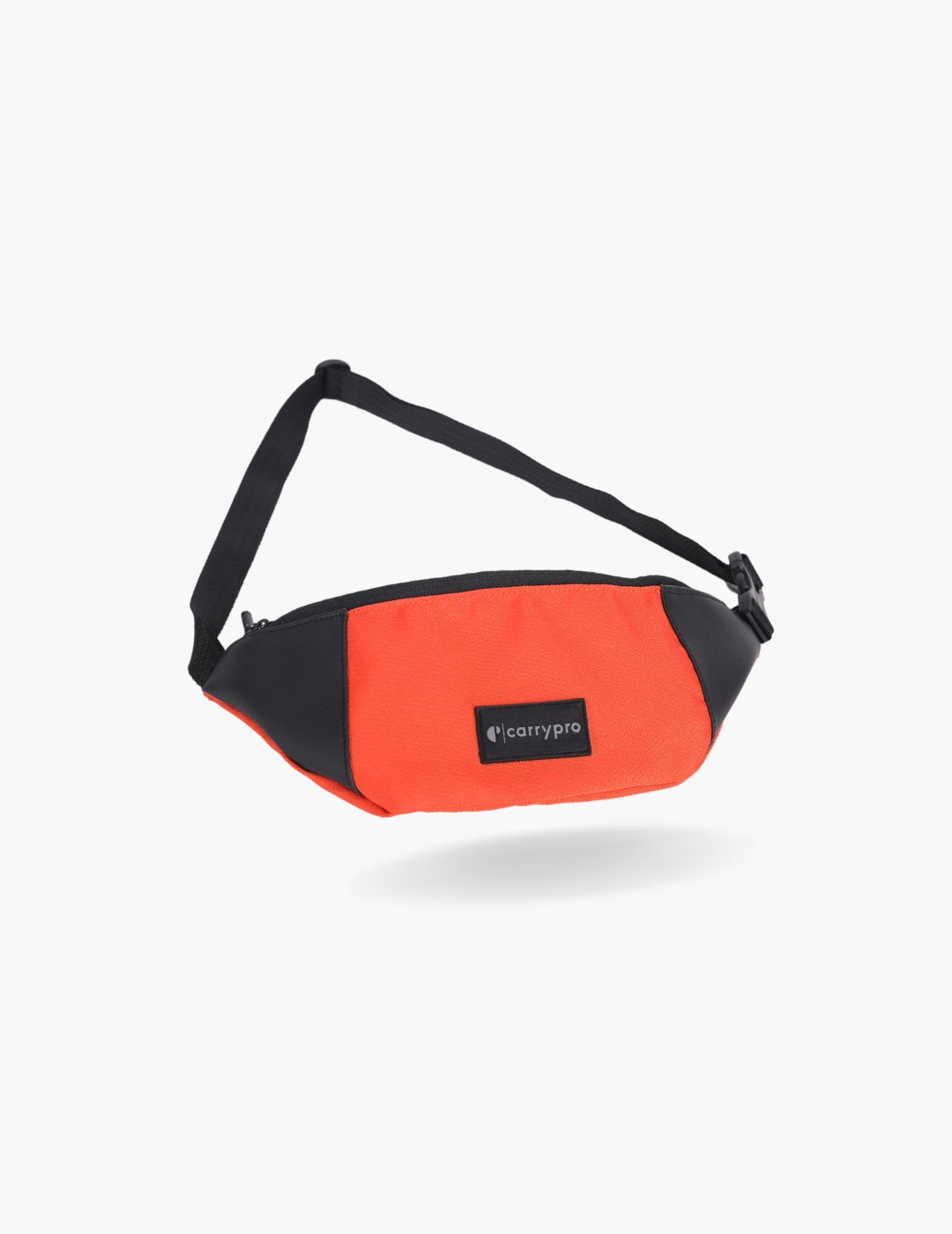
For a 5k or a daily loop, a phone and a key are all you carry. The Pro Running Belt sits flat against your waist and holds both without swing. No armband slipping down your arm, no phone in a sweaty hand. Slide it on, tuck your essentials in the zip pocket, and forget it is there. It works for runs, walks, gym sessions and travel days when you want your passport and phone secure and close.
Long Runs: The Sprint Running Vest 3L
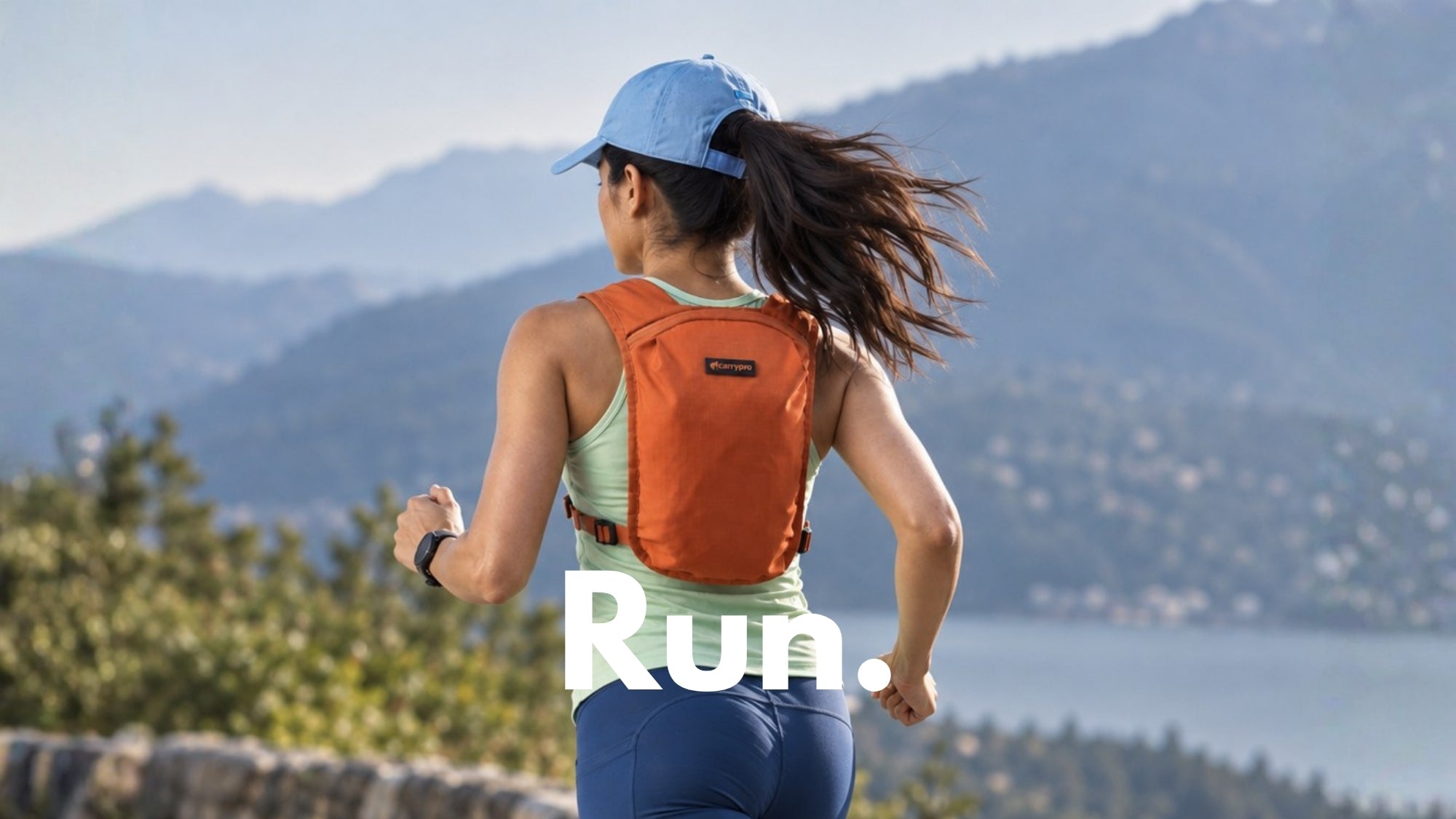
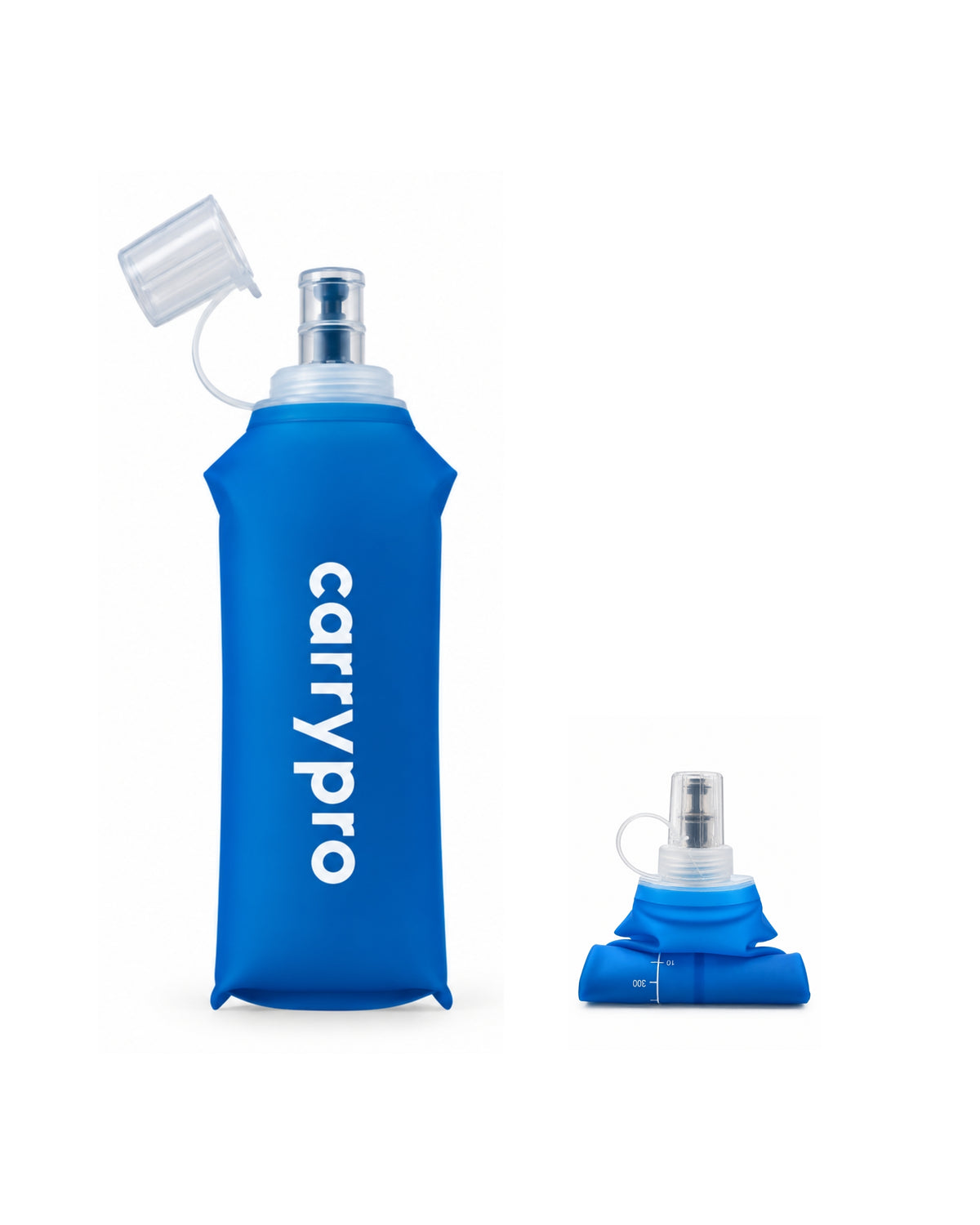
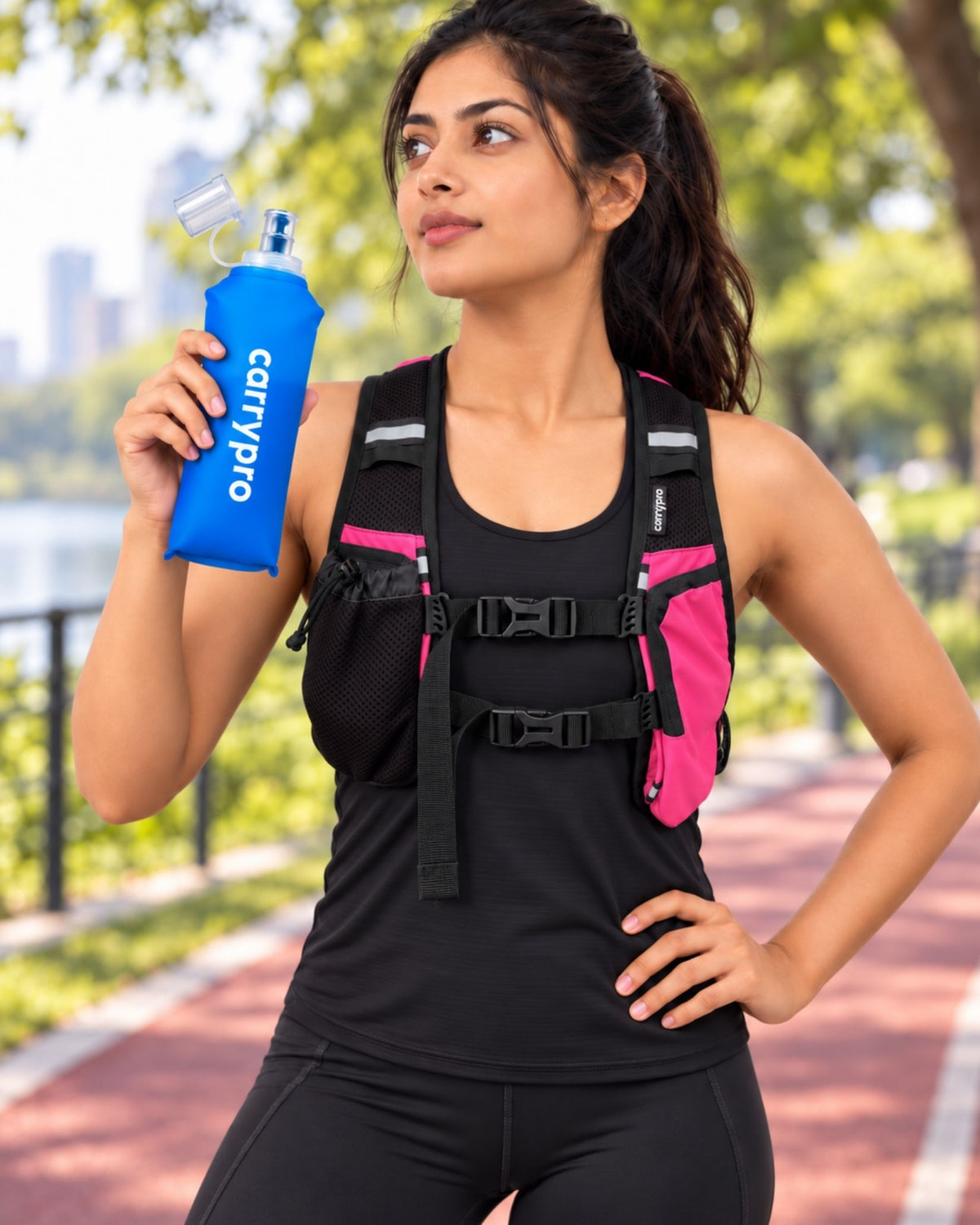
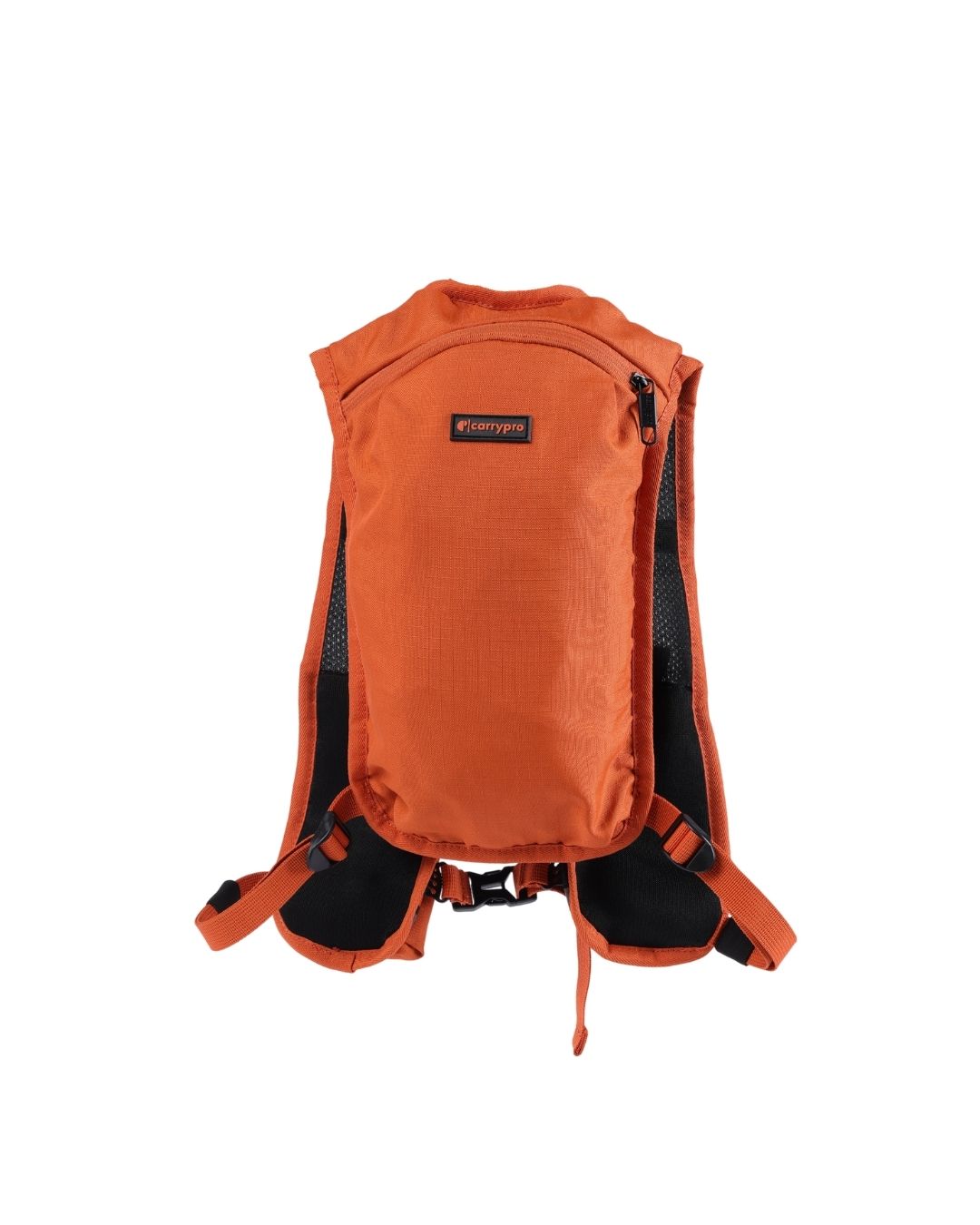
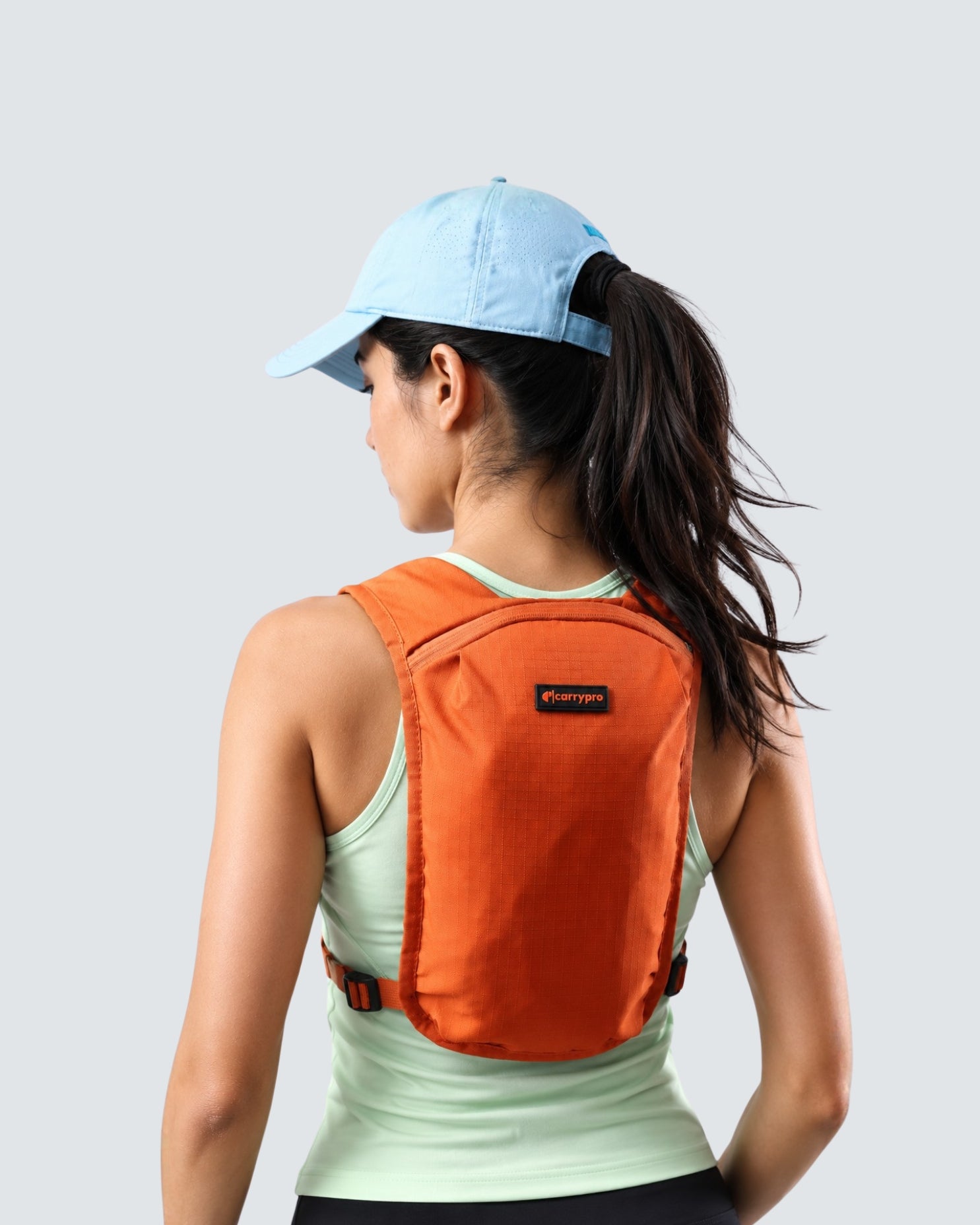
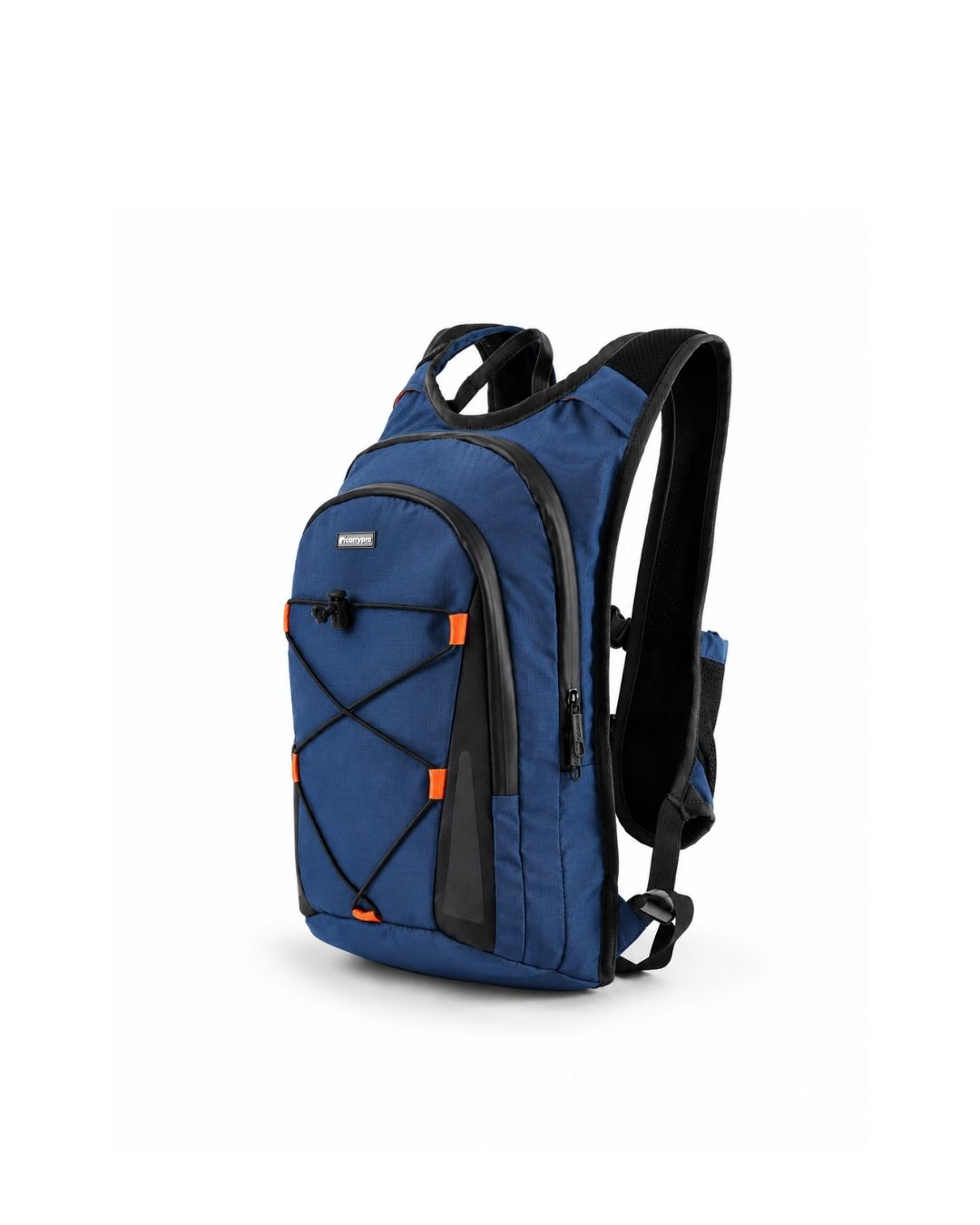
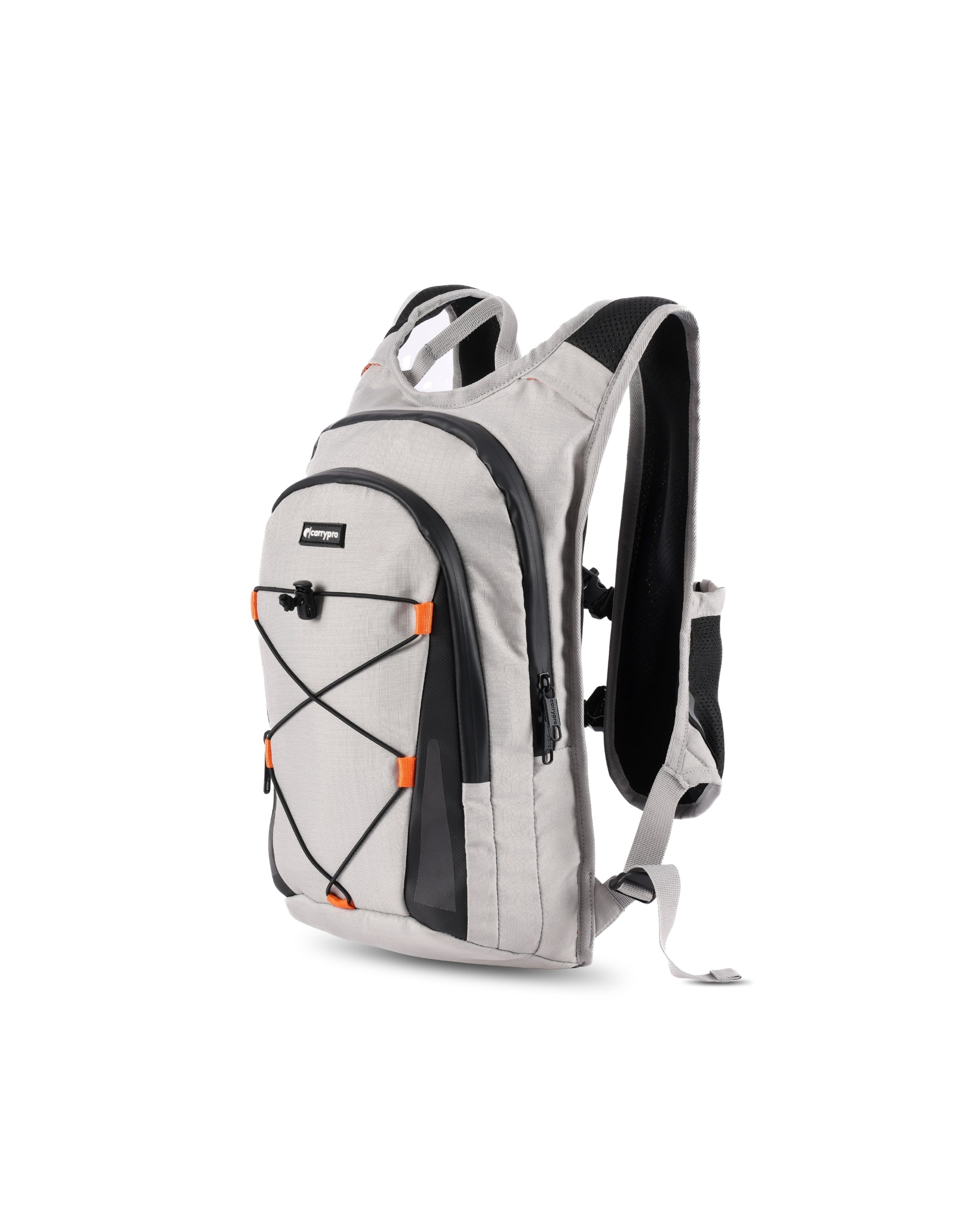
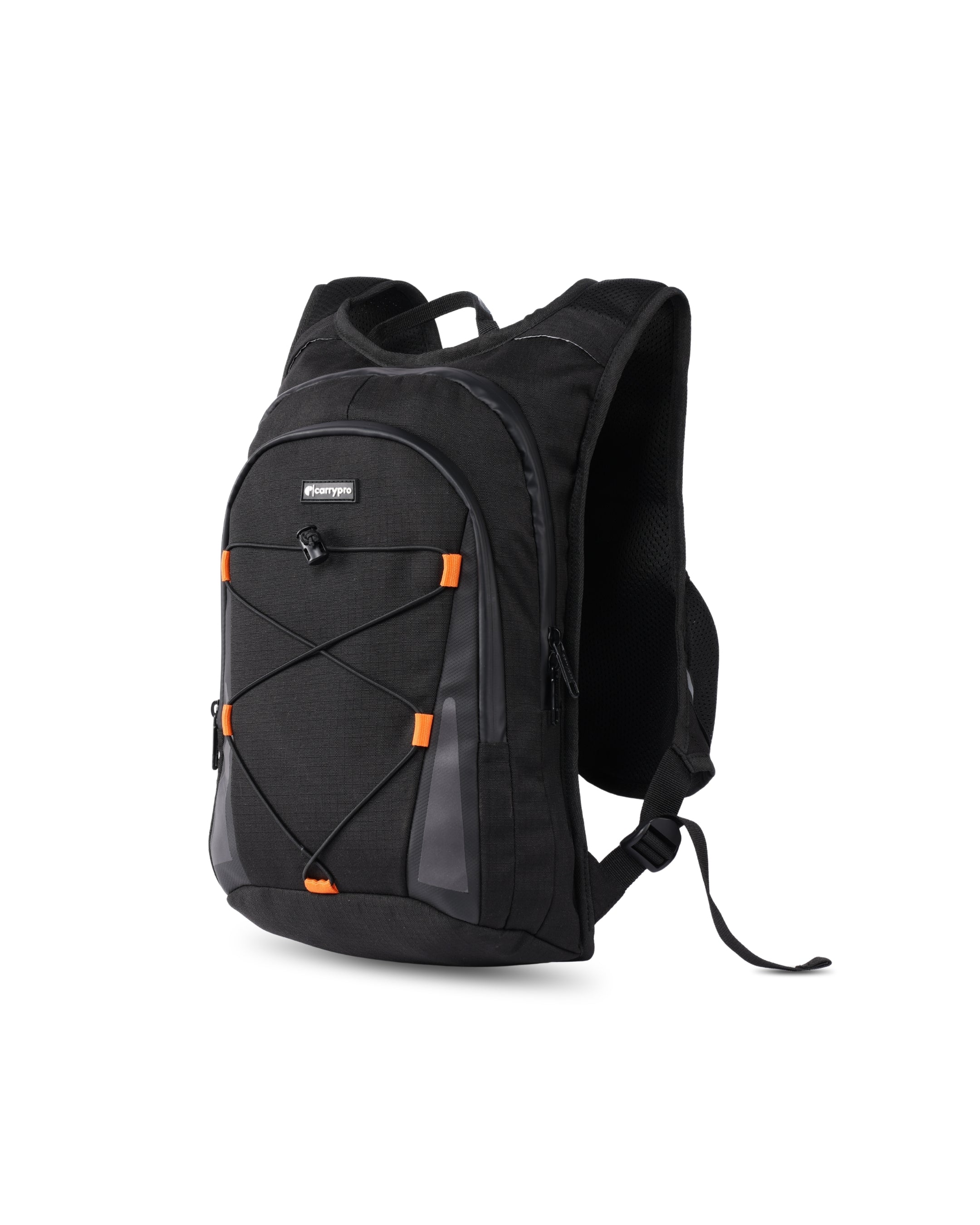
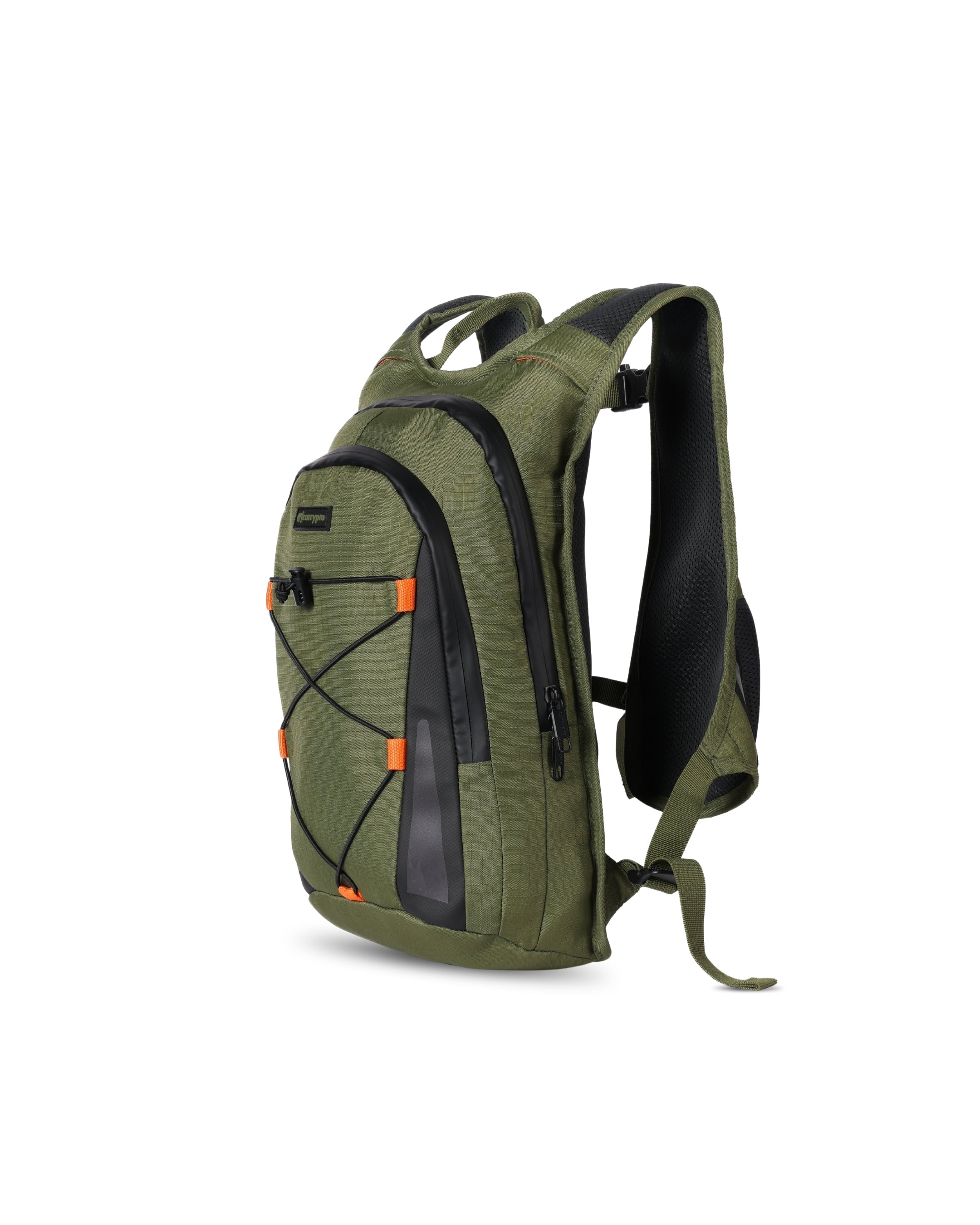
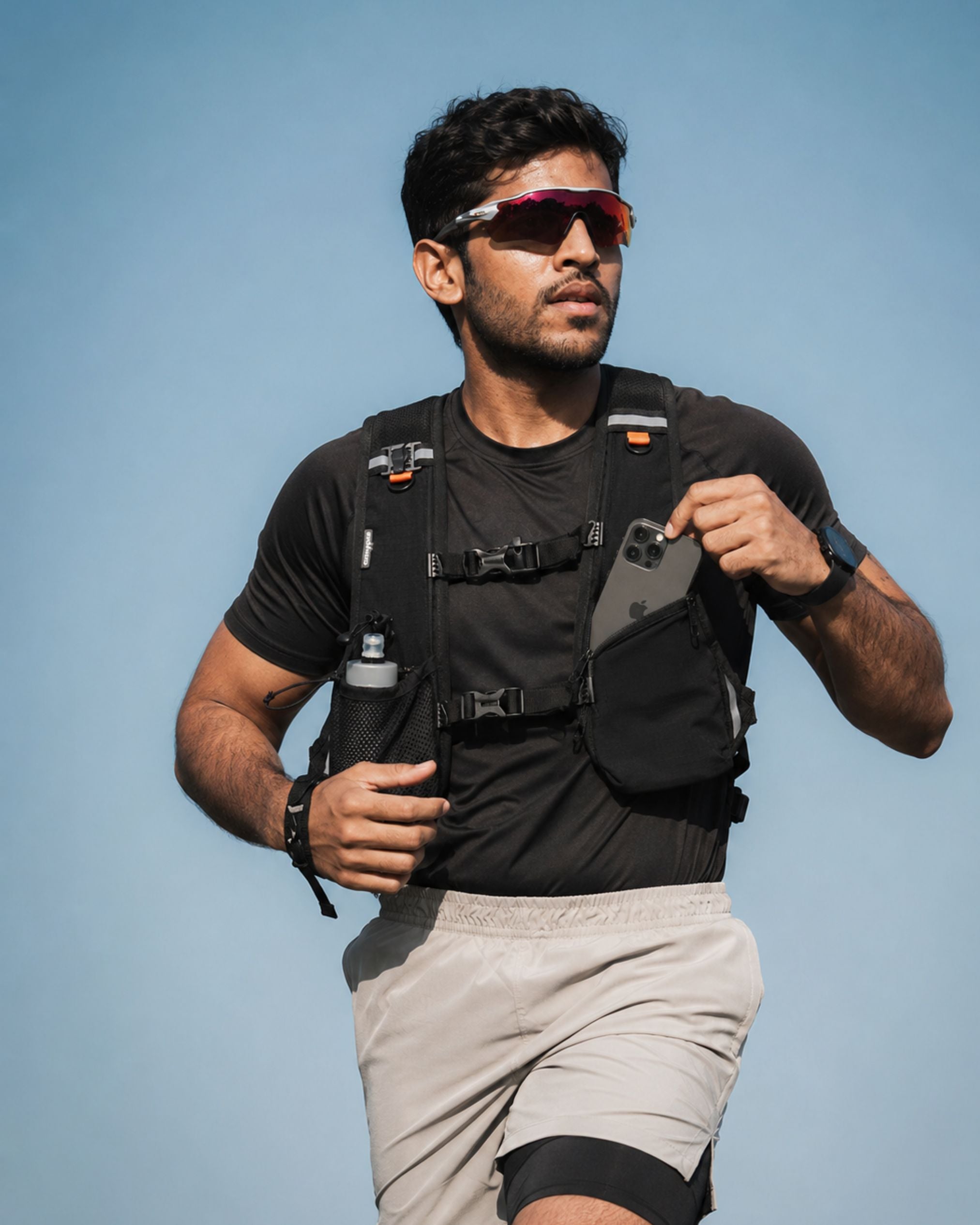
Once you cross an hour, you need water, fuel and a layer. The Sprint Running Vest 3L spreads that load across your chest and back so nothing swings. Soft-flask pockets sit on the front for quick sips, and the main pocket takes a light shell or a few gels. Runners already searching for a running hydration vest land here because the vest carries the way a belt cannot once distances get long.
Water on the Move: The Hydration Bladder 2L
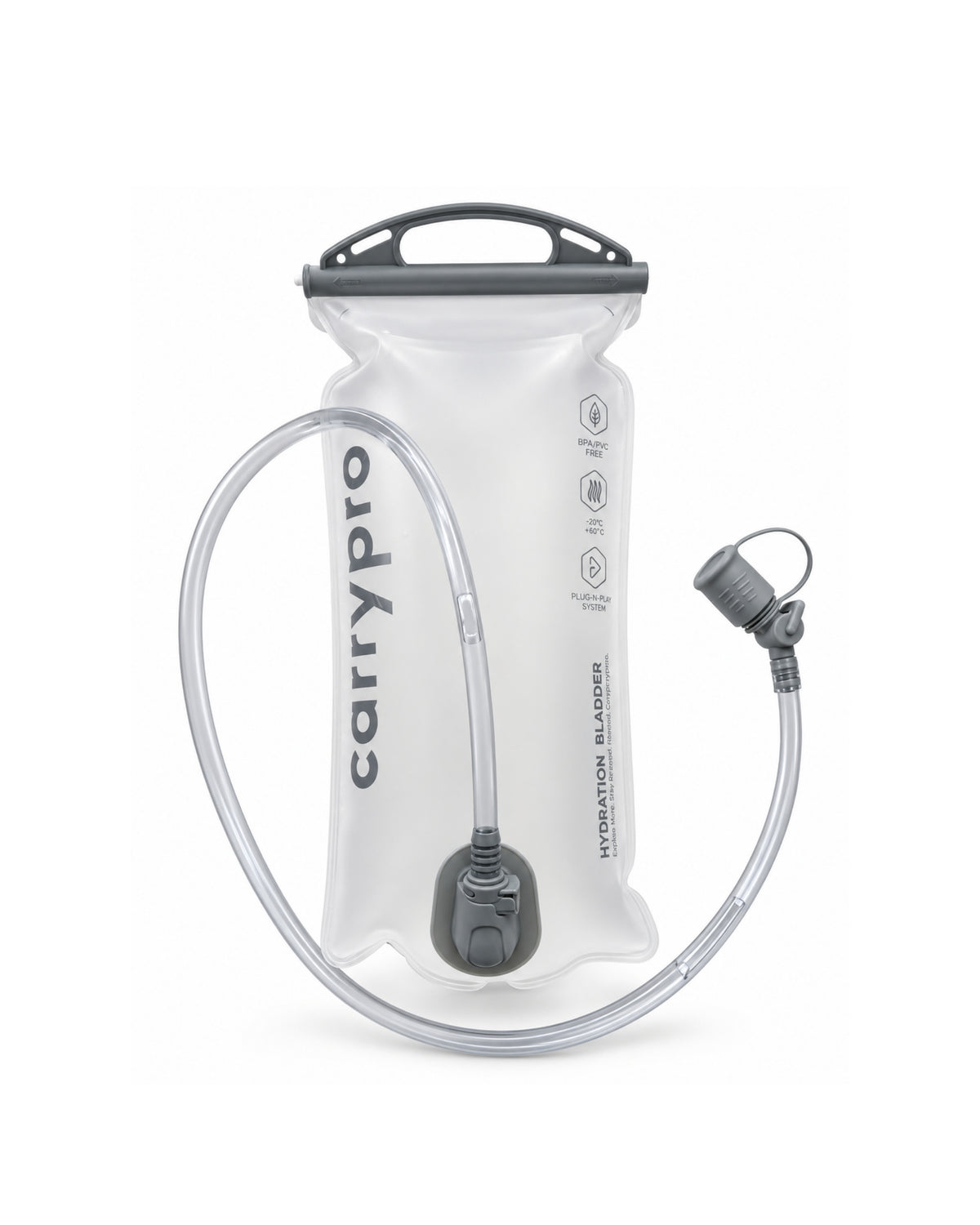
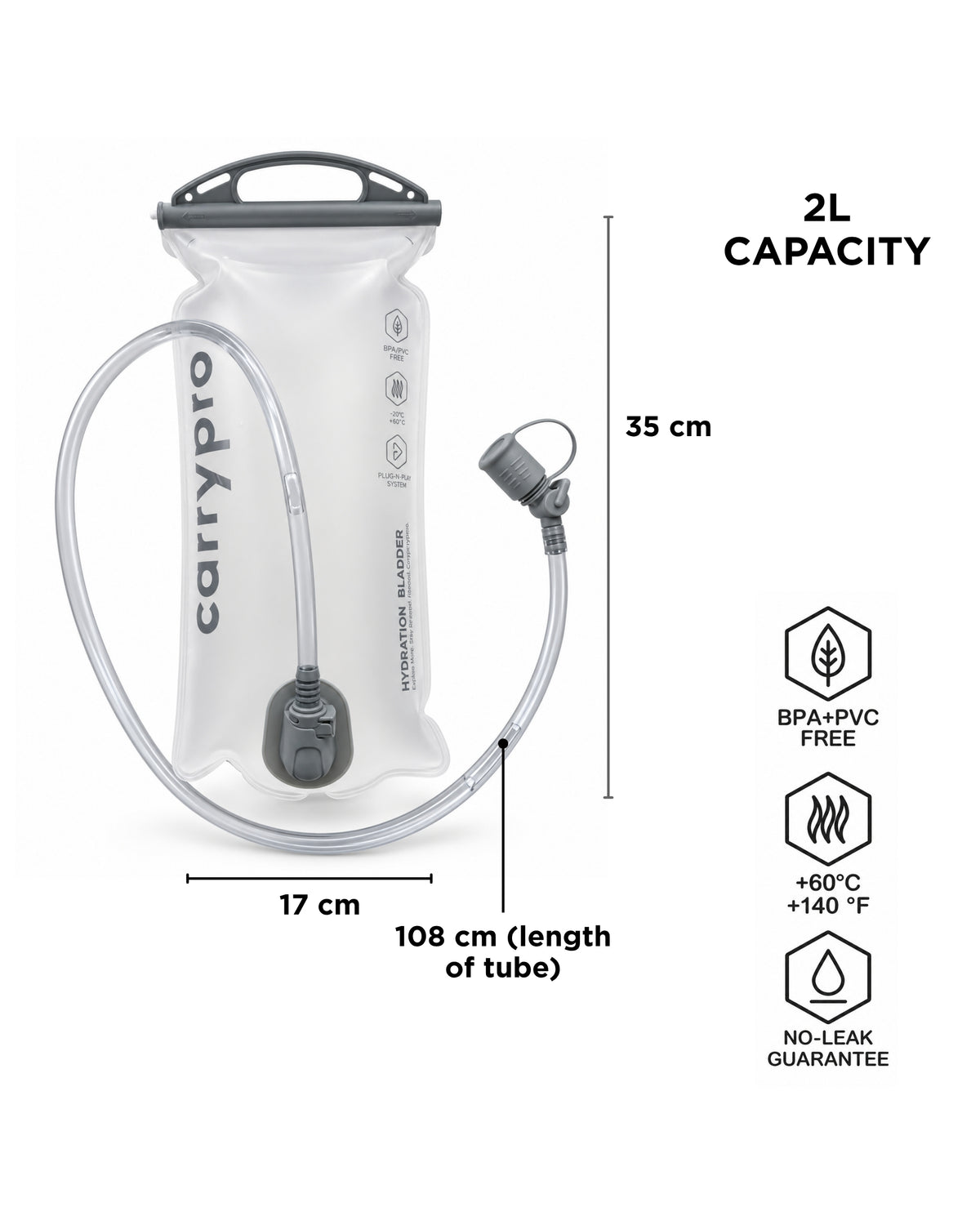
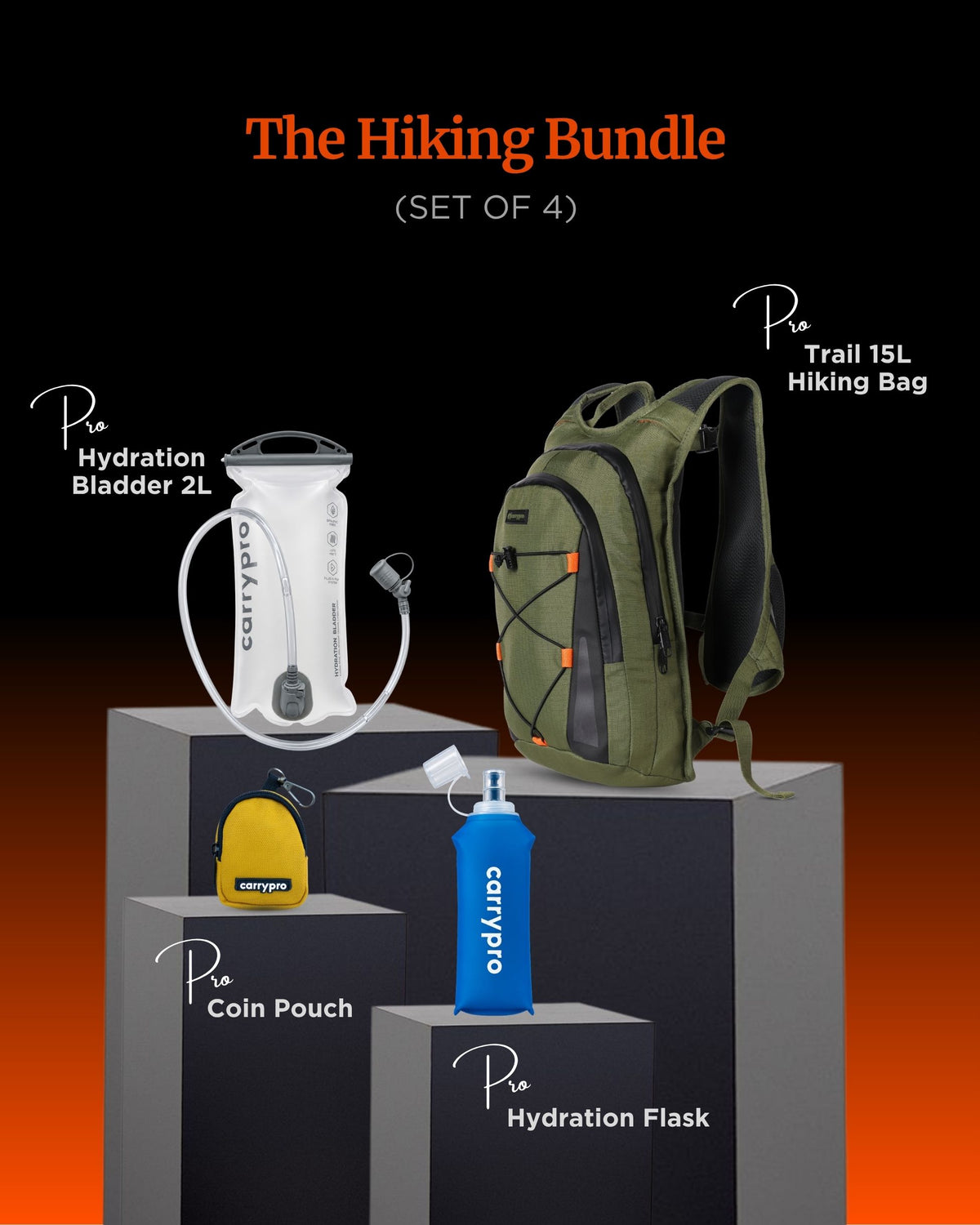
A bottle in your hand throws off your stride. The Hydration Bladder 2L is BPA-free, drops into the Sprint Running Vest or a trail pack, and routes a bite valve to your shoulder so you drink without stopping. Two litres covers most long runs and hot Indian mornings. The same bladder moves between your running vest, your trekking bag and a cycling pack, so you buy hydration once and use it everywhere.
Match the Gear to How You Run
Runners fall into a few clear groups. Pick the setup that matches your distance and terrain and you will not overbuy or underpack.
The Road Runner
Tarmac, early mornings, city loops. You carry a phone, a key, maybe a card. The Pro Running Belt is the whole kit. Add the Hydration Bladder only if your runs stretch past an hour in the heat.
The Trail Runner
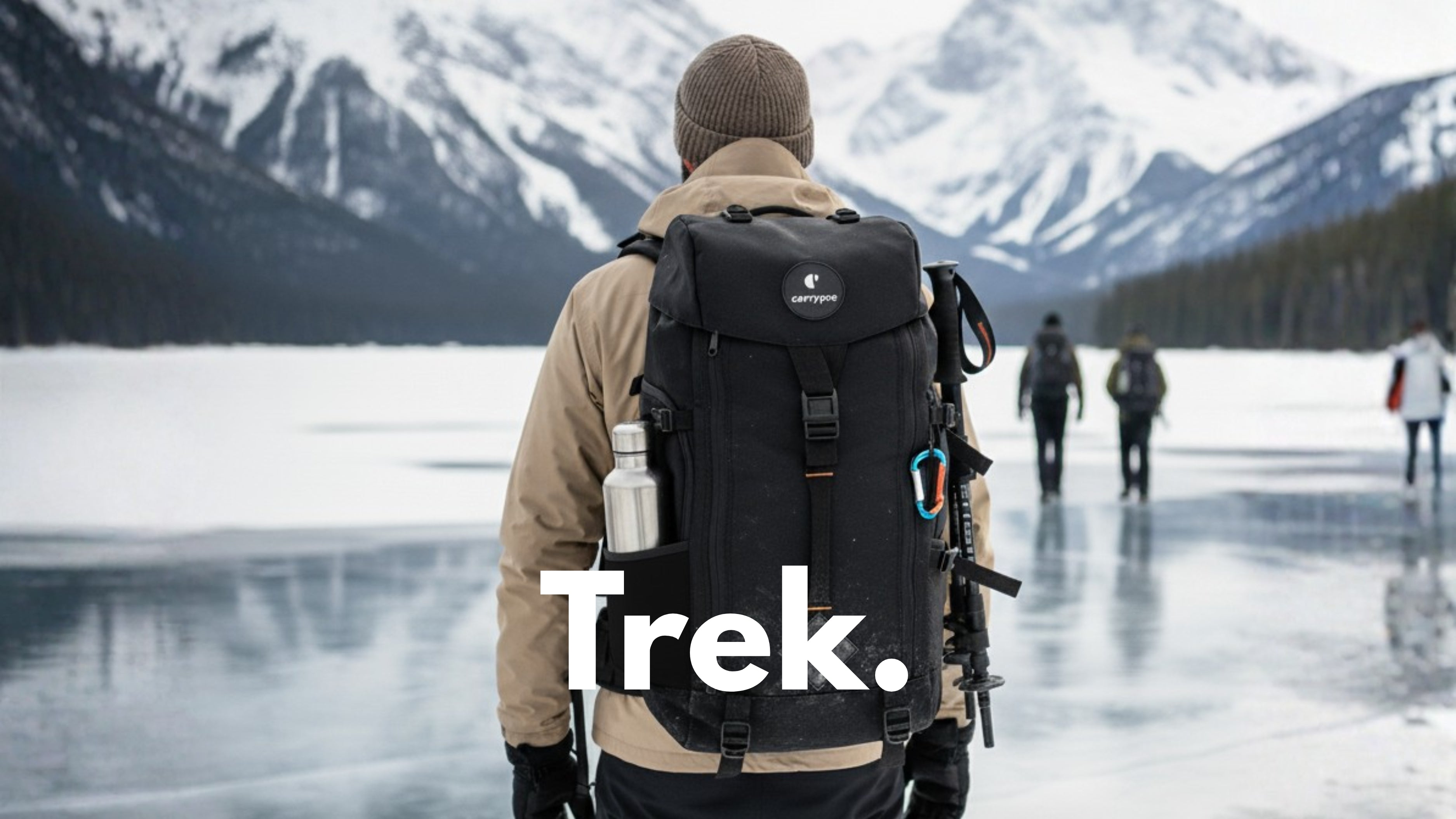
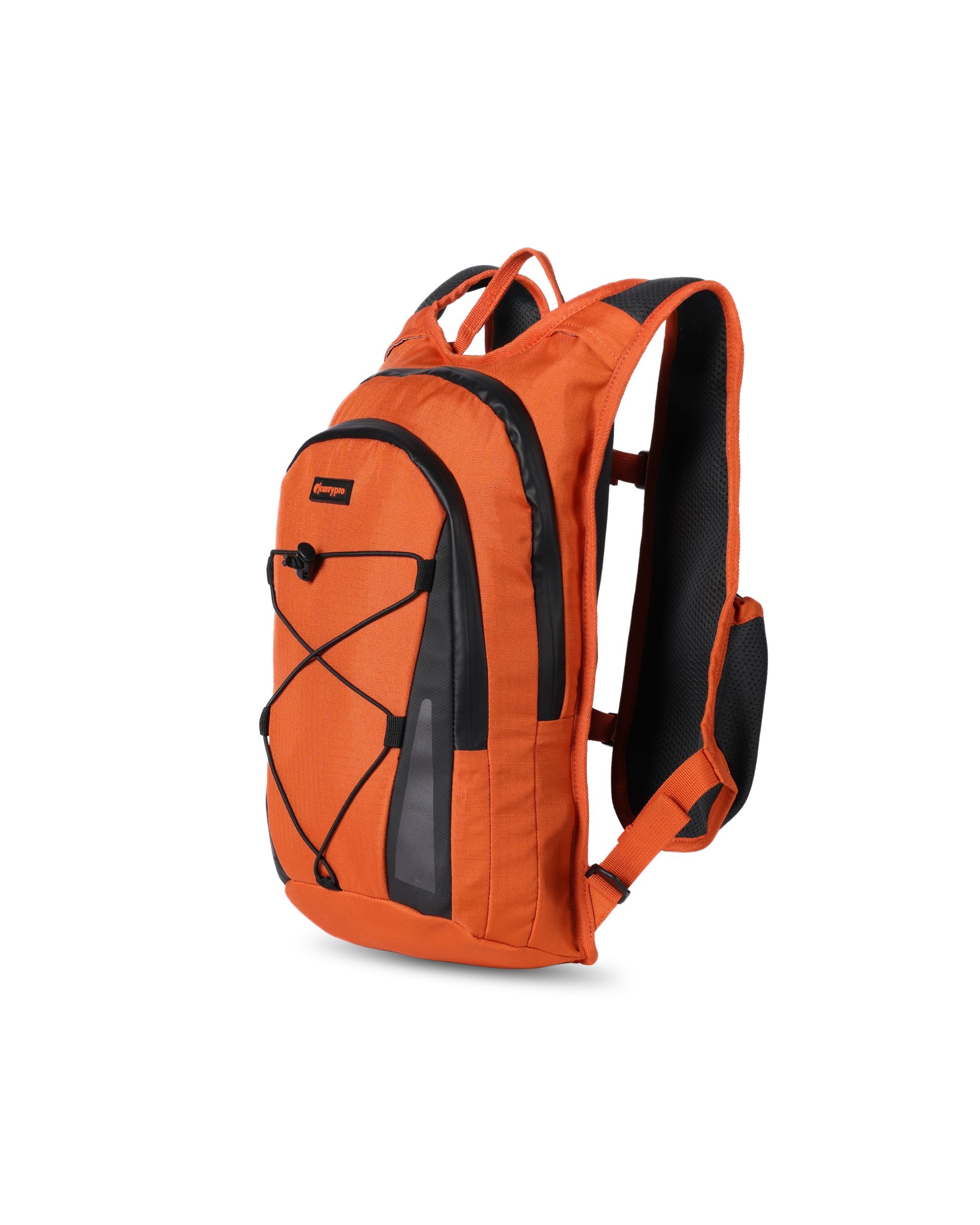
Uneven ground, longer time on feet, no shops in reach. You need water, fuel, a shell and grip. Pair the Sprint Running Vest 3L with the Hydration Bladder 2L, and step up to the Trail Hiking Bag 15L when you want room for a jacket, snacks and a first aid kit on bigger routes.
The New Runner
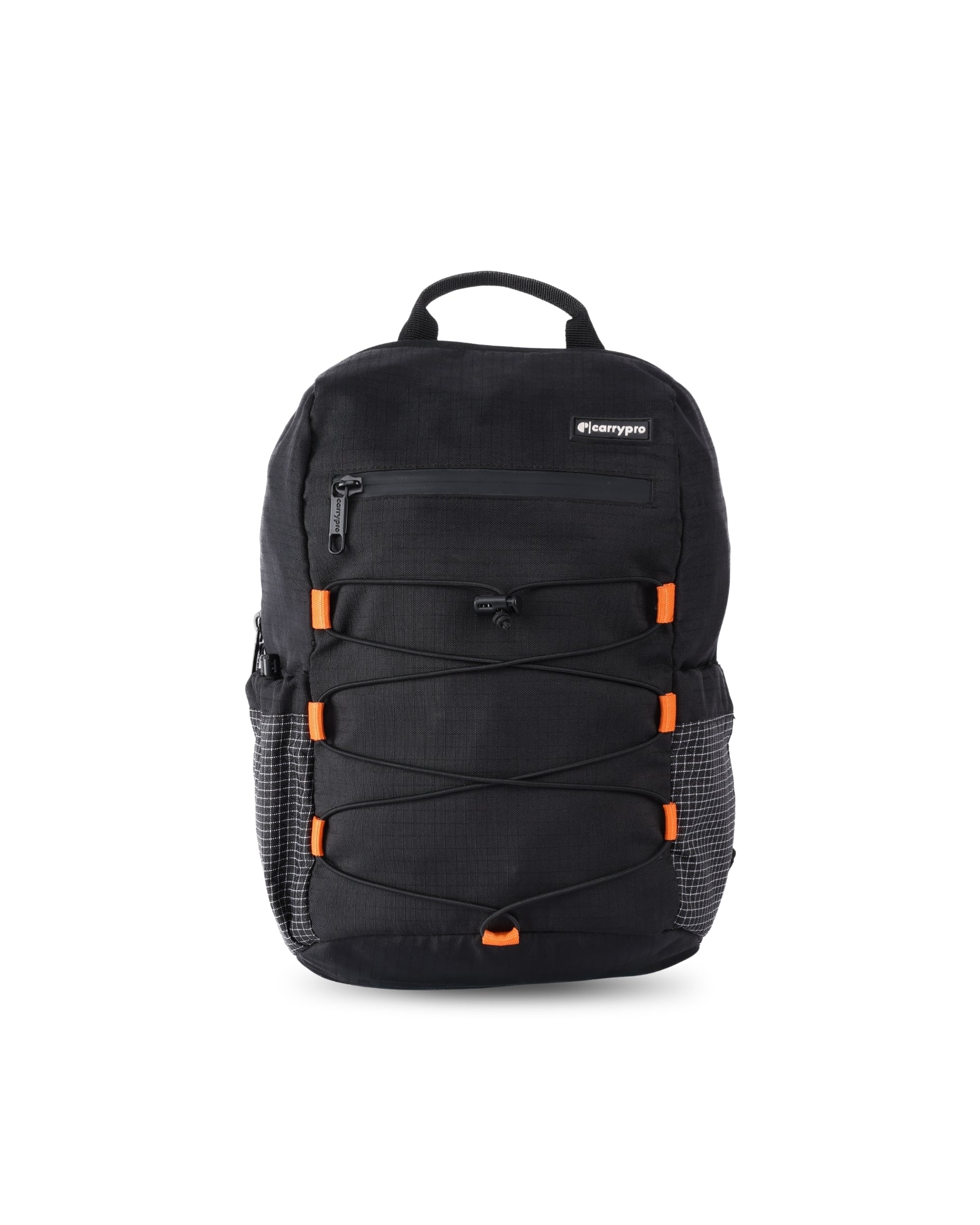
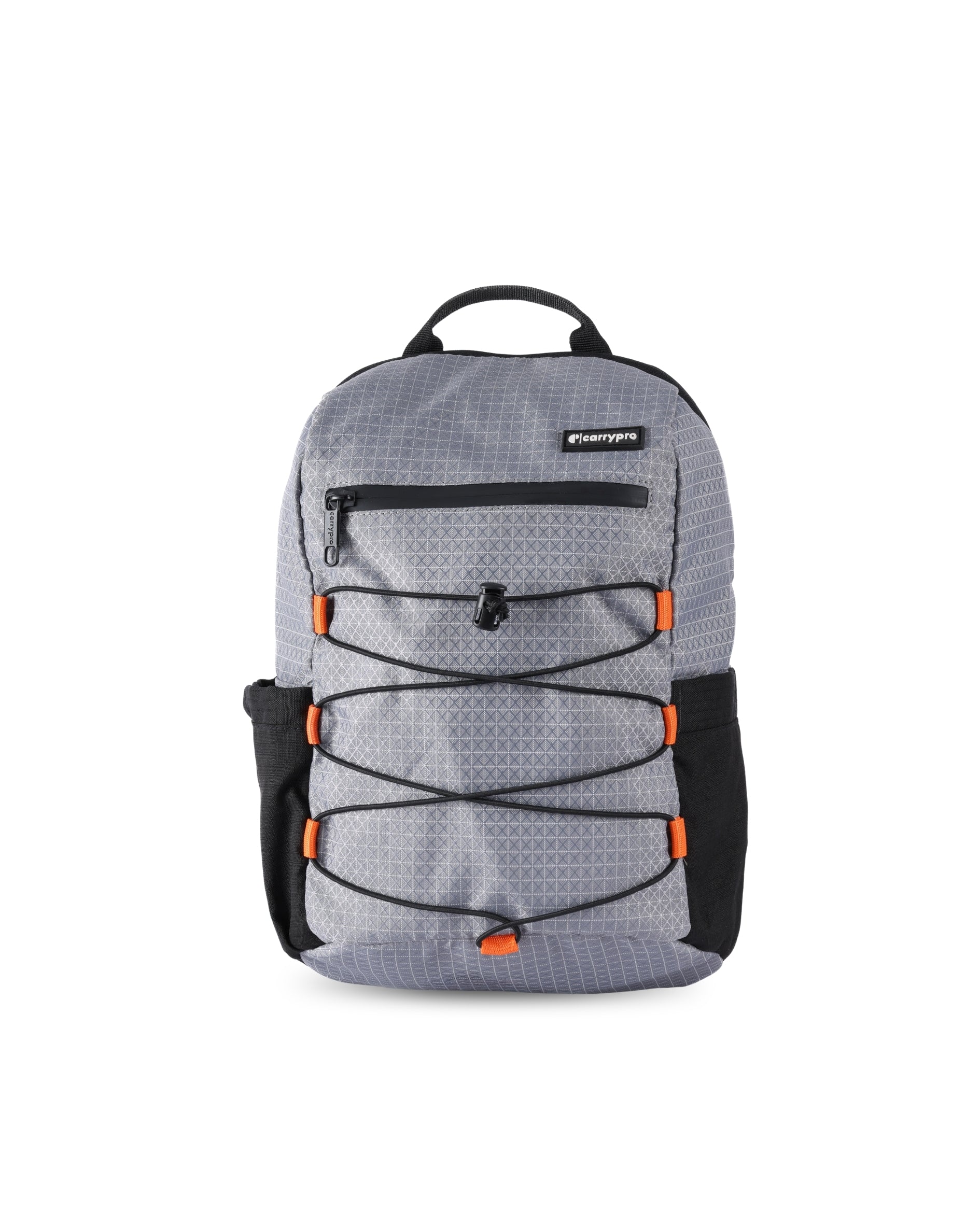
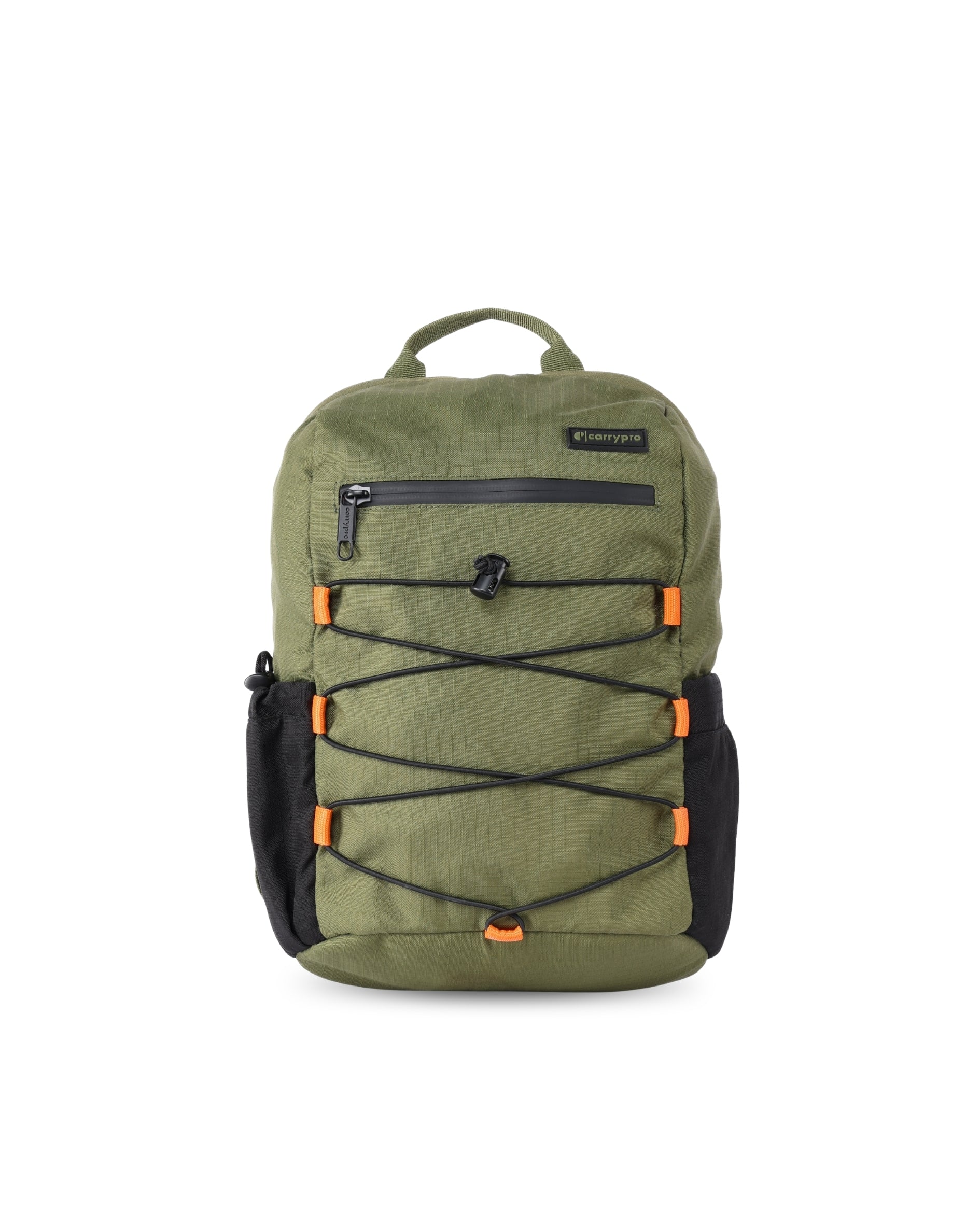
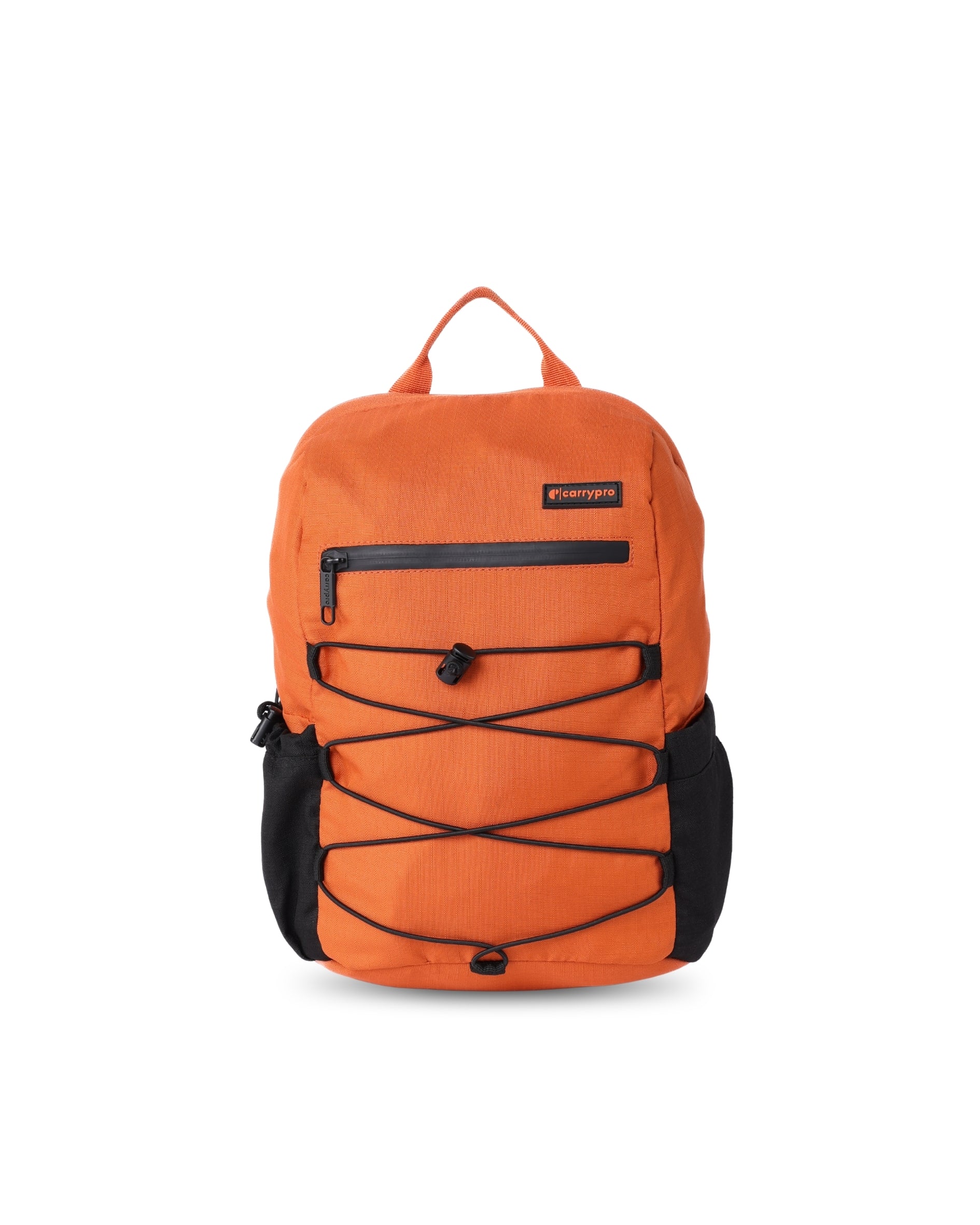
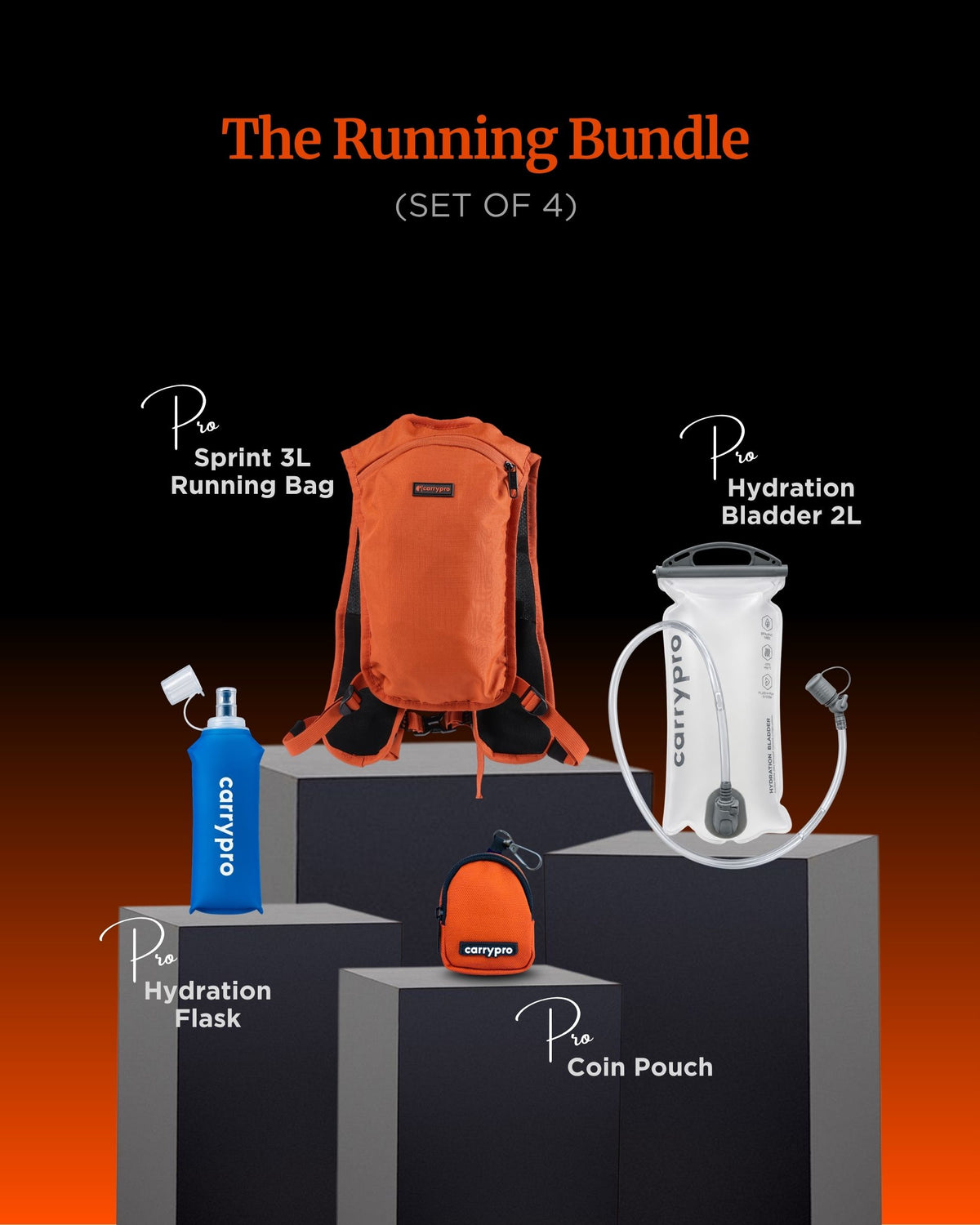
Just starting out, building from a walk to a jog. Keep it simple: the Pro Running Belt for your phone and keys, and the LITE 15L Daypack for the walk to the park or the commute to a running group. The Running Bundle groups the core pieces so you start with everything you need and nothing you do not.
Frequently Asked Questions
Which running vest should I buy for long runs in India?
For runs over an hour, a 3L running vest like the Sprint Running Vest carries water, fuel and a light layer without bounce. The front soft-flask pockets let you sip without stopping, and the close-to-body fit stops the swing you get from a waist bag on long distances. Add the Hydration Bladder 2L for hot mornings when two flasks are not enough. A 3L vest suits most road and trail runners up to marathon distance.
Is a running belt or an armband better for carrying a phone?
A running belt is more stable and holds more than an armband. An armband keeps a phone visible but slides down your arm as you sweat and only fits the phone. A running belt sits flat at your waist, carries a phone plus keys, cards and gels, and does not shift once adjusted. For anything longer than a short jog, a belt is the more comfortable and flexible choice.
What size hydration bladder do I need for running?
A 2L hydration bladder covers most long runs and hot-weather sessions. For runs under an hour, soft flasks or a belt are enough. For long runs, trail runs or humid Indian mornings, 2L gives you room to stay hydrated without refilling. The Hydration Bladder 2L fits inside the Sprint Running Vest and most trail packs, so one bladder works across running, trekking and cycling.
Can I use a running vest for trekking too?
Yes, for light and fast day treks. A 3L running vest carries water, snacks and a shell for a short trail with no overnight kit. For longer treks that need a rain layer, a first aid kit and more food, step up to a 15L trail bag. Many runners own both: the vest for fast days, the Trail Hiking Bag for longer routes.
How do I carry my phone and water on a long run without bounce?
Use a vest, not a bag. A running vest spreads weight across your chest and back and cinches close to your body so nothing swings. Keep the phone in a front chest pocket and the water in soft flasks or a bladder. Avoid backpacks and single-strap slings for running, since they shift with every stride and chafe over distance.
What running gear do beginners actually need?
Start small. A comfortable way to carry your phone and keys, which a running belt handles, and water for anything over half an hour. You do not need a vest until your runs stretch past an hour. Build up as your distance grows: belt first, then a hydration option, then a vest for long runs. The Running Bundle packages the starter essentials so you are not guessing.