
A vlogging gear checklist for Indian creators in 2026 is not a single shopping list. The kit that wins for a college student starting on Instagram Reels is wrong for a creator already shipping monetized YouTube content. The kit that wins for a YouTuber on the ₹50K plateau is wrong for a full-time creator doing client work.
The checklist below sorts the seven core gear categories (camera, audio, stabilization, lighting, storage, bag, extras) into three creator tiers: Budget (under ₹50,000 total kit), Mid (₹50,000 to ₹1.5 lakh), and Pro (₹1.5 lakh and above). Every pick is sized for Indian buying conditions: GST-included pricing, Amazon and Flipkart availability, warranty service in India.
Vlogging gear checklist quick answer
The table below maps the recommended camera and bag picks per creator tier. Full category breakdowns follow.
|
Tier |
Camera |
Audio |
Bag |
Approx. total kit |
|
Budget |
Smartphone + gimbal |
Boya BY-M1 lavalier |
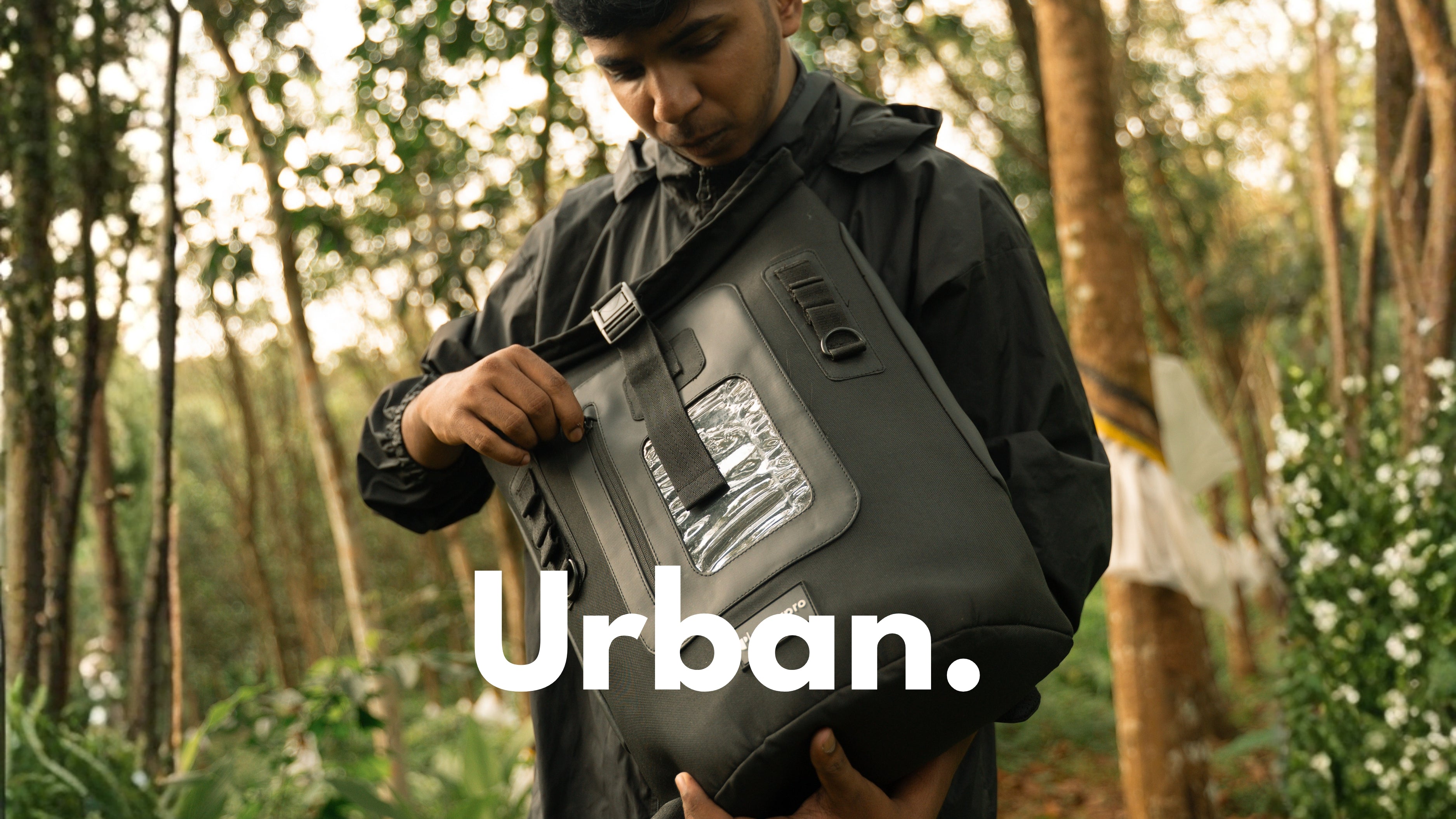
CarryPro MOJO V2.0 |
Under ₹50,000 |
|
Mid |
DJI Osmo Pocket 3 or GoPro Hero 13 |
Rode Wireless Go II |
CarryPro Pro Camera Sling |
₹50,000-₹1.5 lakh |
|
Pro |
Sony A6400 / Canon R50 mirrorless |
DJI Mic 2 |
CarryPro PANGO V2.0 |
₹1.5 lakh+ |
How the 3-tier framework works
Each tier represents a creator stage with a defined output and revenue expectation. Budget tier: building the audience, Reels-first, sub-100K followers, no consistent revenue. Mid tier: monetized YouTube, brand collaborations starting, 100K to 500K followers, gear pays for itself within 6 months. Pro tier: full-time creator income, client work, multi-camera shoots, gear is a tax-deductible business asset.
The right move is to buy for your current tier plus one. Skipping tiers wastes money on capability that the output cannot use. Staying behind tiers caps the output quality.
Budget tier vlogging kit (under ₹50,000 total)
The budget tier wins through smartphone leverage. A modern flagship phone shoots 4K video that beats entry-level dedicated cameras from three years ago. The kit below adds the accessories that smartphones cannot fix on their own.
Camera: a flagship smartphone (iPhone 13+, Galaxy S22+, OnePlus 11+) running native 4K/30fps. Lateral upgrade if smartphone is mid-tier: GoPro HERO entry model at ₹23,990 for action shoots.
Audio: Boya BY-M1 wired lavalier (₹600-800) or Boya BY-M1 Pro II wireless (₹3,500). Built-in phone mics fail for talking-head work. A wired lavalier solves it for under ₹1,000.
Stabilization: DJI Osmo Mobile 6 smartphone gimbal at ₹10,990 or handheld + good editing. The gimbal adds production polish for walking shots; without it, lean on phone-native stabilization.
Lighting: a single small LED panel (Godox LED M, Ulanzi VL49) at ₹1,500-3,000. Indoor low-light fixes 80% of amateur-looking footage.
Memory: 128GB high-speed microSD card (Samsung Evo Plus, SanDisk Ultra) at ₹1,200-1,500. Single card lasts a creator three to six months.
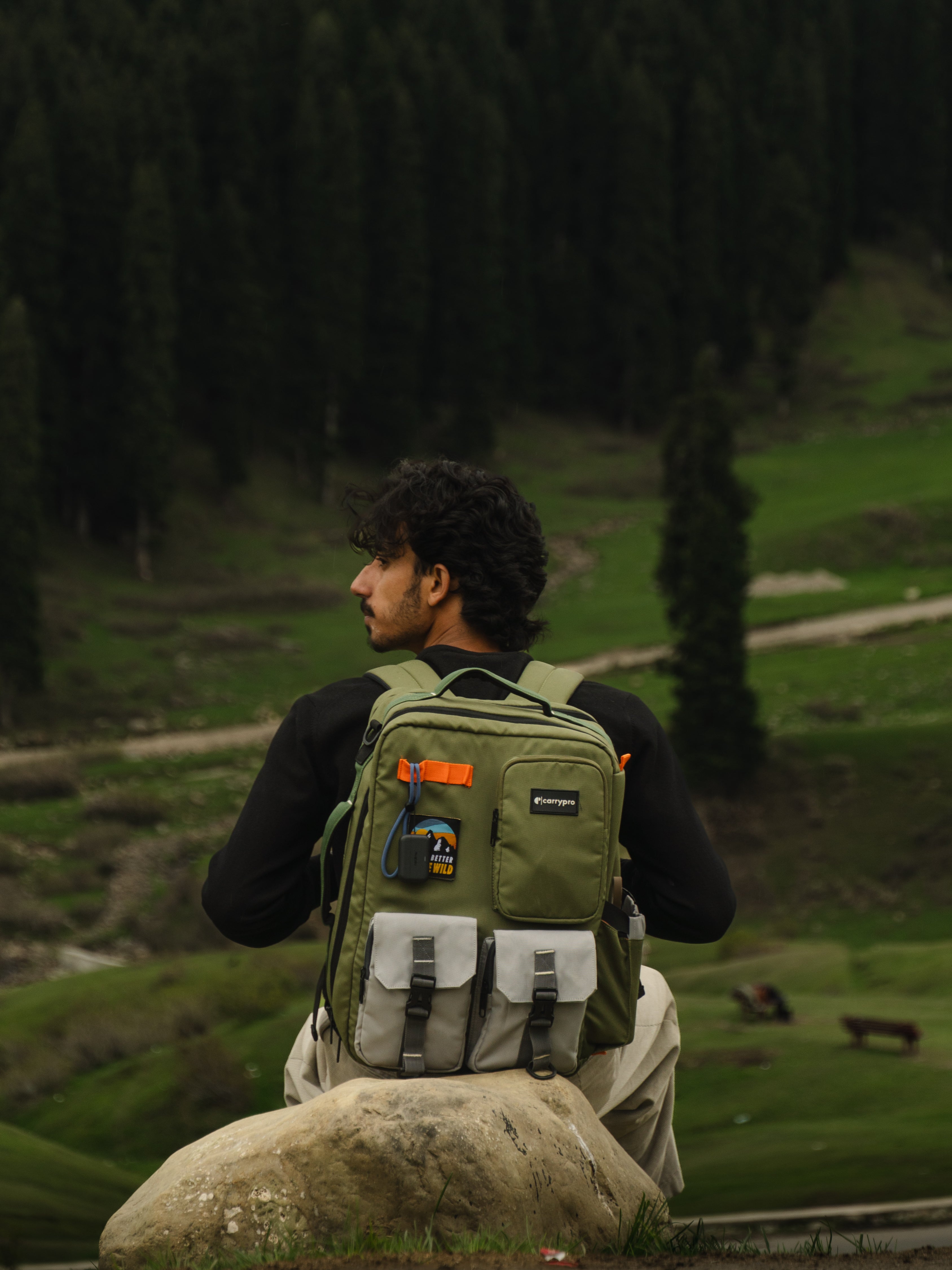
Bag: the MOJO V2.0 Everyday Backpack 20L at ₹1,999 carries phone, gimbal, mic, lights, laptop, and personal essentials in one pack. Lightweight, water-resistant fabric.
Extras: USB-C cable, 10,000mAh power bank (₹1,500), spare phone-grip clamp. Total tier: ₹20,000-₹35,000 depending on phone ownership.
Mid tier vlogging kit (₹50,000 to ₹1.5 lakh total)
The mid tier is where dedicated cameras justify themselves. Image quality, audio inputs, and ecosystem accessories enable production styles that smartphones cannot deliver.
Camera: the DJI Osmo Pocket 3 at ₹40,990 (Standard) or the GoPro Hero 13 Black at ₹44,990 cover the two most common mid-tier creator workflows: gimbal-stabilized vlogging (Pocket 3) and action vlogging (Hero 13). For compact-camera vlogging, read the Sony ZV-1 II vs Canon G7X III comparison at /blogs/news/sony-zv1-ii-vs-canon-g7x-iii-india-2026.
Audio: Rode Wireless Go II (₹18,000-22,000) or DJI Mic 2 (₹22,000-25,000). Both deliver broadcast-quality wireless audio for two-person setups. For the head-to-head comparison, see /blogs/news/dji-mic-2-vs-rode-wireless-go-ii-india-2026.
Stabilization: built into the Pocket 3 gimbal or via mini tripod (Manfrotto Pixi, Joby Gorillapod) at ₹1,500-3,500. Standalone gimbals are not needed for Pocket 3 workflows.
Lighting: Aputure MC RGB LED (₹6,000-8,000) or Godox LED M1 at ₹2,500. Adds RGB control for B-roll and cinematic looks.
Memory: 256GB V30 microSD (₹2,000) plus 1TB external SSD (₹6,000) for travel backup.
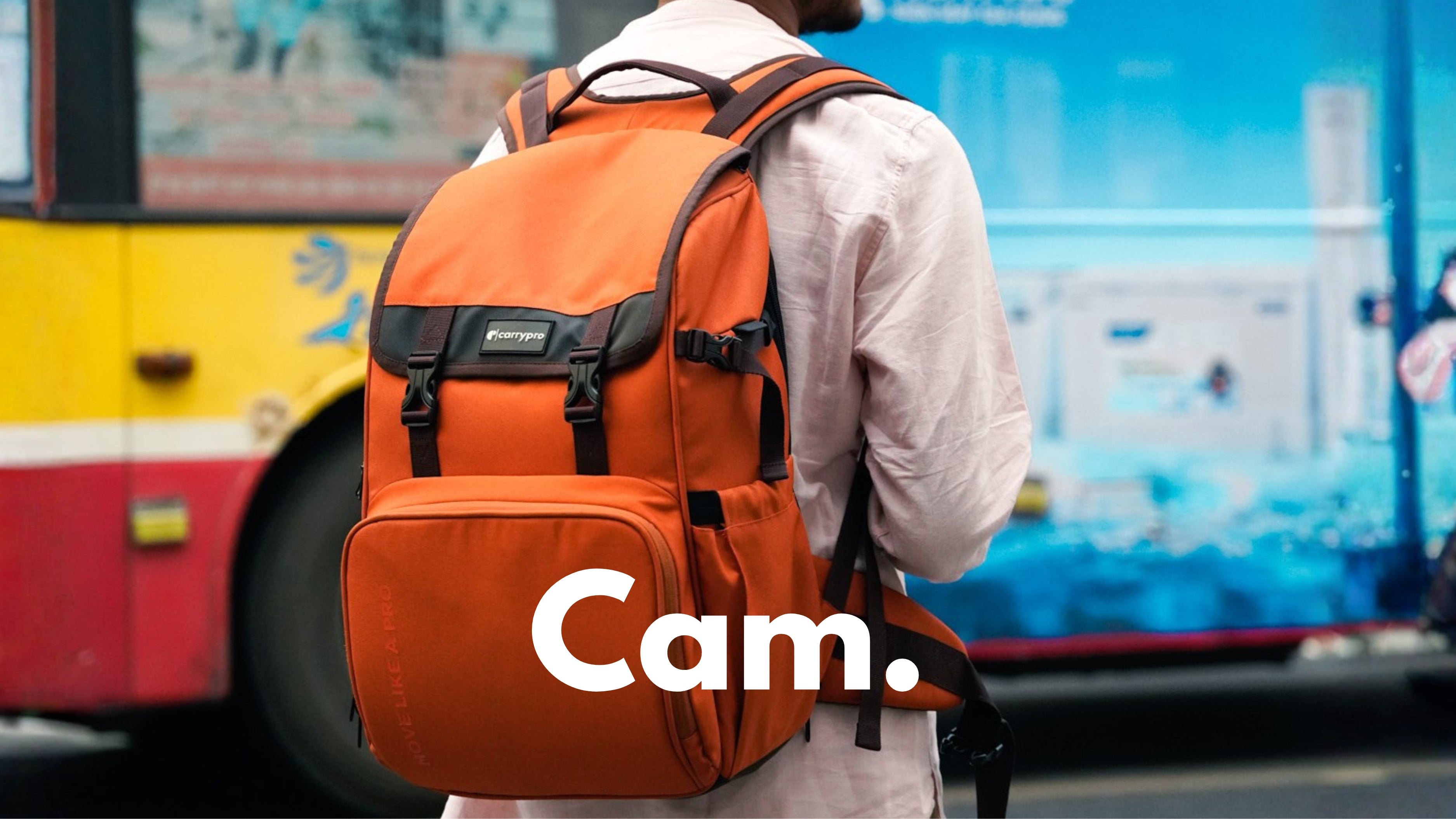
Bag: the Pro Camera and Drone Sling Bag (10L) at ₹3,499 for sling-format quick-deploy creators. For the broader format comparison and selection criteria, read how to choose a camera backpack that actually protects your gear.
Extras: ND filter set for outdoor 4K shooting (₹2,500-4,000), Pro Kit Tech Organiser at ₹1,299 for cables and small electronics. Browse tech organizers for variants. Total tier: ₹60,000-₹1,20,000.
Pro tier vlogging kit (₹1.5 lakh and above)
The pro tier matches creators who treat gear as a business asset. Multiple bodies, redundant audio, professional lighting, and reliable transport for client work.
Camera: a mirrorless body in the ₹65,000-₹95,000 range. Sony A6400, Canon R50, Fuji X-T30 II, and Nikon Z30 cover the four main pro-tier vlogging options. For the deep comparison, read the best mirrorless under ₹1 lakh roundup at /blogs/news/best-mirrorless-under-1-lakh-india-2026. Plan a second body or pocket cam as backup.
Audio: DJI Mic 2 system (₹22,000-25,000) as primary plus a shotgun mic (Rode VideoMic Pro+ or Deity V-Mic D4 at ₹15,000-20,000) for camera-mounted backup audio.
Stabilization: DJI RS 3 Mini gimbal (₹35,000-40,000) for mirrorless work plus a proper tripod (Manfrotto BeFree or Benro at ₹8,000-15,000).
Lighting: Aputure MC Pro (₹15,000) or Godox SL60W (₹8,000-12,000) for on-location key light. Foldable softbox for diffusion.
Memory: 256GB V90 SD card (₹4,500) for high-bitrate recording plus a 2TB SSD for backup workflow.
Bag: the PANGO V2.0 Camera and Laptop Travel Backpack at ₹6,299 holds two bodies, four lenses, gimbal, mic kit, and a 15.6-inch laptop. Pair with the Pro Camera Cube V2.0 at ₹2,399 for modular protection. Browse camera backpacks and camera accessories and inserts.
Extras: spare batteries, ND filters, color reference cards, cleaning kit, lens hoods. Total tier: ₹1,80,000-₹3,50,000+.
Five things every Indian vlogger needs regardless of tier
Five items apply regardless of where you sit in the tier framework.
A rain-protected bag. Indian monsoon (June to September) is non-negotiable. Filter on backpacks with rain cover before buying any vlogging kit bag.
Silica gel packs. Humidity damages every electronic in monsoon and coastal climates. Buy a 100g pack for ₹100 and replace every 3 months.
A reliable external SSD. SD cards fail. Cloud upload is unreliable on Indian mobile data. A 1TB SSD at ₹6,000 saves your footage when other backups fail.
A spare battery. Every camera in this checklist needs at least one spare. Cold mountain shoots demand two spares minimum. Heat in Goa drains batteries faster than rated.
A lens cloth. The cheapest gear item, the most-forgotten. ₹100 for a microfiber cloth that prevents 80% of "why does my footage look hazy?" problems.
Where to carry it all: bag picks by creator tier
The bag choice scales with kit weight, not creator income. Budget tier under 3kg total kit fits the MOJO V2.0 or a Pro Sling Crossbody. Mid tier 3-6kg kit needs the Pro Camera and Drone Sling Bag or the HOBO25 V3.0 rolltop. Pro tier 6-12kg full kit demands the PANGO V2.0 with side access. For laptop-carrying creators, read camera bags that fit a laptop too before final pickup.
For travel-friendly cabin-compatible bags, see carry-on backpacks, lightweight backpacks, and camera sling bags.
Ready to build your vlogging kit?
The right vlogging kit is the one you actually carry, not the one that looks best on a spec sheet. Pick the tier that matches your current output, buy the bag first, then layer cameras and audio. Browse the full lineup at travel backpacks and pair with the right tier of carry. Your next upload deserves gear that does not get in the way.
FAQs about vlogging gear for Indian creators
What is the minimum vlogging kit for an Indian creator in 2026?
A flagship smartphone (under 3 years old) with a Boya BY-M1 lavalier mic, a single LED panel, and a 20L backpack like the MOJO V2.0. Total under ₹4,000 if the phone is already owned. Suitable for Reels and short-form YouTube under 100K views.
How much should a beginner vlogger spend on gear in India?
Under ₹50,000 total kit including smartphone, mic, gimbal, lighting, and bag. Skip dedicated cameras until consistent monthly viewership crosses 50,000 views. The smartphone-plus-accessory tier wins for content building.
Is the DJI Osmo Pocket 3 worth it for Indian travel vlogging?
For solo creators with sub-₹50,000 budget who shoot mostly stationary or gimbal-stabilized footage, yes. For action vlogging in monsoon or water conditions, the GoPro Hero 13 Black is the better pick. Read the full comparison in the Pocket 3 review.
What microphone do most YouTubers use in India?
For wireless dual-creator setups, the Rode Wireless Go II and DJI Mic 2 are the two dominant picks in the ₹18,000-25,000 range. For solo work with a wired connection, the Rode VideoMic Go II (₹8,000) or Boya BY-M1 (₹800) cover budget and mid tiers.
Do I need a separate camera bag if I already own a backpack?
If the backpack is 20L+ with a wide-mouth opening, no. A Pro Camera Cube V2.0 at ₹2,399 converts any existing backpack into a camera bag. Only buy a dedicated camera bag when the cube-plus-bag combination cannot match your kit volume.
What is the best all-in-one bag for an Indian vlogger?
For mid-tier kits, the PANGO V2.0 at ₹6,299 carries camera, mic, lighting, accessories, and a 15.6-inch laptop in one pack. For budget tier, the MOJO V2.0 plus Pro Camera Cube combination at ₹4,398 combined delivers the same modular flexibility at a lower price point.