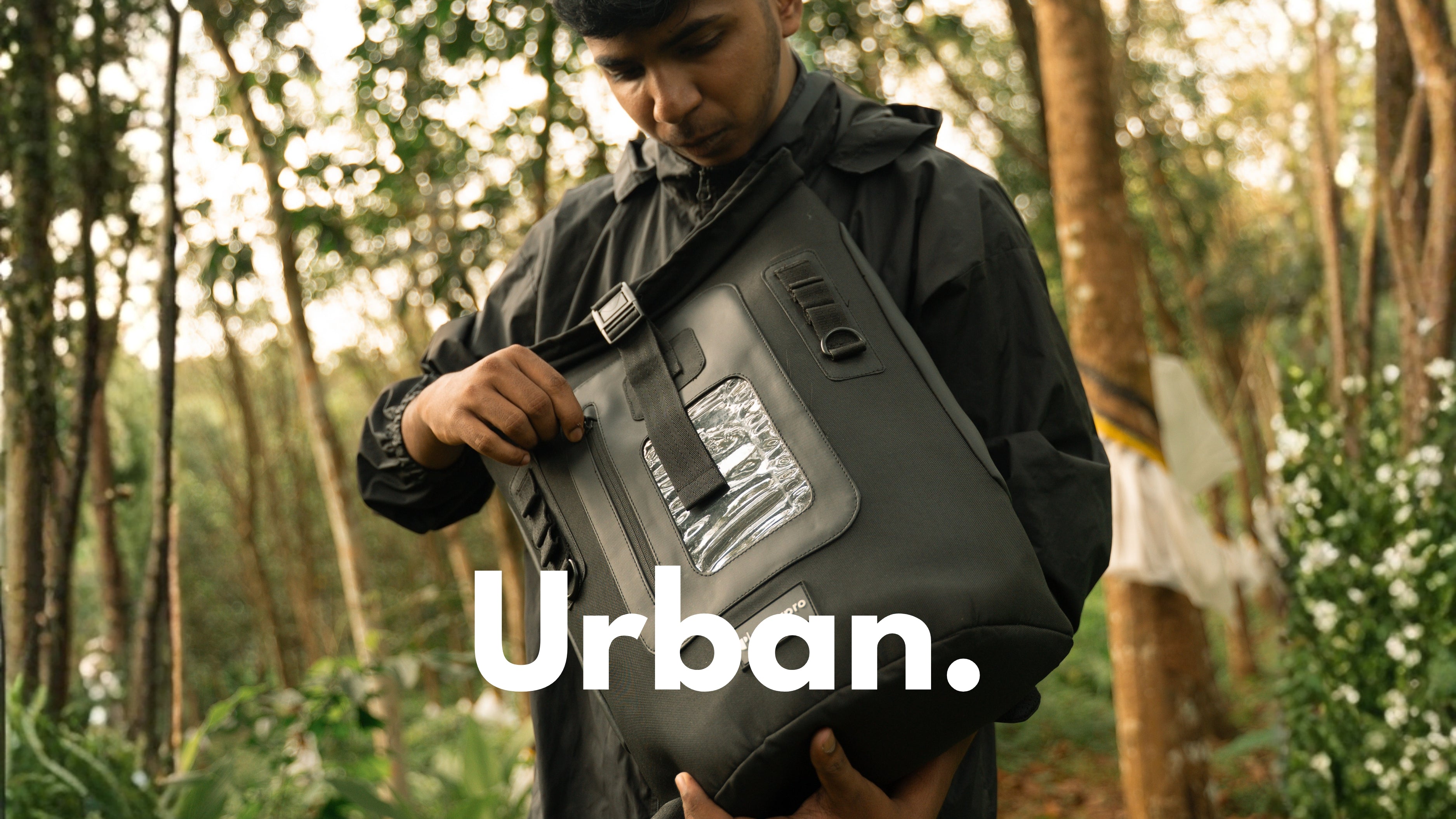
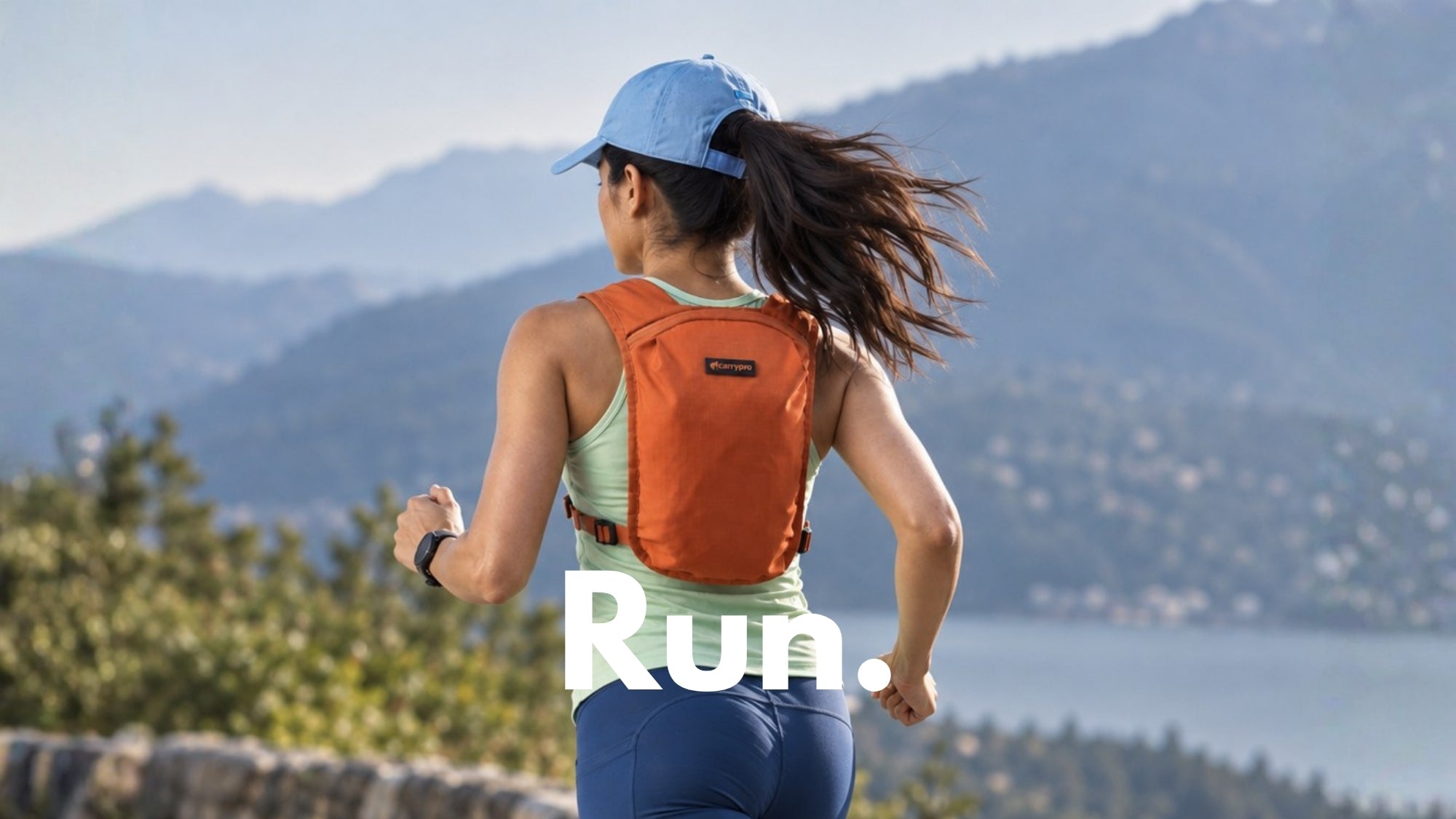

The gap between watching travel reels and making them usually comes down to one question: what gear do I actually need? The answer depends on the creator, not the camera store. A Himachal trekker shooting monsoon trails needs a different setup than a Goa lifestyle vlogger filming a cafe interior.
This survey covers 12 distinct solo travel vlog setups used by Indian creators across three budget tiers. Each setup lists the camera, audio, stabilisation, carry solution, and total kit weight. The goal is not to recommend one right answer but to show what working creators actually carry so you can match a setup to your content style.
Budget tier: under Rs 25,000 total kit
These setups prove that a solo travel vlog setup does not require a large investment. Indian creators at this tier produce content that competes with mid-tier gear because they understand light and composition.
Setup 1: phone-only minimalist
Camera: iPhone 15 or Samsung Galaxy S24. Audio: BOYA BY-M1 wired lav mic (Rs 800). Stabilisation: optical in-phone. Carry: phone in pocket, mic on collar. Total weight: 250 grams.
Works for Instagram Reels and YouTube Shorts. The creator shoots handheld, uses natural light, and edits on the phone using CapCut.
Setup 2: phone plus mini tripod
Camera: any recent flagship phone. Audio: RODE VideoMicro (Rs 5,500). Stabilisation: Manfrotto PIXI mini tripod (Rs 2,000). Carry: tripod and mic in a sling bag. Total weight: 600 grams.
The mini tripod enables self-filming from a cafe table, a wall, or a rock. The RODE VideoMicro captures clean audio without batteries. This is the most popular starter setup among Indian travel creators.
Setup 3: action camera adventure rig
Camera: GoPro Hero 13 Black (Rs 44,990). Audio: built-in mics with wind foam. Stabilisation: HyperSmooth built-in. Carry: camera in pocket or chest mount. Total weight: 180 grams.
For monsoon treks, beach content, and mountain biking. The GoPro handles water, dust, and impact. Audio quality in wind is the main limitation.
Mid tier: Rs 40,000 to Rs 1,00,000 total kit
This is where most serious Indian solo travel vloggers sit. The kit balances quality, weight, and portability.
Setup 4: pocket gimbal primary
Camera: DJI Osmo Pocket 3 (Rs 40,990). Audio: DJI Mic 2 wireless (Rs 22,000). Stabilisation: built-in 3-axis gimbal. Carry: camera in pocket, mic in a tech pouch. Total weight: 350 grams.
The most popular mid-tier solo travel vlog setup in India. The Pocket 3 fits in a jeans pocket, shoots 4K with a 1-inch sensor, and has face-tracking autofocus. Pair with the DJI Mic 2 for broadcast-quality audio. The entire kit fits inside a sling bag with room to spare.
Setup 5: compact mirrorless starter
Camera: Canon EOS R50 (Rs 55,000 body). Audio: RODE Wireless GO II (Rs 20,000). Stabilisation: in-body stabilisation plus a mini tripod. Carry: camera in a Pango V2.0 with one kit lens. Total weight: 1.2 kg.
For creators who want shallow depth of field and colour grading flexibility. The R50's flip screen makes self-filming simple. The compact body fits in a camera backpack alongside a laptop and travel clothing.
Setup 6: dual-camera system
Primary: DJI Osmo Pocket 3 for walking and B-roll. Secondary: phone for talking-head and selfie angles. Audio: DJI Mic 2 with one transmitter on creator, one on guest. Carry: Pocket 3 in pocket, phone in hand, mics in sling bag. Total weight: 500 grams.
Two cameras, no camera bag. This setup captures two angles without the weight or complexity of a full mirrorless rig. It is increasingly popular among Indian couple-travel creators who share filming duties.
Pro tier: Rs 1,00,000 and above
These setups serve creators who earn from their content and need footage quality that supports brand collaborations and long-form YouTube.
Setup 7: full-frame travel filmmaker
Camera: Sony a7C II (Rs 1,55,000 body). Lens: Tamron 28-75mm f/2.8 (Rs 68,000). Audio: DJI Mic 2. Stabilisation: in-body stabilisation. Carry: Pango V2.0 with camera insert and laptop. Total weight: 2.8 kg (camera plus lens plus mic).
The cinematic ceiling for a solo creator. Full-frame low-light performance, shallow depth of field, and colour science that grades beautifully. The trade-off is weight and the need for a dedicated camera backpack.
Setup 8: mirrorless plus action camera hybrid
Primary: Fujifilm X-S20 (Rs 1,05,000 body). Secondary: GoPro Hero 13 for POV and underwater. Audio: RODE Wireless GO II. Carry: Fuji in the Pango, GoPro clipped to the chest strap. Total weight: 2.2 kg combined.
For creators covering both cinematic travel and adventure content. The Fuji handles talking heads, interviews, and slow B-roll. The GoPro handles everything the Fuji cannot survive.
Setup 9: content production studio on the road
Camera: Sony a7C II. Lenses: Tamron 17-28mm (wide) and 28-75mm (standard). Audio: DJI Mic 2 plus a shotgun mic. Lighting: compact LED panel. Carry: Pango V2.0 plus a HOBO40 V2.0 for clothing and travel gear. Total weight: 4.5 kg (camera kit only).
A two-bag system for creators on paid assignments or extended content trips. The Pango carries all production gear. The HOBO40 carries clothing and personal items. This is the setup for creators producing 30-day travel series or brand campaigns.
Three setups that solve specific Indian challenges
Beyond budget tiers, certain setups address problems unique to Indian travel.
Setup 10: monsoon-proof rig
GoPro Hero 13 as primary, wireless lav mic in a waterproof case, phone as backup. Total kit weight under 400 grams. Everything survives sustained rain without a rain cover.
Setup 11: train journey creator
Phone mounted on a window suction cup for landscape timelapses. Pocket gimbal for aisle and berth footage. Wireless earbuds as a discreet mic for narration without drawing attention in a sleeper coach. Entire kit fits in a sling bag.
Setup 12: temple and heritage site shooter
Mirrorless camera with a wide lens (17-28mm) for architecture. No tripod, since most Indian heritage sites ban them. Lean against a pillar for stability. A compact LED set to warm temperature (3200K) matches oil lamp lighting in temple interiors.
For the full gear checklist across all budget tiers, the vlogging gear checklist for Indian creators breaks down cameras, mics, lights, and bags with Indian pricing.
The right setup is the one you carry every day
The setup that produces the best travel content is not the most expensive. It is the one the creator actually carries. A phone in the pocket beats a mirrorless camera left at the hostel because it was too heavy to bring.
Start with whatever you own. Upgrade one piece at a time based on what limits your content, not what a review tells you to buy.
Frequently asked questions
What is the cheapest solo travel vlog setup that looks professional?
A flagship phone plus a RODE VideoMicro shotgun mic and a mini tripod. Total investment under Rs 8,000 (excluding the phone). Clean audio and stable shots matter more than sensor size for social media content.
Do I need a gimbal for solo travel vlogging?
Not necessarily. Phones and mirrorless cameras with optical or in-body stabilisation handle walking shots adequately. A gimbal adds smoothness for cinematic B-roll but also adds weight and setup time. The DJI Osmo Pocket 3 has a built-in gimbal, eliminating the need for a separate device.
How much does a complete mid-tier travel vlog kit weigh?
Between 350 grams (pocket gimbal plus wireless mic) and 1.5 kg (compact mirrorless plus lens plus mic plus mini tripod). Both fit inside a sling bag or the top compartment of a camera backpack.
Can I vlog in India with just a phone?
Yes. Most Indian travel content on Instagram Reels and YouTube Shorts is shot on phones. Pair with an external mic for better audio and shoot during golden hour for the best natural light. The phone is the most versatile solo travel vlog setup for beginners.
What bag do Indian travel creators use for their camera gear?
Most serious creators use a dedicated camera backpack that separates gear from clothing. The Pango V2.0 holds a mirrorless body, two lenses, a laptop, and accessories in padded compartments with a rain cover included.
Should I invest in audio or camera first?
Audio. Viewers tolerate average video quality but abandon content with bad audio within three seconds. A Rs 5,000 wireless mic paired with a phone produces more watchable content than a Rs 1,00,000 camera with built-in mic audio.