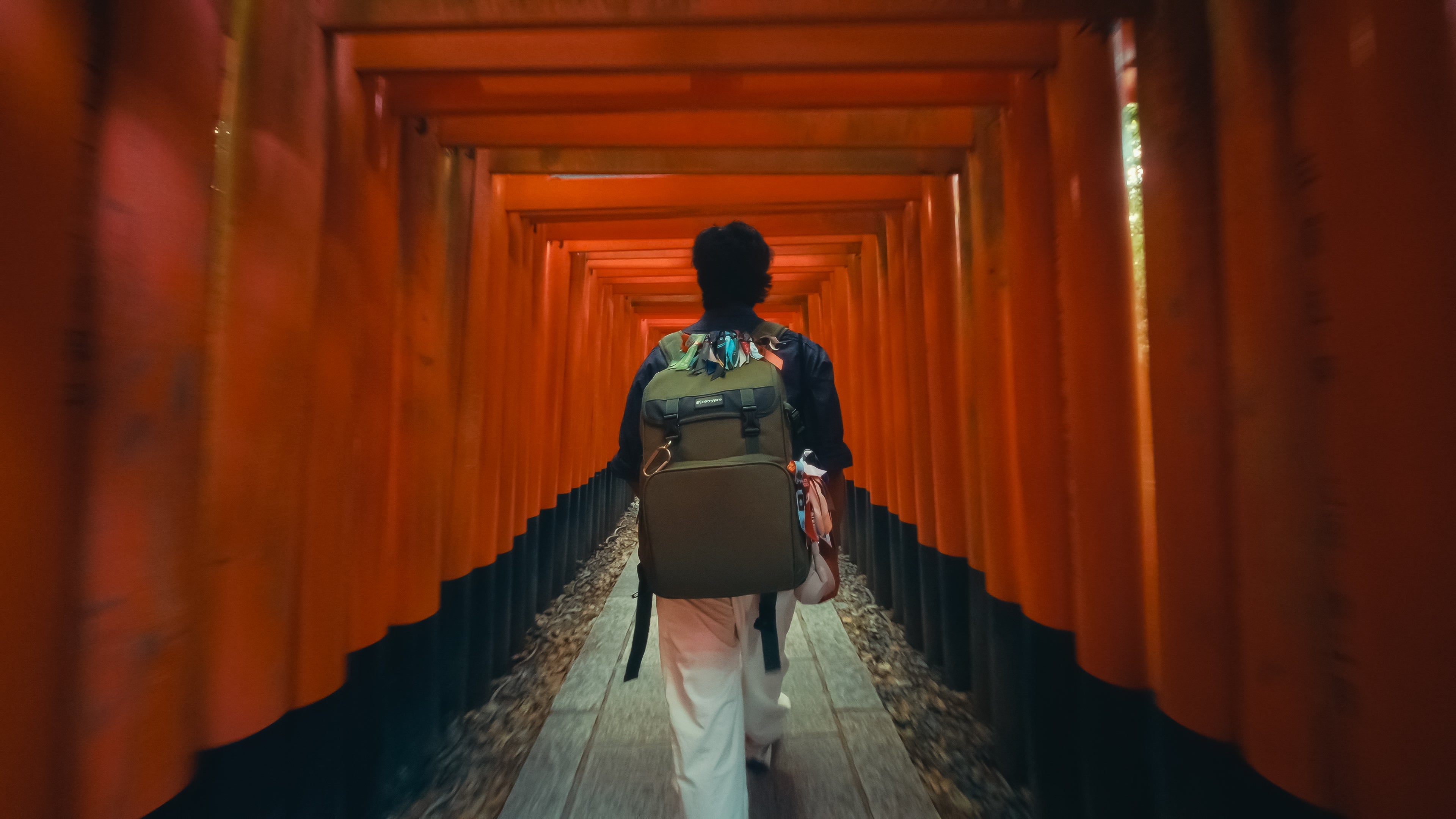
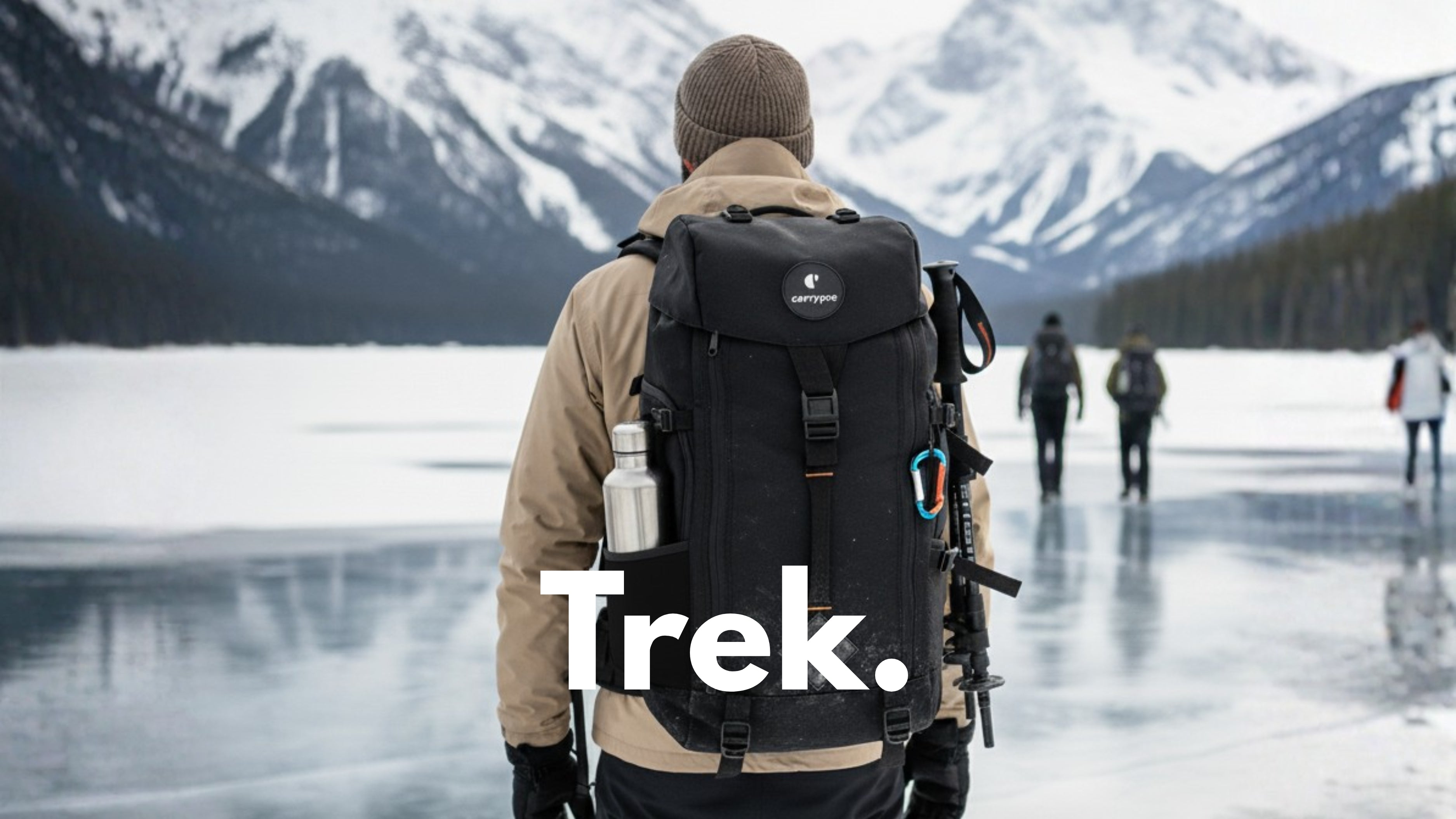

Carrying camera gear while travelling creates a problem that regular bags do not solve. A standard backpack offers no padding. A suitcase offers no quick access. Choosing the right travel camera bag depends on how much gear you carry, how often you need to pull the camera out, and whether the camera bag also needs to hold clothes and a laptop.
Three formats dominate camera carry: backpacks, sling bags, and camera inserts. Each solves a different problem, and picking the wrong one means either damaged gear or missed shots.
What Makes a Travel Camera Bag Different From a Regular Bag?
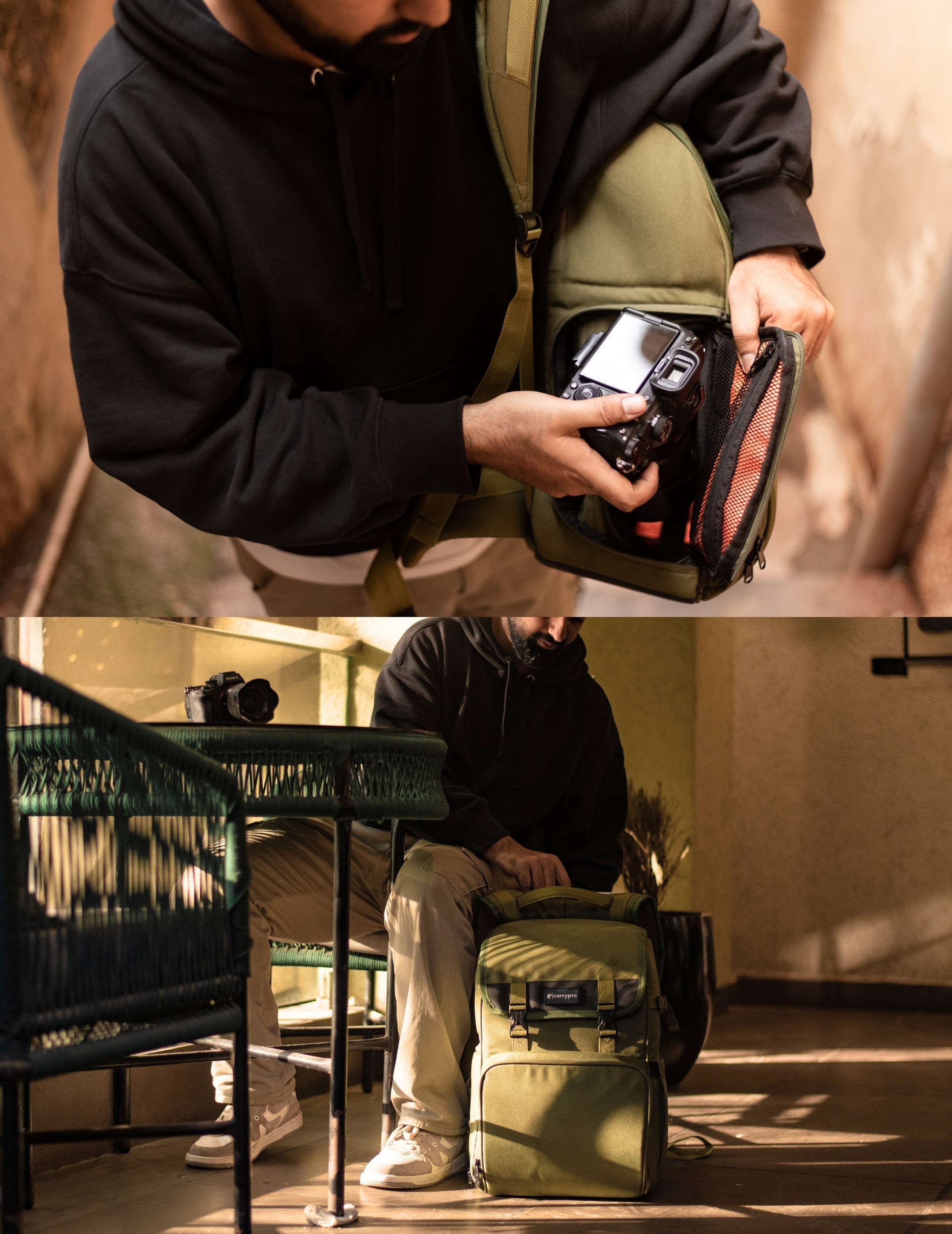
A travel camera bag has padded, adjustable dividers that create custom compartments for a camera body, lenses, and accessories. Regular bags lack internal padding and let gear bump against each other during transit. A good camera bag also provides quick access, allowing you to pull the camera out in seconds without setting the bag down or digging through clothes.
Water-resistant fabric matters more for camera bags than for regular travel bags. A sudden rain shower in Udaipur or mist on a Munnar hillside can damage a camera body worth ₹50,000 or more.
Camera Backpack, Sling Bag, or Insert: Which One Do You Need?
Each format serves a specific type of photographer and travel style. Here is a direct comparison.
| Feature | Camera Backpack | Camera Sling Bag | Camera Insert |
|---|---|---|---|
| Capacity | 1-2 bodies, 3-5 lenses, laptop | 1 body, 1-2 lenses | 1 body, 1-2 lenses |
| Quick access | Moderate (remove bag to access) | Fast (swing to front) | Depends on host bag |
| Comfort for long carries | High (two straps, hip belt) | Moderate (single strap) | Depends on host bag |
| Holds clothes and laptop | Yes | No | No (host bag does) |
| Best for | Multi-day trips, full gear kits | Street photography, day shoots | Photographers with a favourite non-camera bag |
| Weight when empty | 1.2-1.8 kg | 0.4-0.8 kg | 0.2-0.4 kg |
According to a 2024 survey by the Camera & Imaging Products Association (CIPA), mirrorless camera shipments now exceed DSLR shipments by more than 5 to 1 globally. Smaller mirrorless bodies mean camera slings and compact inserts have become practical alternatives to full-size camera backpacks.
When a Camera Backpack Is the Right Choice
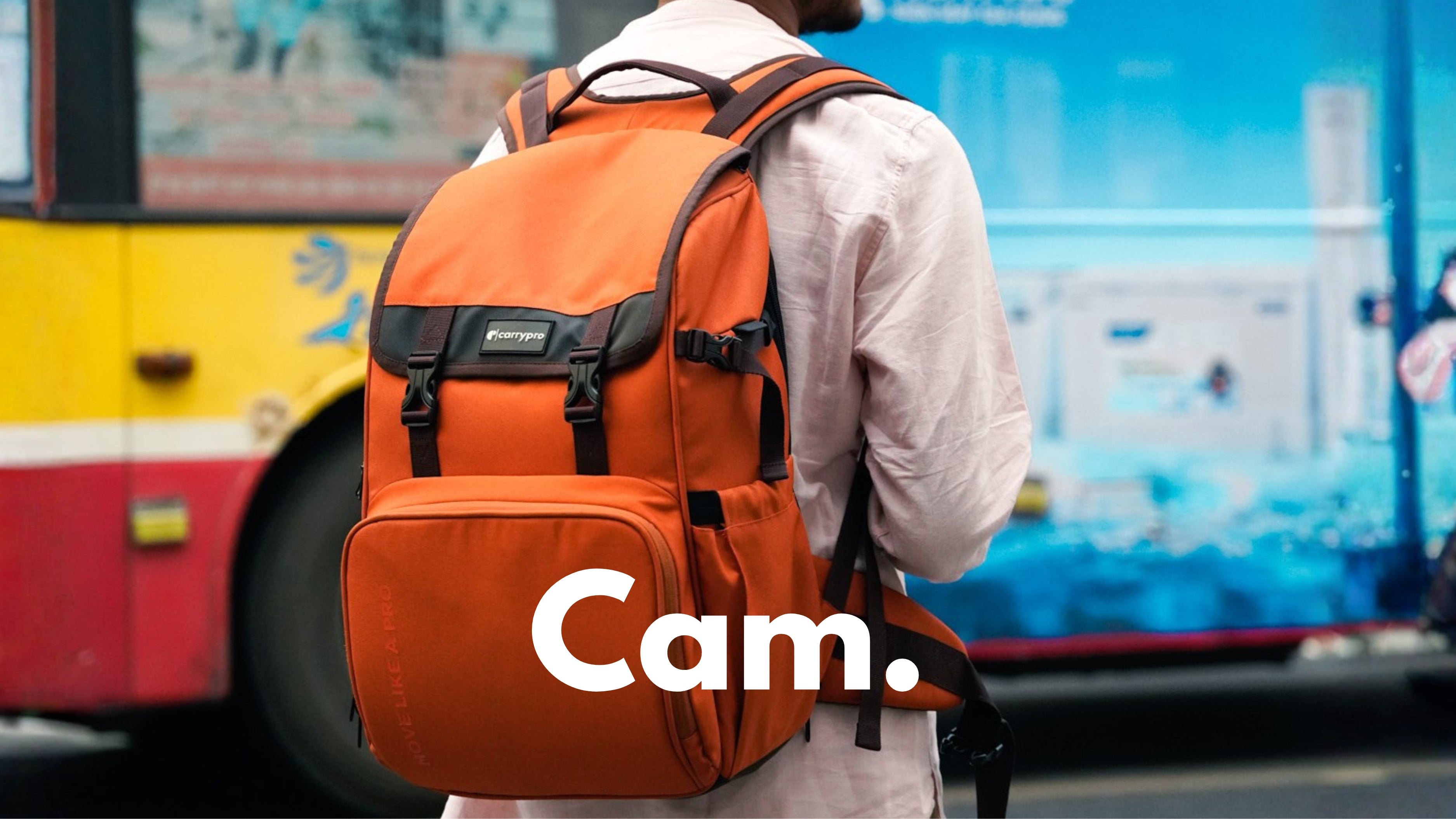
A camera backpack works best when you carry a full kit, including multiple lenses, a laptop for editing, and clothing for a multi-day trip. The two-strap design distributes weight evenly across both shoulders, which matters when carrying 5 to 8 kg of gear on a full shooting day.
What to Look for in a Camera Backpack
A dedicated, padded laptop compartment keeps the laptop separate from camera gear. A detachable camera cube lets you remove the camera section entirely and use the bag as a regular travel backpack on non-shooting days. Side access or rear access lets you pull the camera without opening the main compartment, which is faster and more secure in crowded locations.
The Pango camera backpack combines a detachable camera cube with a laptop compartment and enough room for clothes, making it a single bag for photographers who shoot and travel from the same pack. For a deeper look at bags that handle both camera gear and a laptop, the guide on camera bags that fit a laptop covers the key features to check.
When a Camera Sling Bag Is the Right Choice
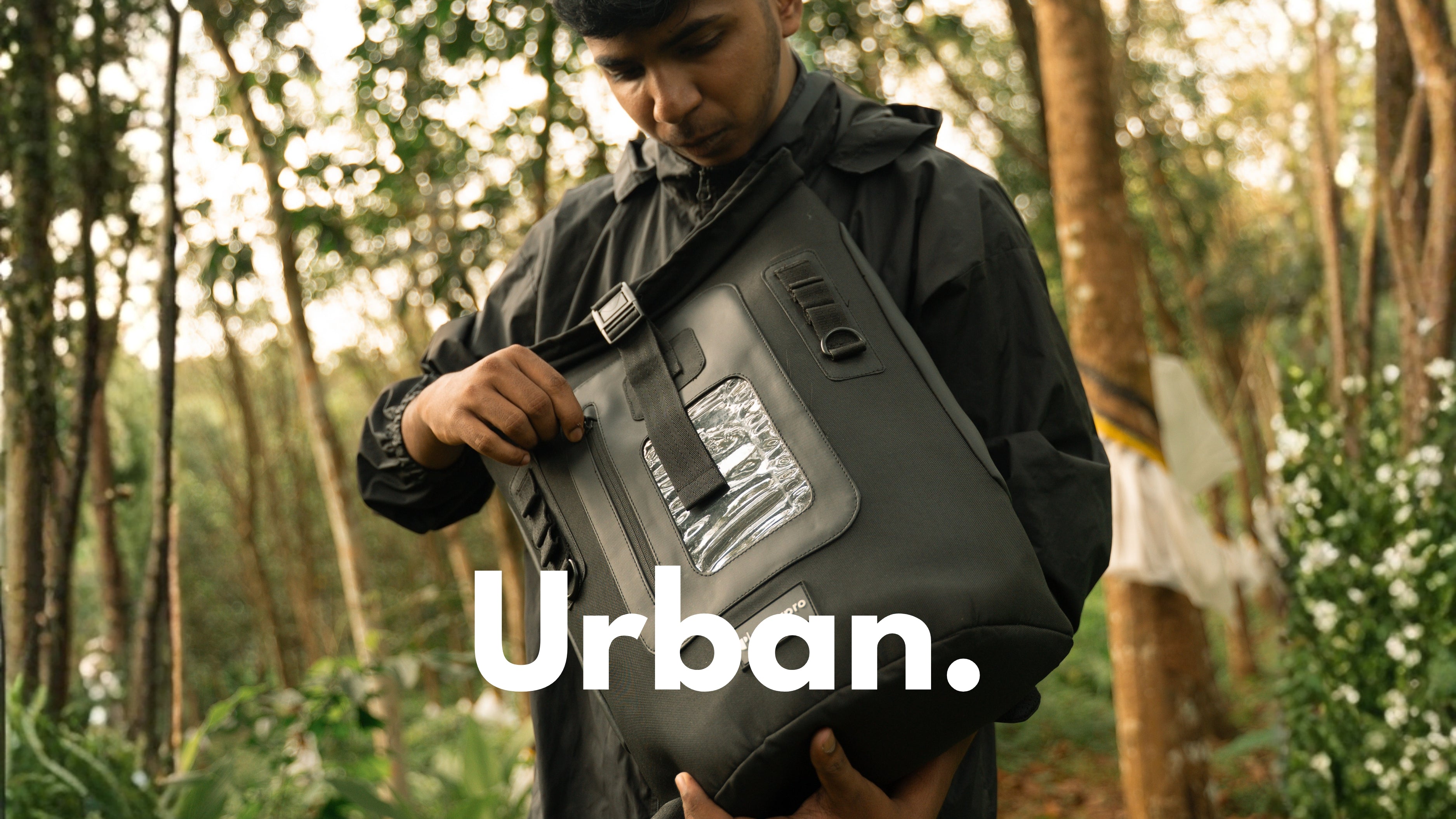
A sling bag sits across the body on a single strap and swings to the front for instant access. Street photographers, travel vloggers, and anyone who shoots frequently during the day benefit from a sling because the camera is accessible without removing the bag.
Ideal Sling Bag Setup
One camera body with a standard zoom or prime lens attached, plus one spare lens, a few batteries, and memory cards. A 10L sling holds this comfortably. Going beyond two lenses in a sling creates too much weight on one shoulder for extended use.
The Pro Camera Sling Bag at 10L fits a mirrorless body with two lenses and accessories, with customisable padded dividers and water-resistant fabric. For photographers who want to understand how sling bags work for quick camera access, a separate guide breaks down the technique.
When a Camera Insert Is the Right Choice
A camera insert is a padded, divided pouch that slides into any regular backpack, tote, or messenger bag. Photographers who already own a bag they love and do not want a dedicated camera bag benefit most from inserts. An insert turns a 40L travel backpack into a camera bag without changing the bag itself.
How Inserts Work
Removable padded dividers inside the insert create custom slots for a camera body and lenses. On non-shooting days, pull the insert out and use the backpack normally. On shooting days, drop it in and the bag becomes camera-ready. A guide on camera inserts that turn any backpack into a camera bag covers sizing, placement, and which inserts fit which bags.
How to Choose Based on Your Trip
Match the bag format to the trip type, not to the gear you own.
City and Street Photography Trips
A sling bag keeps the camera accessible during long walking days. Lightweight, low-profile, and fast to access. No need for a full backpack if the gear kit is minimal.
Multi-Day Adventure or Travel Photography Trips
A camera backpack with a laptop compartment handles gear, clothes, and editing in one bag. A single bag that doubles as both travel luggage and camera protection reduces the total number of bags you carry.
Day Trips From a Base Location
A camera insert inside a daypack works when you leave most gear at the hotel and take only one body and one lens out for the day.
Carry the Right Bag for the Shot
The best camera bag is the one that matches how you actually shoot, not the one with the most compartments or the highest price. Street shooters need a sling. Travel photographers need a backpack. Casual shooters need an insert. Browse the camera backpack collection or the camera sling collection and pick the format that fits your next trip.
Recommended collections from this guide:
- Camera backpacks — most popular
- 40L travel backpacks — best for cabin
- Carry-on backpacks — airline-friendly
- Everyday backpacks — daily commute
- Digital nomad backpacks — work-from-anywhere
Frequently Asked Questions
What is the best type of camera bag for travel?
A camera backpack is best for multi-day trips with full gear. A sling bag is best for day shoots and street photography. A camera insert works for casual photographers who want to use their existing bag.
Can a camera sling bag hold a DSLR?
Yes, most 8 to 10L camera slings hold a DSLR with a standard zoom lens. Larger DSLRs with telephoto lenses need a camera backpack for comfortable carrying.
Should I buy a camera backpack or a regular backpack with an insert?
A camera backpack offers better padding and dedicated access points. An insert inside a regular backpack offers more flexibility for days when you are not shooting. Photographers who shoot every day benefit from a dedicated camera backpack.
How much does a camera backpack weigh when loaded?
A typical mirrorless kit (one body, two lenses, accessories, laptop) weighs 4 to 6 kg. Adding clothes for a multi-day trip brings the total to 7 to 9 kg.
Are camera sling bags safe for expensive gear?
Yes, when the sling has padded dividers and water-resistant fabric. Wearing the sling across the front of the body in crowded areas adds security against theft.
Can I use a camera insert in any backpack?
Most camera inserts fit backpacks of 20L and above. Measure the internal dimensions of your backpack and compare them to the insert dimensions before purchasing.