


A first flight is exciting until you realise you forgot your charger in the check-in bag, your earbuds are buried under three layers of clothes, and your neck has no support for a 3-hour seat. Packing the right travel essentials in the right bag, within arm's reach during the flight, turns the experience from stressful to smooth.
Every item on this list earns its spot by solving a specific problem that first-time flyers commonly face. No filler. No "nice to have" accessories. Just the 10 things that make the difference between a comfortable flight and a frustrating one.
Essential 1: A Cabin-Friendly Backpack
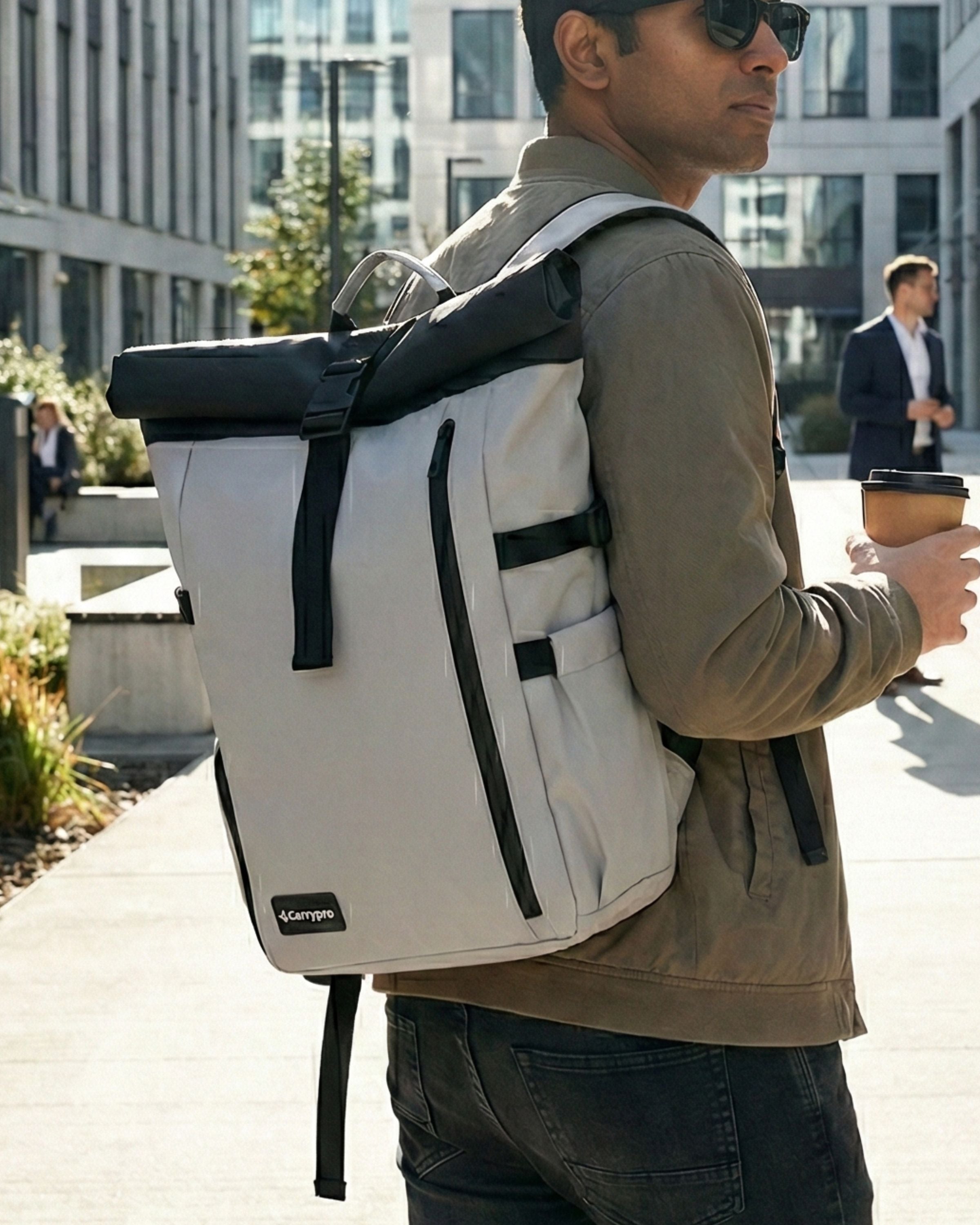
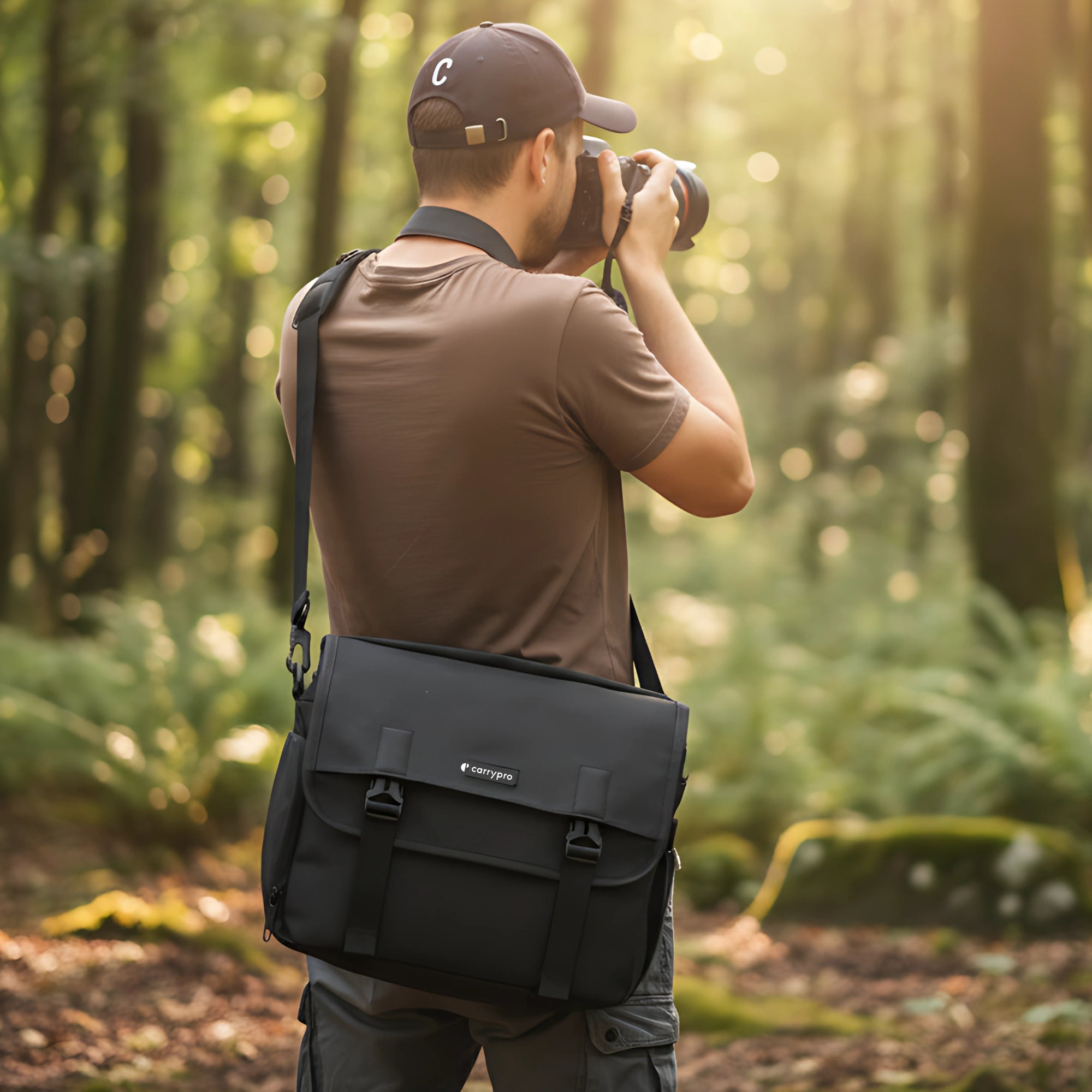
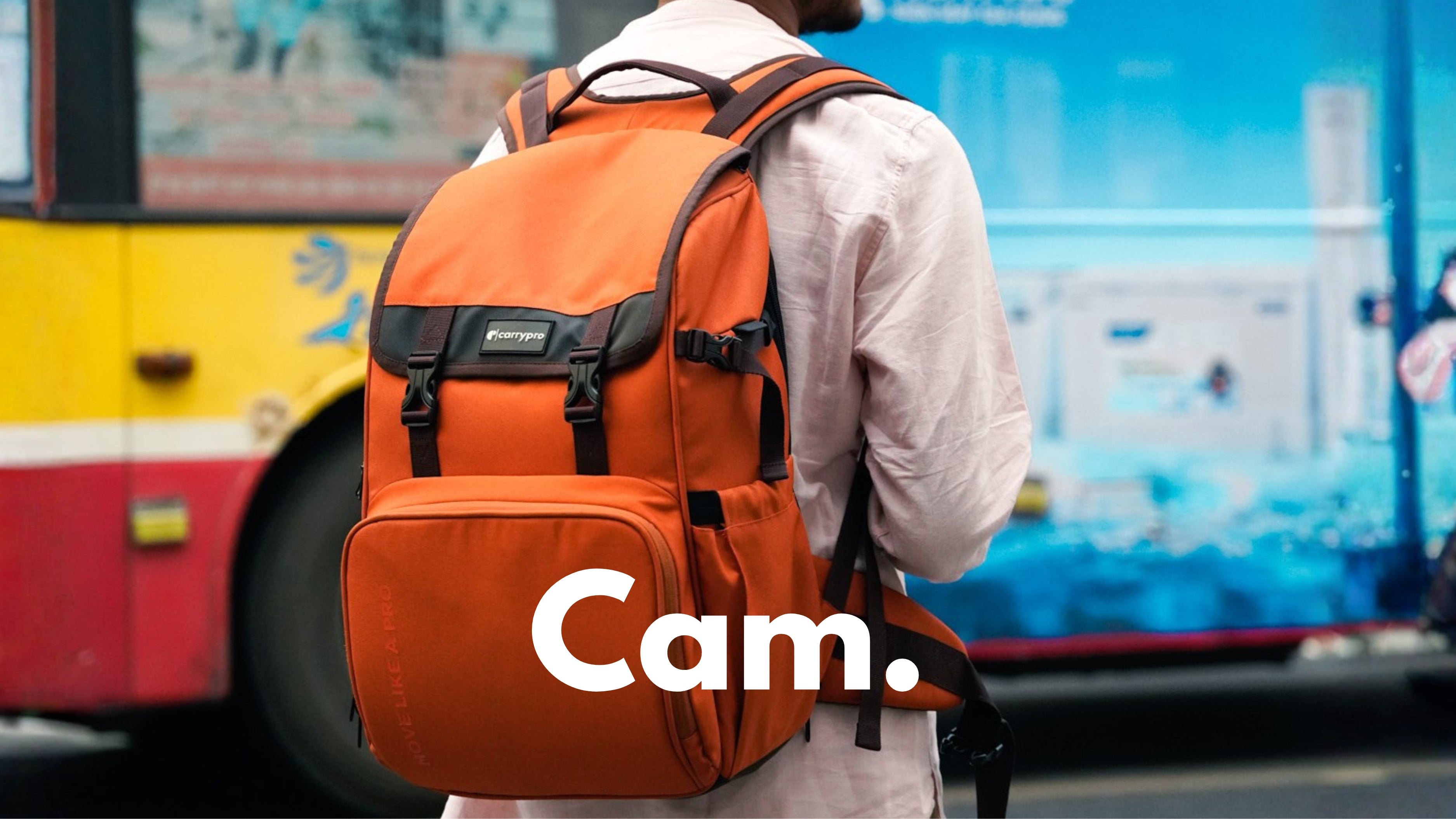
Everything starts with the bag. A backpack that fits under the seat or in the overhead bin keeps all essentials accessible during the flight. Most Indian airlines allow a cabin bag up to 55 x 35 x 25 cm and 7 kg. A 20 to 25L everyday backpack fits within these limits comfortably while holding all nine remaining items on this list.
Choosing the right backpack size before the first flight prevents the common mistake of bringing a bag that is too large for the overhead bin or too small to hold essentials.
Essential 2: Travel Documents in a Quick-Access Pocket
Boarding pass (digital or printed), government photo ID (Aadhaar card or passport for domestic, passport for international), and any hotel or booking confirmations. Keep all documents in the front pocket of the backpack or in a slim document organiser, not buried inside the main compartment.
First-time flyers underestimate how many times they need to show ID between entering the airport and boarding the plane. Security check, boarding gate, and sometimes at the airline counter all require quick document access.
Essential 3: A Power Bank and Charging Cable
Airport charging stations are unreliable. Some are broken, some are occupied, and some are located far from your gate. A power bank rated at 10,000 to 20,000 mAh keeps the phone alive through check-in, boarding, the flight, and the cab ride at the destination.
Power banks must travel in cabin baggage only. Checking them in is not allowed on any Indian airline. According to DGCA regulations, power banks above 100 Wh (roughly 27,000 mAh) require airline approval, and anything above 160 Wh is prohibited entirely. A tech kit organiser keeps the power bank, cables, and earbuds tangle-free inside the bag.
Essential 4: Earbuds or Headphones
Aircraft cabin noise sits between 80 and 85 decibels on most domestic flights. Noise-cancelling earbuds reduce that to a manageable level and make announcements, music, and movies actually audible. Even basic earbuds are better than nothing during a 2 to 3 hour flight.
Wireless earbuds are allowed during the flight once the aircraft reaches cruising altitude (after the crew announces that personal electronic devices can be used). Wired earbuds work at any point during the flight.
Essential 5: A Reusable Water Bottle (Empty)
Airport security does not allow liquids above 100 ml through the checkpoint. Carrying a full water bottle means either drinking it all before security or discarding it. An empty reusable bottle passes through security without issues. Fill it at a water fountain or food court after crossing the checkpoint.
Staying hydrated during flights matters more than most first-time flyers expect. Cabin air humidity drops to about 10 to 20%, which is drier than most deserts. A 500 to 750 ml bottle refilled after security lasts through the flight.
Essential 6: A Clear Toiletry Bag for Liquids
All liquids in cabin baggage must fit in containers of 100 ml or less, packed inside a single clear, resealable plastic bag no larger than one litre. Hand sanitiser, moisturiser, lip balm, and eye drops all count. A compact travel toiletry kit holds all of these in one place and speeds up the security screening process.
First-time flyers often forget that toothpaste, sunscreen, and deodorant count as liquids under airport rules. Packing full-size versions guarantees confiscation at the checkpoint.
Essential 7: A Neck Pillow or Scarf
Economy seats on domestic Indian flights have minimal head support. A compact neck pillow prevents the head from dropping sideways during a nap. Inflatable neck pillows pack flat and take almost no space in the bag. A folded scarf or hoodie wrapped around the neck achieves a similar effect at zero extra cost.
Essential 8: Snacks
Domestic flights under 2 hours rarely include a meal. Budget airlines charge for food, and the options are limited. Packing dry snacks like energy bars, nuts, or biscuits ensures you eat on your schedule rather than waiting for a cart that may not come.
Airport food is expensive. A ₹200 sandwich at the terminal costs ₹40 at the store near your home. Packing snacks before leaving saves money and guarantees a familiar option.
Essential 9: A Thin Jacket or Hoodie
Aircraft cabins are air-conditioned to temperatures between 22 and 24 degrees Celsius. For passengers coming from 35 to 40 degree outdoor heat, the cabin feels cold within minutes. A thin jacket or hoodie worn during the flight and packed in the bag during transit solves this without wasting luggage weight. Wearing the jacket through the terminal also frees up space inside the bag for other items.
Essential 10: Packing Cubes for Checked Baggage
First-time flyers checking in a bag often pack clothes loose, making unpacking at the hotel a scattered mess. Packing cubes divide the checked bag into organised sections: one cube for tops, one for bottoms, one for undergarments. Compression cubes squeeze out trapped air and recover 20 to 30% of space, leaving room for souvenirs on the return trip.
A step-by-step method for how to pack a travel backpack efficiently covers the full system for first-time and experienced packers.
Ready to Board?
A first flight does not need to be overwhelming. Pack these 10 essentials in a cabin-friendly bag, keep documents and electronics in quick-access pockets, and walk through the airport with confidence. Check the travel accessories collection for the organisers, cubes, and pouches that keep everything in place from departure to arrival.
Recommended collections from this guide:
- Camera backpacks — most popular
- 40L travel backpacks — best for cabin
- Carry-on backpacks — airline-friendly
- Everyday backpacks — daily commute
- Digital nomad backpacks — work-from-anywhere
Frequently Asked Questions
What should a first-time flyer pack in cabin baggage?
A cabin bag should hold travel documents, phone charger and power bank, earbuds, a reusable water bottle (empty), a clear toiletry bag, snacks, and a thin jacket. Keep everything in a backpack that fits overhead bin dimensions.
Can I carry a power bank in checked baggage?
No. Power banks must travel in cabin baggage only. Checking in a power bank is not allowed on any Indian airline due to lithium battery safety regulations.
How many liquids can I carry in my cabin bag?
Each liquid container must be 100 ml or less. All containers must fit inside one clear, resealable plastic bag no larger than one litre. One bag per passenger.
Do I need to print my boarding pass?
Most Indian airlines accept digital boarding passes on a phone. However, printing a backup copy is recommended for first-time flyers in case the phone battery dies or the airport Wi-Fi is unreliable.
What snacks are allowed on Indian domestic flights?
Dry snacks like energy bars, nuts, biscuits, sandwiches, and fruit are allowed. Liquids above 100 ml (juices, soups) are not allowed through security but can be purchased after the checkpoint.
What size backpack fits as cabin baggage on Indian flights?
A backpack measuring under 55 x 35 x 25 cm and weighing under 7 kg fits cabin limits on IndiGo, SpiceJet, and Akasa Air. Air India allows slightly larger dimensions at 55 x 40 x 20 cm.