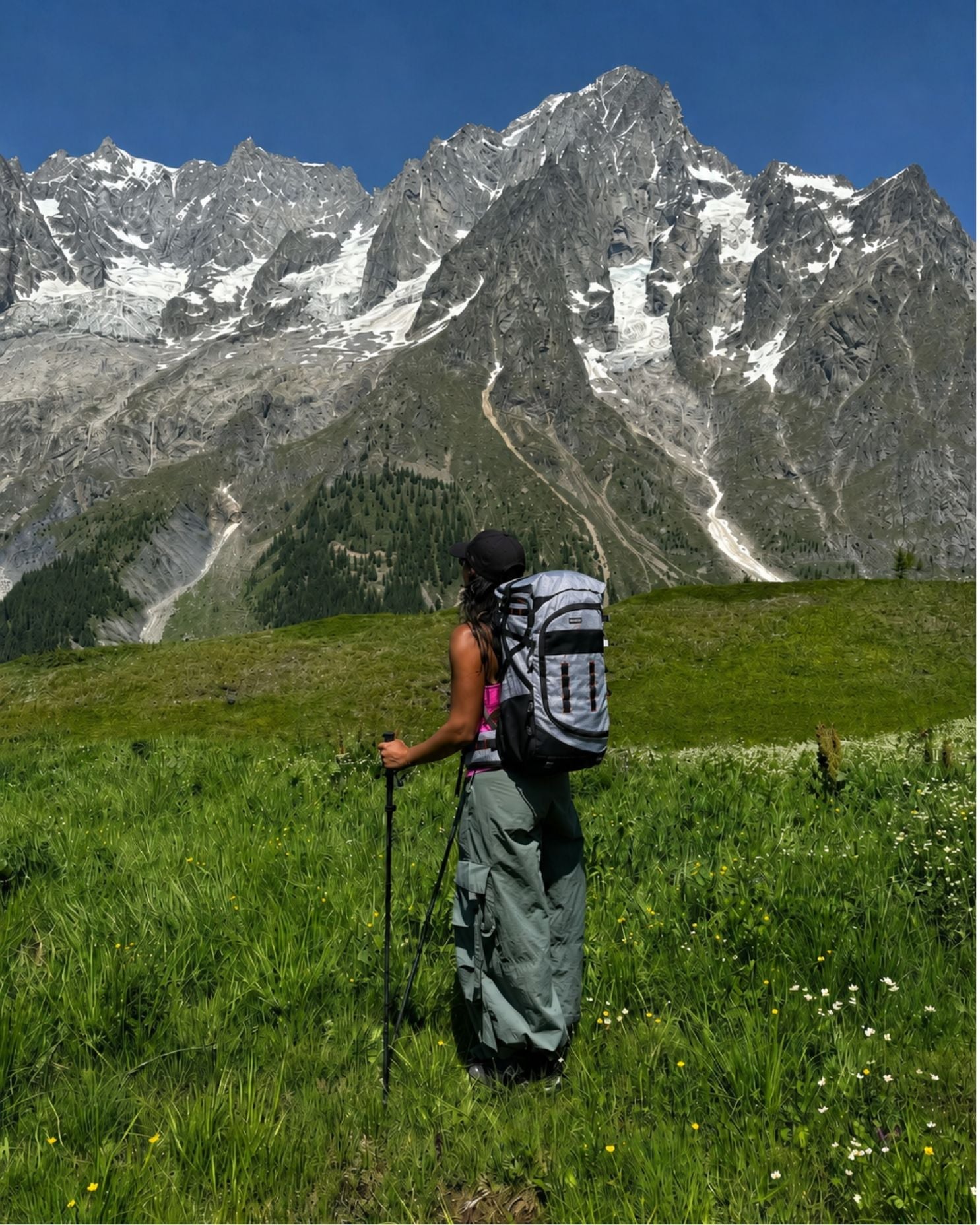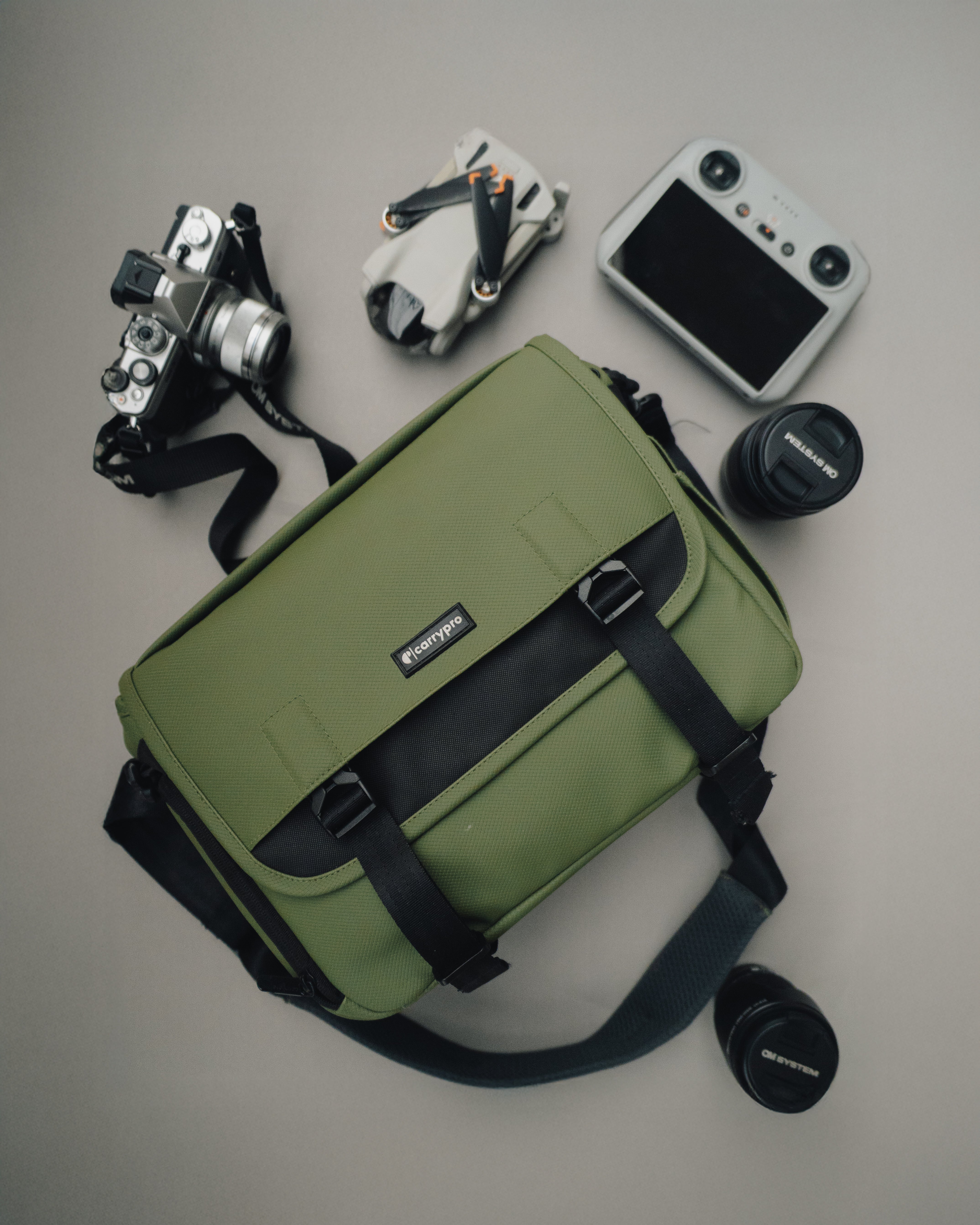
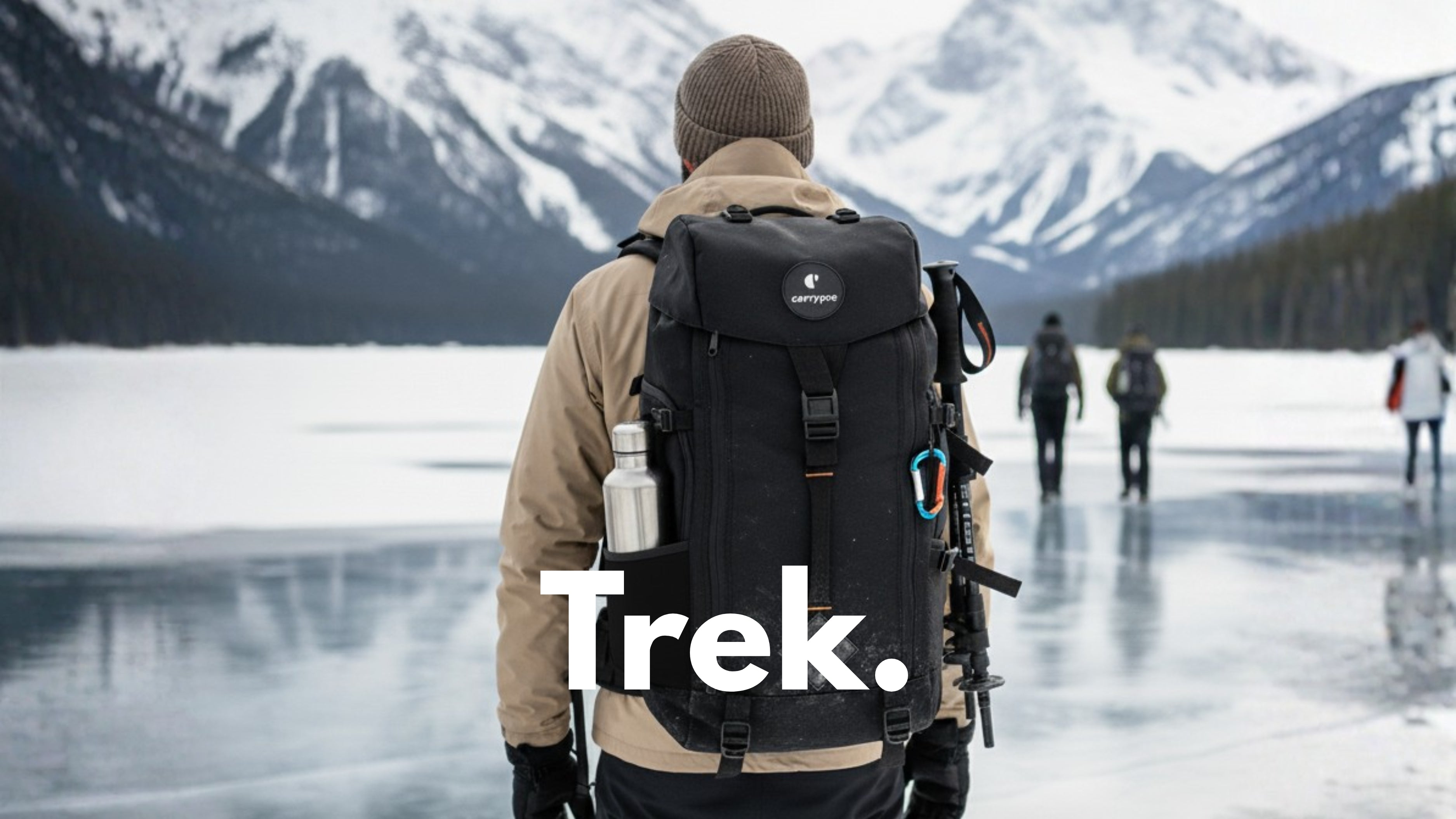
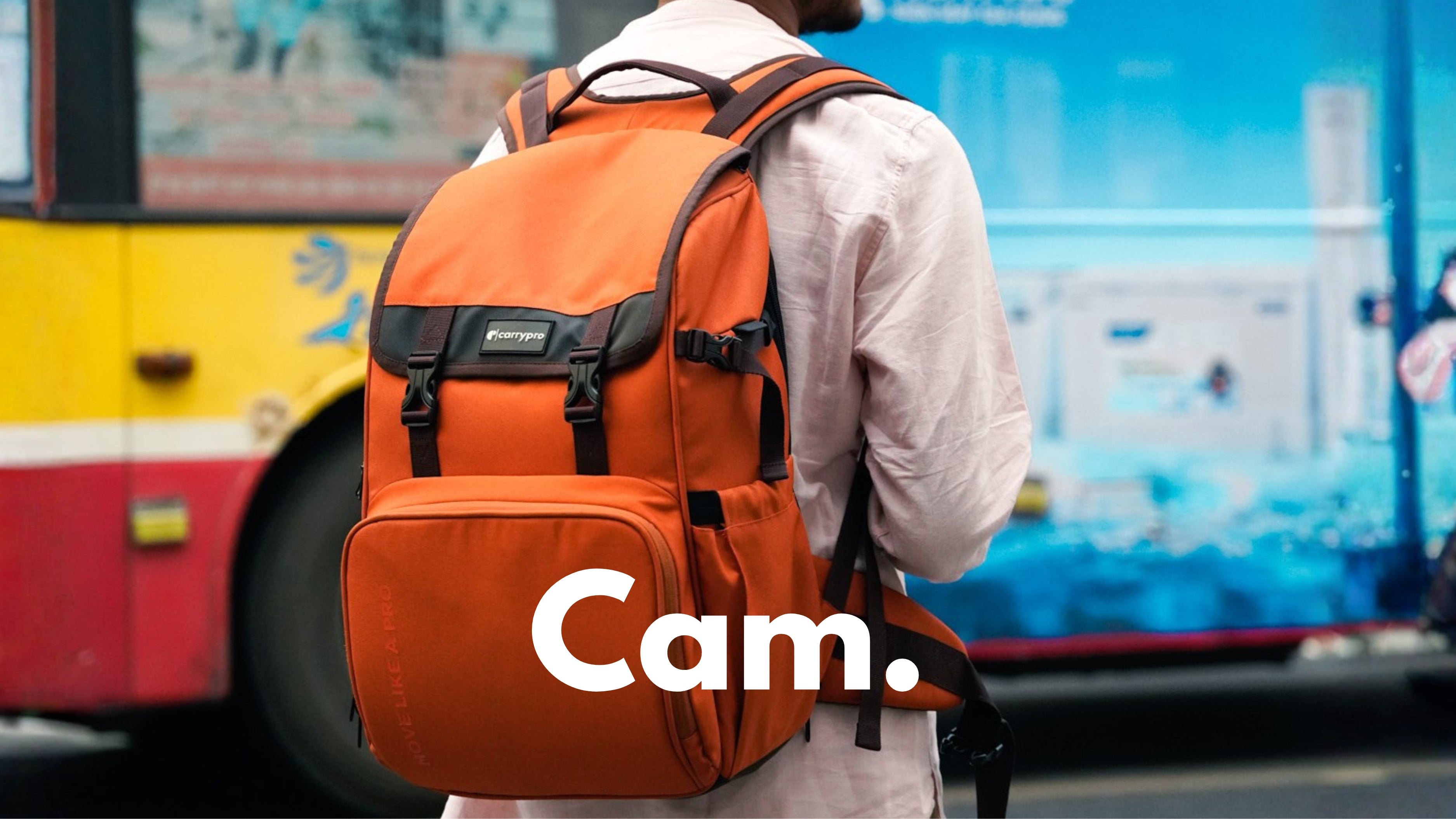
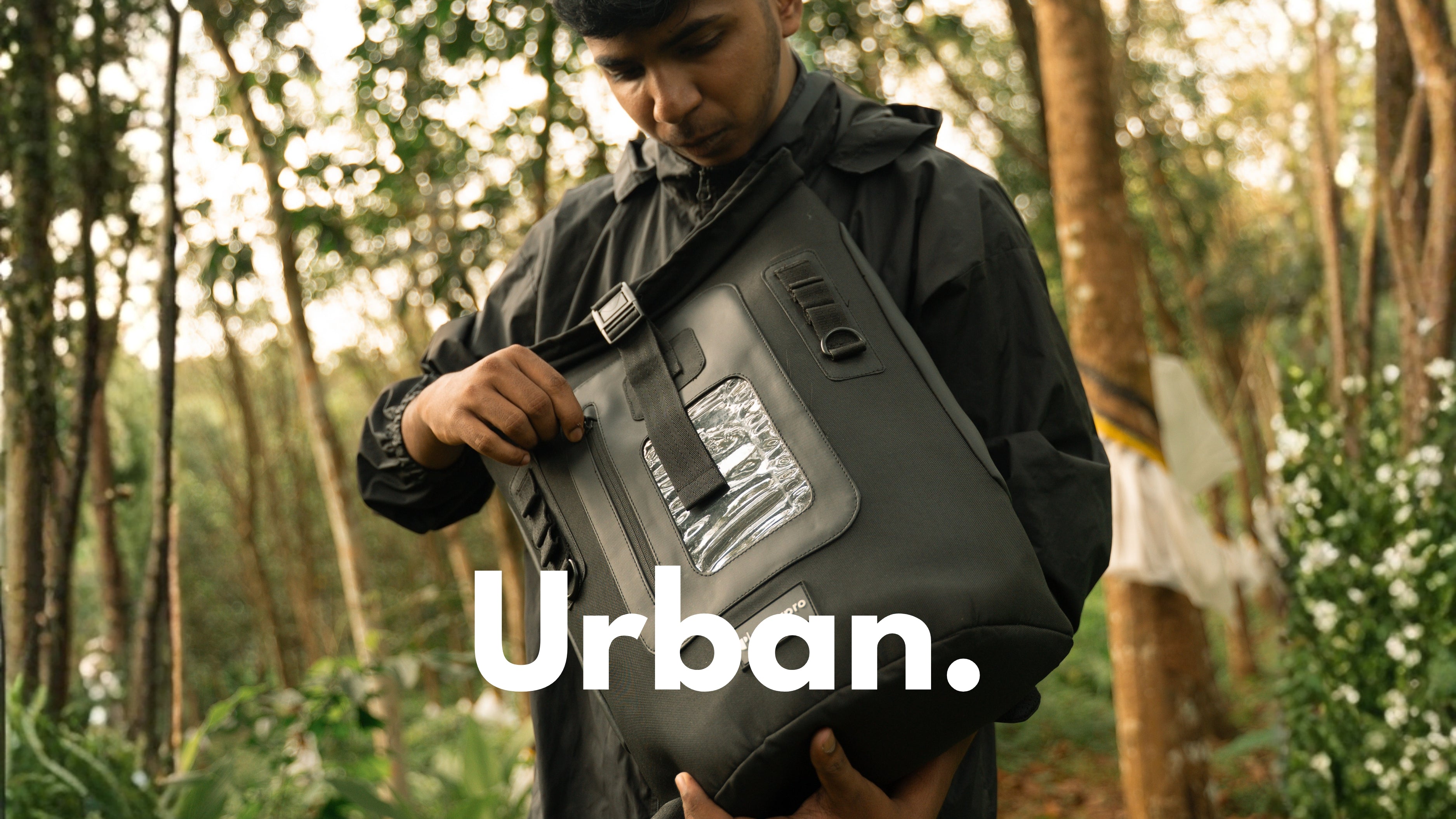


India is not one trip. A Himachal circuit through Manali, Kasol, and Spiti moves nothing like a Rajasthan loop through Jaisalmer, Jodhpur, and Udaipur. The transport, the terrain, the weather, and the bag you need all change with the route.
Most backpacking India guides list thirty cities in one flat itinerary. That approach ignores the fact that distances are massive, seasons dictate access, and the gear that works in Kerala backwaters does not survive a Spiti pass.
Our planner breaks India into four distinct circuits. Each one covers timing, transport, key stops, and the bag size that actually fits the route.
The Himachal circuit: mountains, hostels, and trail culture
This is the most popular backpacking route in North India. It runs through mountain towns connected by state buses, shared taxis, and the occasional narrow-gauge train.
Route and timing
Delhi to Manali to Kasol to Dharamshala to Bir. Add Spiti Valley as an extension if you have three weeks. The window runs from mid-April through late June, then September through October. July and August bring monsoon landslides that close roads unpredictably.
Manali to Kasol takes five hours by bus. Kasol to Dharamshala runs about eight hours with a connection in Bhuntar. Dharamshala to Bir is a three-hour taxi ride or a day if you take local buses.
What to carry
This circuit crosses altitudes from 1,200 to 4,500 metres. You need warm layers, rain gear, and trekking shoes alongside regular travel clothing. A 65L backpack like the NOMAD handles the full loadout for trips over ten days. For a week or under, a 40L HOBO40 works if you pack tight with packing cubes.
The rain cover is essential from June onward. Himachal rain arrives without warning and lasts hours, not minutes.
The Rajasthan circuit: desert, heritage, and long-haul buses
Rajasthan is flat, hot, and well-connected by train. The circuit runs through fort cities, desert camps, and lakeside towns that feel like they belong in a different century.
Route and timing
Delhi to Jaipur to Pushkar to Jodhpur to Jaisalmer to Udaipur. Two to three weeks covers the full loop. October through February is the best window. March onward brings heat above 40 degrees, and summer months are genuinely dangerous for outdoor exploration.
Trains connect every major city. The Jaipur-Jodhpur run takes five hours. Jodhpur-Jaisalmer is another five by train or six by bus. Jaisalmer to Udaipur runs ten to twelve hours by bus since there is no direct train.
What to carry
Rajasthan travel is lighter than mountain circuits. You do not need thermal layers or trekking shoes. Cotton clothing, a sun hat, sunscreen, and a refillable water bottle cover most days. A 30L Overnighter handles a one-week circuit comfortably. Two weeks or longer warrants a 40L bag.
A sling bag is more useful here than in the mountains. Fort cities involve long walking days where you leave the main bag at the hostel and carry only essentials.
For a size comparison to help decide between bags, the size guide shows exactly what fits inside each capacity.
The South India circuit: backwaters, temples, and coast
South India runs slower, greener, and more humid than the north. Transport is better organised but distances between highlights are longer than they look on a map.
Route and timing
Bangalore or Kochi as entry. Then Alleppey for backwaters, Varkala or Kovalam for coast, Munnar for hills, Hampi for ruins, and Pondicherry for a change of pace. Two to four weeks depending on how many stops you include.
November through February is the dry window. Monsoon runs June through September and makes some hill roads impassable but transforms the landscape into something extraordinary for photographers willing to get wet.
What to carry
Humidity is the defining factor. Cotton and quick-dry fabrics replace synthetic layers. A rain jacket is essential even outside monsoon because afternoon showers hit without warning in Kerala.
A 40L backpack handles most South India circuits. You do not need cold-weather layers unless you add Munnar or Ooty to the itinerary, and even then a single fleece covers it. Pack a toiletry kit to keep liquids and toiletries separate from electronics in humid conditions.
Houseboat stays in Alleppey and beach towns in Varkala are low-infrastructure. A bag that opens flat like a suitcase is more practical than a top-loader in tight cabin spaces.
The Northeast circuit: offbeat, remote, and underrated
Northeast India is the least-travelled backpacking route in the country. Fewer hostels, fewer tourists, more permits, and significantly more natural beauty than most travellers expect.
Route and timing
Guwahati to Shillong to Dawki to Cherrapunji to Kaziranga. Extend to Tawang in Arunachal Pradesh if you have permits and three weeks. October through April is the window. Monsoon hits the Northeast harder than anywhere else in India, and road access becomes unreliable from June through September.
Transport is mostly shared taxis and state buses. Distances are shorter than Rajasthan but roads are slower, so travel times feel longer. A Guwahati-Shillong run takes three hours. Shillong to Dawki takes about two hours.
What to carry
Layering matters here. Mornings in Shillong and Cherrapunji start cool, afternoons warm up, and evenings can drop sharply. Rain gear is mandatory even outside monsoon months because the region's name literally means the wettest place on earth.
A 40L backpack is the right size for most Northeast circuits. A 65L is only necessary if you are combining the Northeast with another region in the same trip. Keep your bag compact because shared taxis pack tight and luggage space is limited.
Carry a physical copy of all permits. Phone network coverage is patchy in Arunachal and parts of Meghalaya.
Choosing the right route comes down to what you carry
Every backpacking India route demands a different loadout. Himachal needs cold-weather layers and a larger bag. Rajasthan needs sun protection and a lighter pack. South India needs humidity-ready gear. The Northeast needs rain-readiness and flexibility.
The trip you take determines the bag you carry, not the other way around. Start with the route, check the season, and then pick the size and system that fits.
For a full breakdown of which bag suits which trip length, the travel backpack guide matches every CarryPro bag to the trips Indian travellers actually take.
Frequently asked questions
What is the best backpacking route in India for beginners?
Rajasthan is the most beginner-friendly circuit. Transport is reliable, hostels are well-established, food is accessible, and the terrain is flat. The Golden Triangle alone (Delhi, Agra, Jaipur) works as a five-day starter route.
How long do I need for a full backpacking India trip?
Three to four weeks covers one full circuit comfortably. Combining two circuits, such as Himachal plus Rajasthan, requires five to six weeks with travel days between regions.
Is solo backpacking safe in India?
Yes, with standard precautions. Rajasthan, Himachal, Kerala, and the Northeast are all well-travelled solo routes. Stick to established hostel networks like Zostel and Moustache. Keep valuables in a sling bag on your body during transit.
What bag size do I need for backpacking India?
It depends on the route. One to two weeks in Rajasthan or South India works with a 30L to 40L bag. Multi-climate trips or circuits longer than two weeks need 65L. The 45L vs 65L comparison in the backpack size guide covers the decision in detail.
When is the best time to go backpacking in India?
October through March is the overall best window. Rajasthan and South India peak in winter months. Himachal opens in April and again in September. Northeast India is best from October through April.
Do I need permits for backpacking in India?
For most routes, no. But Spiti Valley requires an Inner Line Permit for areas near the border. Arunachal Pradesh requires a Protected Area Permit for all visitors. Ladakh requires permits for Pangong Tso, Nubra Valley, and Tso Moriri. Carry photocopies.