

Trail running swaps the pavement for dirt, and it changes everything about a run. The ground shifts under you, the pace slows, and the view keeps changing. For a lot of runners, one trail is all it takes to get hooked.
Getting started is simpler than it looks. Trail running in India can begin on a gravel path in a city park before it ever reaches a mountain. The guide below covers how to start, where to run, what to carry, and how to stay safe once you leave the road.
What is trail running?
Trail running is running off-road on natural terrain: dirt paths, forest trails, gravel roads, and hills. Unlike road running, the surface is uneven and always changing, so you adapt your stride to the ground as you go. Speed matters less than staying steady on your feet.
The mindset shift is the first thing to understand before you head out.
How trail running differs from road running
Trail running is slower than road running for the same distance, because rough ground and climbs engage muscles road running does not. Walking the steep sections is normal, even for experienced runners. Keep your eyes on the trail a few steps ahead and shorten your stride to stay balanced. For a broader look at carrying essentials on any run, this guide on what to carry on a run covers the basics.
How do you start trail running in India?
Start on easy, low-commitment trails close to home, and build up slowly. A gravel road or a park loop teaches your body the terrain without much risk. Ease into distance and difficulty over weeks, not days.
The most common beginner mistake is going too far, too technical, too soon.
Begin on easy trails
Look for city or state parks, nature trails, and quiet gravel roads near you. Low-stakes routes like these are the best place to get used to uneven ground and test your gear before heading somewhere remote.
Build distance slowly
Trail running taxes your body more than the same distance on road. Start with shorter runs than your road distance, and add time gradually as your ankles and legs adapt to the terrain.
Walk the steep sections
Walking uphill is part of trail running, not a failure at it. Even seasoned trail runners hike the steep climbs and save their energy for the runnable stretches. Pace yourself and enjoy the surroundings.
Where can you trail run in India?
Trail running in India ranges from urban parks to the Western Ghats and the Himalayan foothills. Beginners start on city trails and gravel, then move to hill stations and forest routes as they build confidence. The terrain decides the challenge more than the distance.
You do not need mountains to start, only a stretch of trail off the road.
City parks and gravel roads
Most Indian cities have parks, lake loops, and gravel stretches that make a gentle introduction to off-road running. Routes like these let you practise close to home and fit runs into a normal week.
Hills, forests, and the Ghats
As you build up, hill stations, forest trails, and the Western Ghats offer longer and more scenic routes. Higher and more remote runs need more water, more layers, and more planning, so treat them as a step up rather than a starting point.
What gear do you need for trail running?
The one essential is a pair of trail running shoes, which grip loose and rocky ground that road shoes cannot. Beyond that, add water and a way to carry it as your runs get longer. Keep it simple at the start.
Trail shoes are the one item worth buying first, since traction is what keeps you upright.
Start with trail shoes
Trail running shoes have deeper tread and more protection than road shoes, which matters on wet rock and loose dirt. Begin with a pair suited to easy trails, then move to more technical shoes as your terrain gets harder.
Carry water as runs get longer
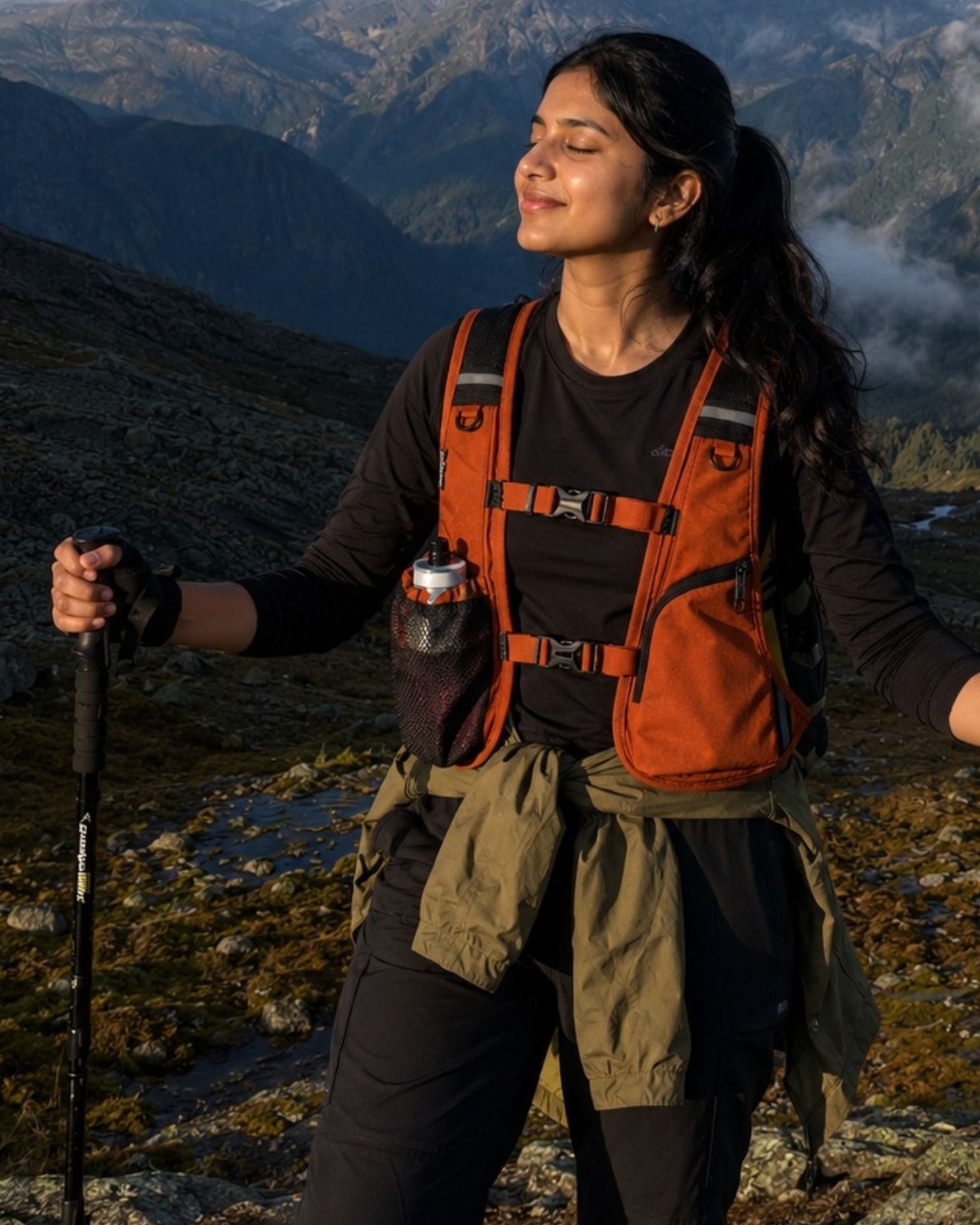
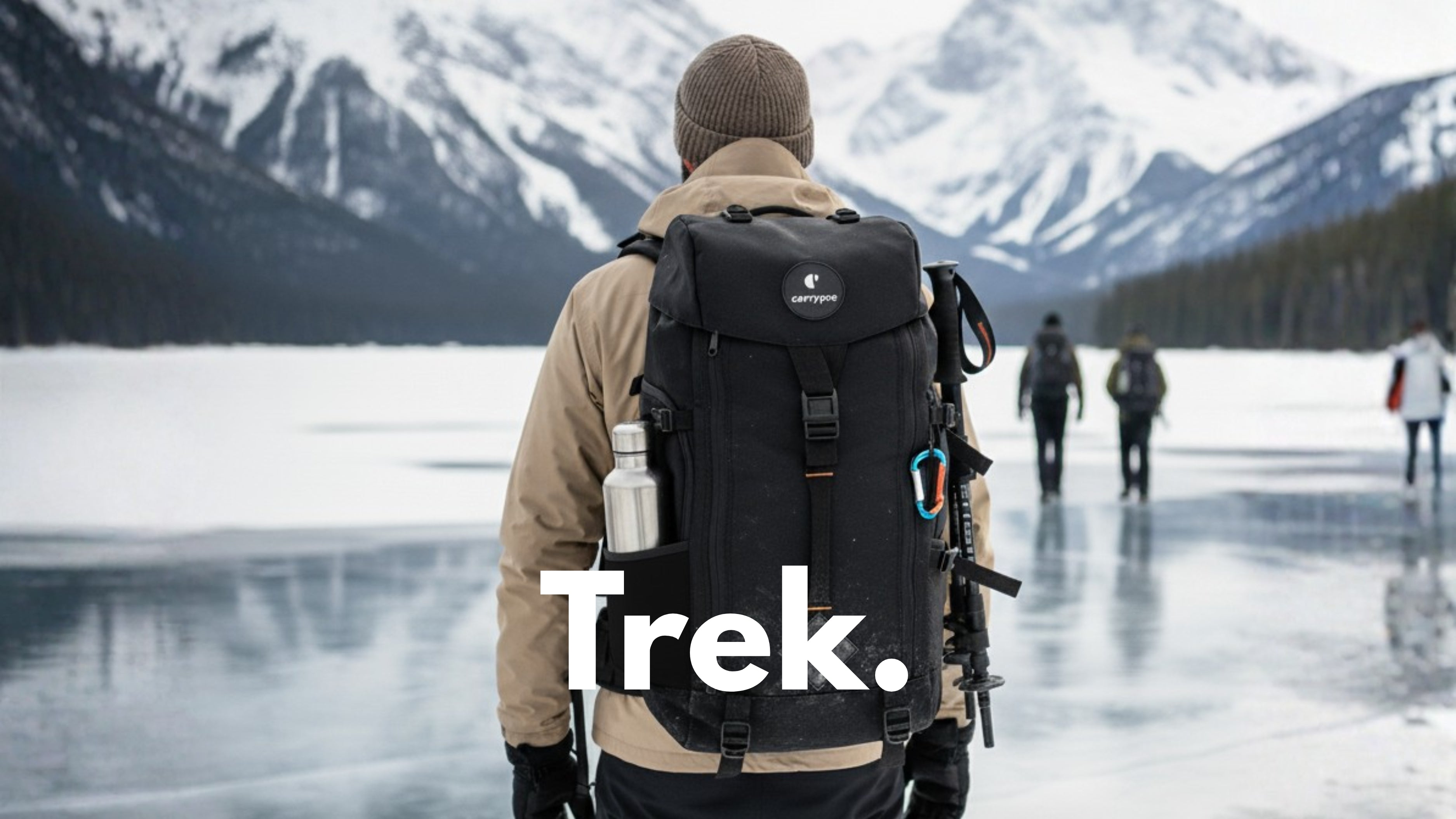
Water is a must for all but the shortest trail runs. A running hydration vest with soft flasks suits most trail runs, and a 2L hydration bladder covers long, hot sections between water sources. For longer routes with a jacket and snacks, a trail hiking backpack gives you the room. See how a bladder helps on the move in this guide on how hydration bladders work.
Add layers and small essentials
Carry a packable shell for changing weather, plus a phone, a small first aid kit, and fuel for longer runs. Browse the running collection for vests and belts that carry it all without bounce.
How do you stay safe on the trail?
Trail safety comes down to preparation and respect for the route. Tell someone where you are going, carry water and a charged phone, and start with easy trails you can handle. Good habits matter more on the trail than on the road.
A few simple rules keep trail running fun and low-risk.
-
Stay on marked trails and avoid shortcuts
-
Give way to uphill runners, and be considerate of hikers and cyclists
-
Carry a phone, water, and a small safety kit on all but the shortest runs
-
Check the weather and the route before you head out
-
Follow leave-no-trace: carry out everything you carry in
The trail is waiting, so lace up
The first trail run is the one that changes how you see running, where every minute brings new ground and a new view. Start small, carry what you need, and let the trail pull you back for the next one. Pick an easy route near you this weekend and just go.
Frequently Asked Questions
Is trail running good for beginners?
Yes. Trail running suits beginners who start on easy, flat trails and build up slowly. Begin on gravel roads or park paths, run shorter than your road distance at first, and walk the steep sections. The terrain does more of the work than raw speed.
Do I need special shoes for trail running?
Yes. Trail running shoes have deeper tread and more protection than road shoes, which keeps you stable on loose dirt and wet rock. Road shoes lack the grip for uneven ground, so trail shoes are the one gear item worth buying first.
How much water should I carry for a trail run?
Carry water for all but the shortest trail runs, and more in heat. A soft flask or a small vest suits short runs, while a 2L hydration bladder covers long runs and hot sections where water sources are scarce. Sip steadily rather than waiting until you are thirsty.
How is trail running different from road running?
Trail running is slower and more demanding for the same distance, because uneven ground and climbs use muscles road running does not. You adapt your stride to the terrain, watch the ground ahead, and walk the steep bits. The variety is what makes it engaging.
Where can beginners trail run in India?
Beginners can start in city parks, on lake loops, and on quiet gravel roads before moving to hill stations, forest trails, and the Western Ghats. Easy local routes let you learn the terrain and test your gear close to home before heading somewhere remote.
What should I carry on a trail run?
Carry water, a phone, a packable shell, fuel for longer runs, and a small first aid kit. A running vest or a small trail pack holds it all without bounce. Match the carry to the run: a vest for most trails, a small pack for longer routes with more gear.