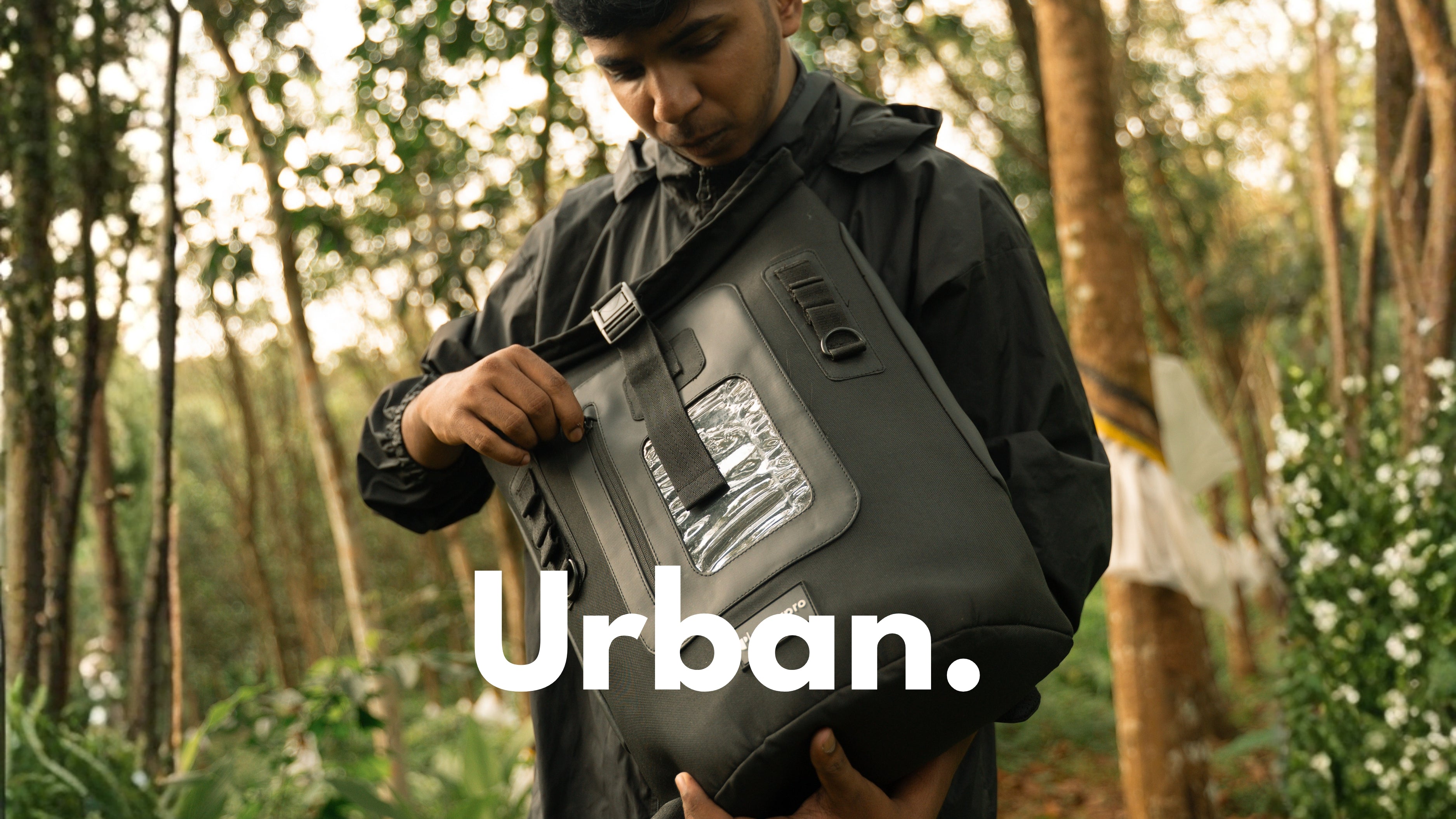


Two weeks of travel in a single backpack sounds like a sacrifice. It is not. It is a system. The traveller who shows up at the airport with one bag on their back and nothing to check moves faster, spends less, and worries about fewer things than the one wheeling two suitcases through a crowded terminal.
One-bag travel works because it forces a question most packers never ask: do I need this, or do I just feel better knowing it is there? The answer, almost every time, is the second one. And that extra comfort sitting in your bag adds weight to your back, fees to your flight, and minutes to every transition between transport modes.
This is the packing system that makes two weeks in a single bag not just possible but preferable.
Why one bag changes how you travel
The shift from two bags to one is not about packing less. It is about removing the logistics layer that sits between you and the trip.
No checked baggage means no waiting
On Indian domestic flights, checked bags add 20 to 40 minutes to your arrival time. You stand at the belt watching identical black bags circle while the one-bag traveller is already in a taxi. Over a two-week trip with four flights, that is two to three hours recovered.
Budget airlines charge Rs 500 to Rs 1,500 per checked bag per flight. Four flights at Rs 1,000 each is Rs 4,000 saved. That covers two nights in a good hostel.
Every transition gets faster
Train platforms, auto stands, bus stations, hostel check-ins. Each one involves picking up your bag and moving. One bag on your back means both hands free, no juggling, and no leaving something behind in a rickshaw because you were managing two pieces.
A 40L backpack like the HOBO40 V2.0 fits airline cabin limits at 55 x 40 x 20 cm. It holds two weeks of gear if packed with a system instead of a pile.
The capsule wardrobe that makes it work
One-bag travel for two weeks is impossible if you pack outfits. It works if you pack a system of interchangeable pieces.
The 5-3-7 formula
Five tops, three bottoms, seven sets of undergarments. Every top works with every bottom. Stick to a neutral colour base (black, navy, olive) and the maths takes care of itself. Five tops and three bottoms give you 15 distinct combinations without repeating a look.
Choose fabrics that dry overnight. Merino wool or synthetic blends beat cotton because they resist odour longer and dry in four hours instead of twelve. You will do laundry once during a two-week trip. Most Indian hostels and hotels offer same-day laundry for Rs 100 to Rs 300.
One warm layer, one rain layer
A packable down jacket compresses to the size of a water bottle and handles everything from a chilly Manali evening to an air-conditioned Rajdhani coach. A lightweight rain shell weighs under 200 grams and folds into a side pocket.
These two layers cover every weather scenario a two-week India trip throws at you outside of deep winter in Ladakh or Spiti. Every bag in the CarryPro travel range includes a rain cover, so the bag itself handles monsoon conditions without an additional purchase.
The packing method that keeps it under 7 kg
Weight is the constraint, not space. A 40L bag has room for two weeks of gear. The challenge is keeping the total under 7 kg so it clears Indian airline cabin limits without debate at the gate.
Roll and cube everything
Rolling eliminates dead air between folds. Packing cubes compress rolled items further and turn a single compartment into a modular system. One cube for tops, one for bottoms, one for undergarments. Each cube pulls out independently for laundry days or quick access.
The clothing block inside three cubes weighs approximately 3 to 3.5 kg for a mixed-climate two-week loadout.
Weigh before you zip
The remaining 3.5 to 4 kg covers the bag itself (approximately 1.5 kg for the HOBO40), toiletries, tech, and documents. A toiletry pouch with travel-size products weighs 300 to 400 grams. A laptop adds 1.5 kg. A phone charger and cable add 200 grams. That leaves a slim margin, which is exactly the point.
If the bag is over 7 kg after packing, the fix is not a bigger bag. The fix is removing one item.
What to leave behind every time
Certain items appear on every packing list and should be cut from every one-bag loadout.
Jeans
Heavy, slow to dry, and no more versatile than a pair of lightweight trek pants. One pair of jeans weighs 800 grams. One pair of trek pants weighs 250 grams. Over two weeks, the trek pants do every job jeans would do and dry three times faster.
More than two pairs of shoes
Wear your heavier shoes onto the plane. Pack one pair of lightweight sandals inside the bag. Two pairs covers walking, dining, temples, and beach towns. The third pair you want to bring stays home.
Full-size toiletries
Buy shampoo, sunscreen, and toothpaste locally after you land. India has pharmacies and convenience stores in every town. Packing full bottles from home adds 500 grams of weight you did not need to carry through the airport.
The bag that makes one-bag travel practical
One-bag travel requires a bag built for it. A college backpack or a top-loading rucksack will not work. You need front-panel access so you can see everything without unpacking, a padded laptop compartment, and a rain cover for monsoon months.
The HOBO40 V2.0 opens from the front panel like a suitcase. It includes an aluminium frame for load distribution, a padded hip belt for comfort above 6 kg, and a rain cover in a dedicated bottom pocket. At Rs 4,499, it is the entry point to one-bag travel in India.
Pair it with a sling bag for day trips when the main bag stays at the hostel. The two-bag modular system (one main bag, one sling) covers every scenario from airport to temple to night market.
For a side-by-side look at how much each bag size actually holds, the backpack size guide shows real packing examples at every capacity.
Less in the bag means more on the trip
One-bag travel is not a constraint. It is a decision to prioritise experience over options. The traveller with fifteen outfit choices still wears the same three on rotation. The one with five planned pieces wears all of them and carries half the weight.
Two weeks. One bag. The system works if you trust it.
Frequently asked questions
Can I really travel for two weeks with just a 40L backpack?
Yes. A 40L bag holds five tops, three bottoms, one warm layer, one rain layer, toiletries, a laptop, and documents. The key is packing a system of interchangeable pieces, not individual outfits, and doing laundry once during the trip.
What is the ideal bag size for one-bag travel?
30L to 40L. A 30L works for warm-weather trips with minimal tech. A 40L handles mixed climates and a laptop. Anything above 45L defeats the purpose because it exceeds cabin limits and adds unnecessary weight.
How do I keep a one-bag loadout under 7 kg?
Use lightweight fabrics, travel-size toiletries, and packing cubes. Weigh the bag before leaving. Wear your heaviest shoes and jacket onto the plane instead of packing them. Cut jeans and full-size bottles.
Is one-bag travel practical for Indian monsoon season?
Yes, with a rain cover and quick-dry clothing. Synthetic fabrics dry overnight even in humid conditions. A rain shell weighing under 200 grams protects you during downpours without adding bulk to the bag.
Do I need packing cubes for one-bag travel?
Not strictly, but they make it dramatically easier. Cubes compress clothing, separate categories, and let you pull a single cube for laundry day without disrupting the rest of the bag.
What if I need more space for souvenirs?
Ship purchases home or buy a lightweight foldable bag locally for the return flight. Do not oversize your travel bag to accommodate hypothetical shopping. A flat tote that folds into a pocket works as overflow on the way back.