
Three weeks. Three climates. One bag. The NOMAD 65L+ went from snow-dusted trails above Manali to 42-degree bus rides through Jaisalmer to humid houseboat decks in Alleppey. This is not a spec sheet review. It is a field report from a trip that tested every seam, strap, and compartment against the kind of conditions Indian travel actually throws at you.
The bag came back scratched, rain-soaked twice, and thrown into overhead racks on five different trains. Here is what held up, what surprised, and what you should know before buying.
How it carried on Himalayan trails
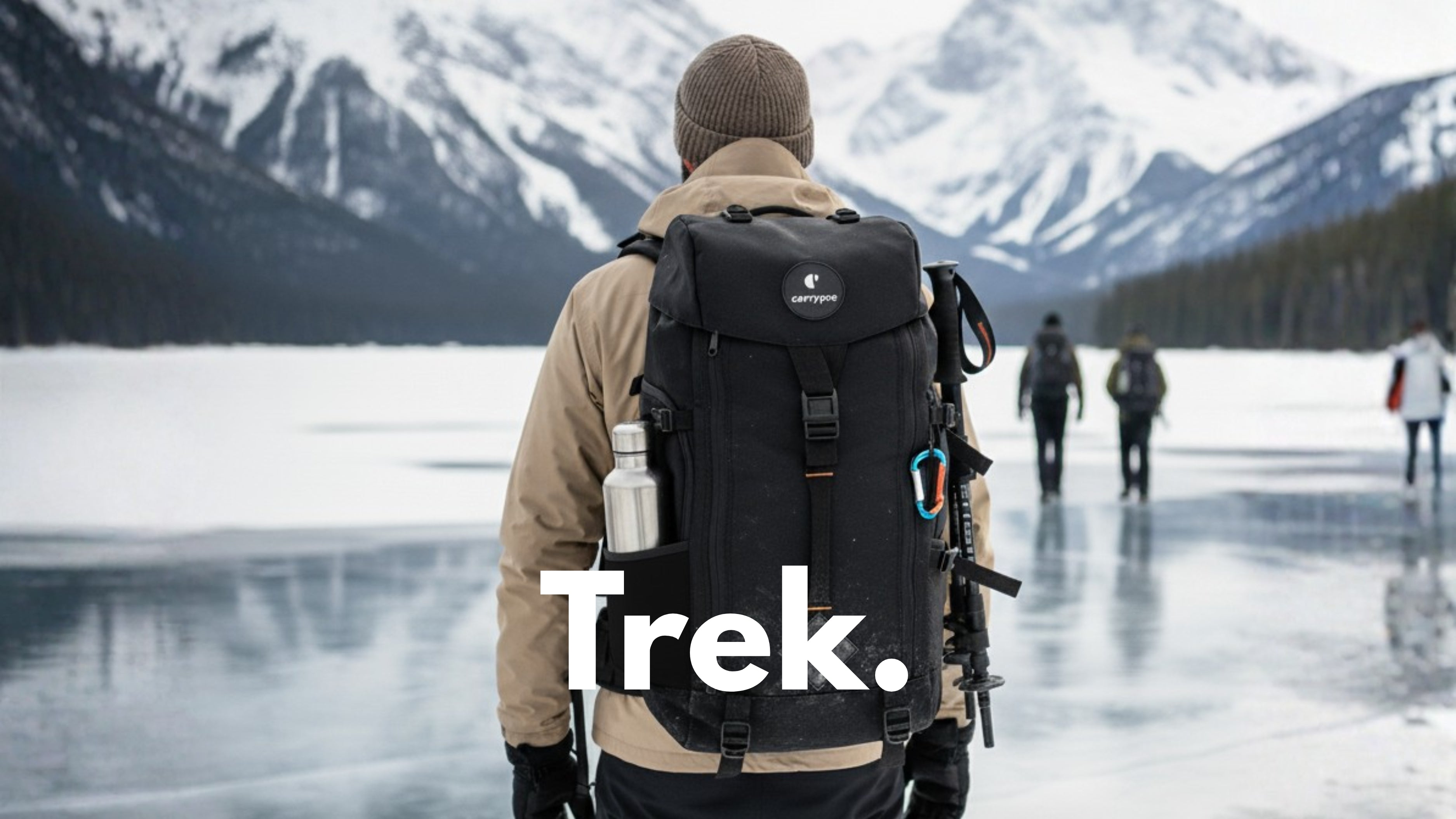
The first leg covered six days of trekking around the Hampta Pass corridor. Loaded weight stayed between 11 and 13 kg depending on water and food supplies.
Hip belt and load transfer
The contoured hip belt is where this bag earns its keep. On steep descents toward Chatru, the belt kept 80 percent of the weight on the hips instead of dragging the shoulders backward. The padding is firm enough to prevent rolling but soft enough for all-day wear without digging into the hip bones.
Load-lifter straps pulled the top of the bag closer to the back on switchbacks. This is a feature most budget rucksacks in India skip entirely. On the NOMAD 65L+, tightening them took two seconds and immediately stabilised the pack during rocky descents.
Bottom compartment access
The separate bottom zip held a sleeping bag liner and camp sandals. Being able to grab these without opening the main compartment meant quicker camp setups and cleaner packing throughout the trek. This single feature removed the nightly ritual of unpacking everything just to find what was buried at the bottom.
How it handled Rajasthan heat and bus travel
The Rajasthan leg covered Jaisalmer, Jodhpur, and Udaipur over eight days. Transport was a mix of state buses, shared jeeps, and one overnight sleeper.
Overhead rack and bus floor performance
On Rajasthan state buses, bags go on the roof or under seats. The NOMAD's internal frame kept its shape on the roof rack instead of sagging sideways like softer duffel bags. When it went under a seat on a crowded Jodhpur-Udaipur bus, the compression straps cinched the bag tight enough to slide in without forcing.
On overnight sleepers, the bag fit in the luggage rack near the door. It is too large for the under-berth space on Indian trains, but the rack accommodated it without blocking the aisle.
Heat and ventilation
Rajasthan in May means 40-plus degrees. The back panel has a mesh ventilation channel, but no mesh will keep your back dry when you walk 200 metres from a bus stand to a hostel under direct sun. The channel helped airflow on shorter walks. On longer city explorations, using a sling bag and leaving the NOMAD at the hostel was the better call.
How it survived Kerala monsoon season
The final leg ran five days through Kochi, Alleppey, and Munnar. It rained on four of those five days.
Rain cover under real monsoon conditions
The fitted rain cover deploys from a bottom pocket in under ten seconds. During a 90-minute downpour between Munnar and Kochi, the cover kept the main compartment completely dry. The water beaded off the cover and drained away from the zips. Removing it afterward took another ten seconds, and it stowed back into the pocket still damp without adding noticeable weight.
Without the rain cover, water-resistant fabric alone would not have handled sustained Kerala-level rain. The fabric stopped splashes and light drizzle, but heavy monsoon conditions need the full cover deployed.
Humidity and gear protection
Inside the bag, packing cubes kept clothes separated and slightly compressed, which helped airflow between layers. A toiletry kit in the lid pocket kept liquids contained and away from electronics. The laptop compartment stayed padded and dry throughout the Kerala leg, though the laptop only travelled during the Rajasthan and Himachal segments.
What worked and what to know
Three weeks of field testing revealed clear strengths and honest limitations worth noting before you decide.
Strengths that showed up on the road
The front-panel access option changed how the bag worked at hostels. Instead of top-loading and digging, unzipping the front panel laid the bag open like a suitcase. In hostel dorms with limited floor space, this saved time every morning.
The compression straps proved useful beyond cinching. Trekking poles strapped to the side on transit days. A wet rain jacket clipped to the outside to dry during a sunny bus ride through Jodhpur.
For a full comparison of how this bag stacks up against smaller options, the travel backpack guide covers every size in the range.
Limitations to keep in mind
At 65 litres, this is not a carry-on bag. It exceeds cabin limits on every Indian airline. Plan for checked baggage or bus storage on domestic flights.
The bag weighs more than ultralight alternatives. For trips under seven days, a 40L like the HOBO40 V2.0 or the Overnighter 30L covers the same ground with less weight on your back.
The mesh back panel ventilation helps but does not eliminate sweat in extreme heat. No 65L backpack solves that problem. Carry a small towel.
Three weeks later, what the NOMAD earned
A backpack reveals itself through repetition. The first day tells you how it fits. The fifteenth day tells you whether it still fits after being loaded, unloaded, thrown, and rained on daily.
After three weeks across three climates, the NOMAD 65L+ did what it promised without a single failure. The zips still glide. The hip belt still sits where it should. The rain cover still deploys clean. For the price point, that consistency across Indian conditions is what separates this bag from the budget alternatives.
If your next trip runs longer than a week and crosses more than one region, give the NOMAD 65L+ a serious look.
Frequently asked questions
Is the NOMAD 65L+ comfortable for women?
Yes. The strap system adjusts to torso lengths from 38 cm upward. Women with shorter torsos can shorten the shoulder straps and raise the hip belt for a balanced fit. The unisex design works across body types without modification.
How much does the NOMAD 65L+ weigh empty?
The empty bag weighs approximately 1.8 kg including the rain cover. Packed for a two-week trip across mixed climates, total loaded weight ranges from 10 to 14 kg depending on gear and season.
Can I use the NOMAD for international backpacking?
Yes. The 65L capacity and checked-baggage-friendly dimensions work for Southeast Asia, Europe, and Central Asia circuits. The rain cover handles tropical climates. The internal frame distributes weight for long walking days between hostels.
Does the rain cover fit properly when the bag is fully packed?
Yes. The rain cover is sized to wrap the bag at full expansion. Even with compression straps loosened and the bag stuffed to capacity, the cover sealed all zips and panels without leaving exposed gaps.
What is the laptop compartment size?
The padded laptop sleeve fits screens up to 15.6 inches. It sits against the back panel for weight distribution and has a rear-access zip so you can pull the laptop at airport security without opening the main compartment.
How does the NOMAD compare to the HOBO40?
The NOMAD is for trips of seven days or longer where checked baggage is acceptable. The HOBO40 is for three to seven day trips where cabin carry-on compliance matters. Both share front-panel access and included rain covers. The size guide breaks down what each size actually holds.