

A backpack that hurts is usually not heavy. It's a backpack sitting in the wrong place. The same 8 kg can feel manageable or miserable depending on how high the bag rides, how close it sits to your spine, and whether your shoulders are doing work your hips could do instead.
Research on load carriage is clear on the main points. Shoulders are the most pressure-sensitive part of carrying, hips tolerate far more, and weight held high and close costs less effort than weight hanging low and loose. This guide turns that into a strap-by-strap routine for everyday commutes, flights, and treks.
Key facts: wearing a backpack without pain
-
Shoulder pressure is the main predictor of backpack discomfort, and research suggests the hip region can tolerate roughly twice the pressure for the same discomfort (Applied Bionics and Biomechanics, 2018).
-
A hip belt can move about one-third of the vertical load off the spine and shoulders and onto the pelvis, according to research reviewed in the same study.
-
Two straps beat one. At 10% of body weight, a two-strap backpack produced the least muscle activity of the five conditions tested, which included one-strap and single-shoulder carrying (Journal of Human Kinetics, 2015).
-
Heavy items belong close to your back. Loads carried low on the back raise oxygen use more than the same load carried higher, according to a review of load-carriage research (Physiological Reports, 2022).
-
Weight past 15% of body weight changes posture. Gait research links backpack loads above 15% of body weight to significant changes in trunk posture (Sports, 2025).
Why does my backpack hurt my shoulders?
Backpack shoulder pain usually means the shoulders are carrying load that should sit on the hips or closer to the spine. Loose straps let the bag sag and pull backwards. Straps that are too tight concentrate pressure on a small area. In both cases the shoulder region, which research identifies as the most pressure-sensitive part of carrying, takes the strain.
Common causes, roughly in order of how often they're the culprit:
-
The bag hangs low, so its weight levers backwards off your shoulders.
-
Heavy items sit at the bottom or front of the bag, away from your back.
-
You carry it on one shoulder.
-
The hip belt, if the bag has one, is unbuckled or sits on your stomach instead of your hip bones.
-
The bag is simply too heavy for how long you're carrying it.
How do you adjust backpack straps? The right order
Adjust from the bottom up: load the bag, loosen everything, then tighten the hip belt, shoulder straps, load lifters and chest strap in that order. Starting at the hips lets the pelvis take its share of weight before the shoulder straps are set. Adjusting shoulders first usually leaves them over-tightened.
-
Pack the bag with your real load. Straps set on an empty bag are wrong once it's full.
-
Loosen every strap so you start from neutral.
-
Hip belt (if the bag has one). Buckle it so the padded wings wrap over the bony top of your hips, then tighten until it's snug. The belt is meant to rest on the pelvis, not the soft stomach above it.
-
Shoulder straps. Pull them down and back until the bag sits close to your back with no gap at the top. Stop when the straps touch your shoulders all the way round without digging in.
-
Load lifters (the small straps from the top of the shoulder straps to the bag, on travel and trekking packs). Snug them to pull the top of the bag towards you. Don't crank them hard.
-
Chest (sternum) strap. Clip it across your chest and tighten just enough to keep the shoulder straps from sliding outward. It shouldn't restrict your breathing.
-
Walk for a minute and re-check. Loads settle, and straps usually need one more small adjustment.
Where should a backpack sit on your back?
A backpack should sit high and close. On a daily bag without a hip belt, the bottom should rest in the curve of your lower back, not below it. Safety guidance says the base should sit no more than about 4 inches (10 cm) below the waistline (Indiana University Safety Store; National Safety Council).
A bag that rides low levers its weight backwards off your shoulders. Load-carriage research also finds that weight carried on the lower back raises oxygen use more than the same weight carried higher, so a low bag costs more effort as well as more comfort.
Where should the sternum strap go?
The sternum (chest) strap should sit across your chest where it holds the shoulder straps in their natural line over your collarbones. Its job is stability, not load-bearing. It stops the shoulder straps drifting out towards your arms, which pinches the armpits and shifts pressure. Tighten it only until the straps stop moving.
If the strap presses on your throat, lower it. If it rides into your stomach, raise it. Most bags let the strap slide up and down a rail on the shoulder straps.
How should a hip belt fit, and does it help?
A hip belt should wrap around the top of your hip bones and be tight enough to carry weight, so the shoulder straps can loosen slightly. Research on load carriage reports that hip belts can transfer about one-third of the vertical force on the spine to the hips. The hip region also tolerates higher pressure than the shoulders before it becomes uncomfortable.
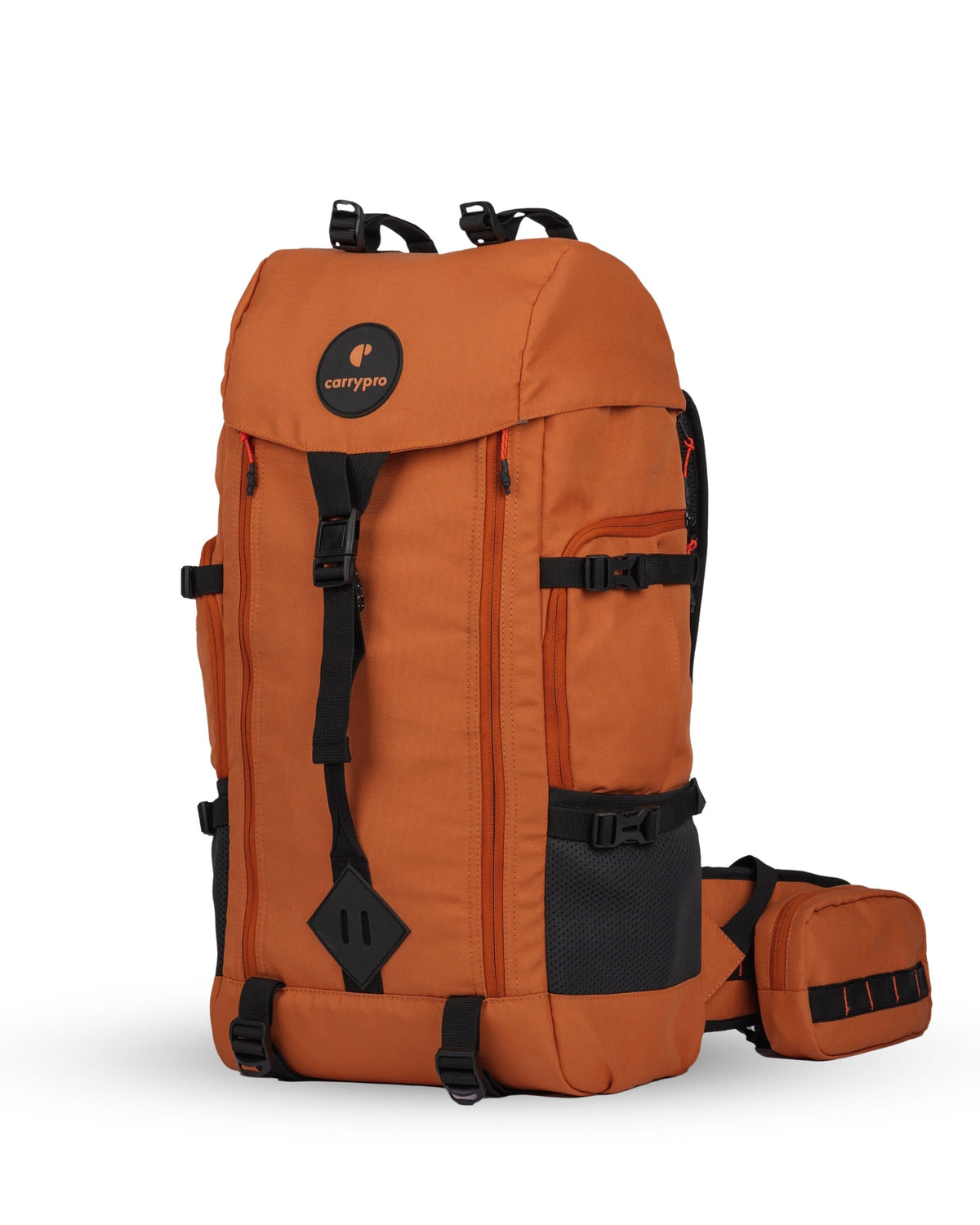
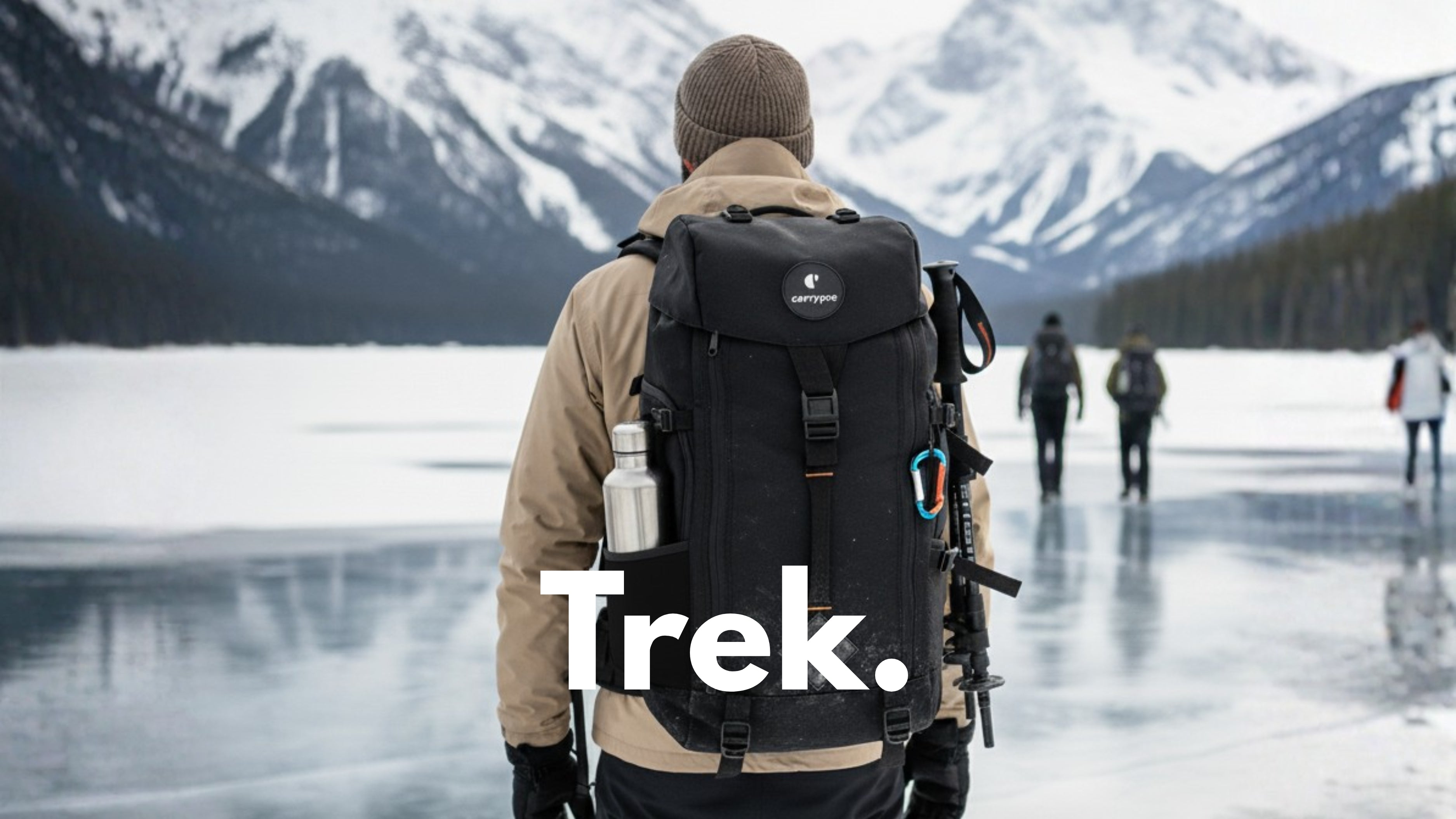
Hip belts matter most above everyday commuting loads: a full 40L travel bag, a trek pack, or a camera bag with a laptop. The HOBO40 v2.0, for example, pairs a hip belt with an aluminium frame in the back panel. If you regularly carry heavier loads, look at our trekking backpacks and 40L travel backpacks.
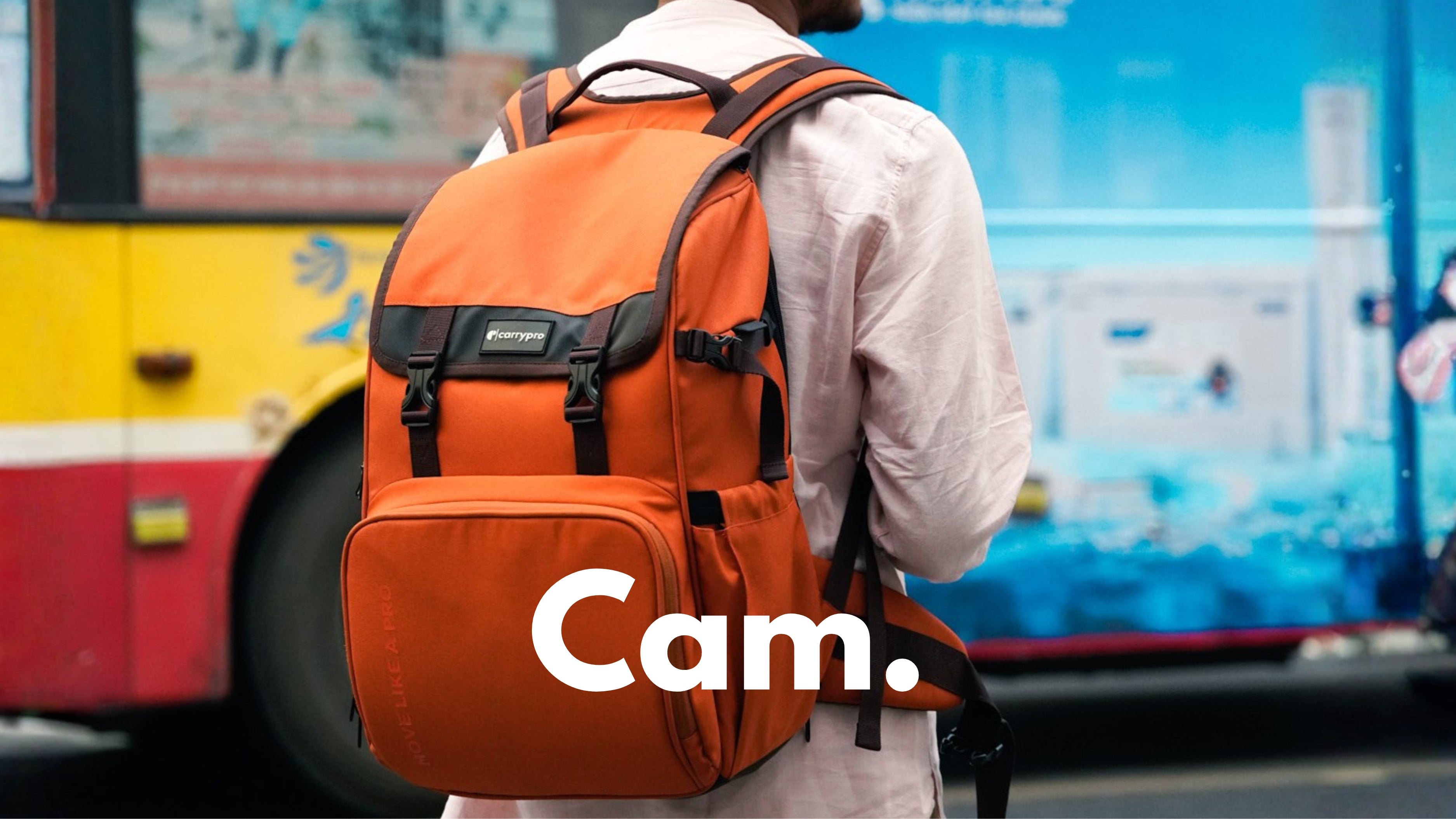
For a light daily laptop bag, a hip belt isn't necessary. Correct shoulder strap height and good packing do most of the work.
Is it bad to carry a backpack on one shoulder?
Yes, for anything more than a short distance. In a study of university students carrying 10% of their body weight, a two-strap backpack produced the least muscle activity of every carrying style tested, including one-strap and single-shoulder carrying. Earlier research on students carrying 15% of body weight found clearly uneven back-muscle activity when the load hung on one side (Ergonomics, 2006).
Slinging a bag over one shoulder for a few metres between a cab and a lift won't hurt you. Commuting that way every day is where the imbalance adds up.
How do you pack a backpack to reduce back pain?
Put the heaviest items closest to your back, then fill outwards with lighter items. Keep the weight centred left to right, and pack so nothing shifts as you walk. Weight close to the spine reduces the backward pull on your shoulders, and a load that can't shift won't swing the bag as you move.
Where exactly the heavy items should go depends on the load:
-
Everyday bags and school bags: health guidance such as the American Academy of Orthopaedic Surgeons recommends heavier items low and towards the centre of the bag.
-
Heavier travel and trek loads: load-carriage research found high placement less metabolically costly with large loads (Ergonomics, 2022), and a review found low-back loading raised oxygen use more than upper-back loading.
The rule that holds across both: close to your back first, then set the height to suit the load. For a laptop bag, the laptop goes in the sleeve against your back. For a 40L travel bag, the densest items (toiletries, chargers, shoes) go in the middle of the bag against the back panel, with soft clothes around them. Our guide on how to pack a travel backpack covers the full layering method.
How heavy should a backpack be for adults?
There's no single official limit for adults. Common safety guidance caps backpacks at about 10% of body weight (Indiana University Safety Store). Gait research on adults links loads above 15% of body weight to significant changes in trunk posture. A practical everyday target is to stay near 10% for daily carry, and to add a hip belt and frame for anything heavier.
|
Your body weight |
~10% (comfortable daily carry) |
~15% (posture starts to change) |
|
50 kg |
5 kg |
7.5 kg |
|
60 kg |
6 kg |
9 kg |
|
70 kg |
7 kg |
10.5 kg |
|
80 kg |
8 kg |
12 kg |
|
90 kg |
9 kg |
13.5 kg |
A useful everyday test: if you have to lean forward to walk comfortably, the bag is too heavy or too low for what you're doing. For travel, remember the airline limit may bind first. Indian domestic airlines such as Air India cap economy cabin bags at 7 kg.
Everyday situations: quick fixes
-
Standing in a crowded metro or local train: move the bag to your chest. It's safer and stops it swinging into people.
-
Riding pillion on a two-wheeler: tighten the shoulder straps and clip the chest strap so the bag doesn't pull backwards on bumps and turns.
-
Airport walks with a full travel bag: buckle the hip belt. Even a long walk between terminals is enough time for shoulders to tire.
-
Trekking: re-tighten the hip belt at every long break. Loads settle and belts loosen as you walk.
-
Laptop bag all day: shorten the shoulder straps so the bag rides higher, with its base in the curve of your lower back.
Frequently asked questions
How tight should backpack straps be?
Snug enough that the bag sits against your back with no gap at the top and doesn't sway when you walk, but loose enough that the straps don't dig into your shoulders or restrict arm movement. If the bag has a hip belt, tighten that first, then adjust shoulder straps so they share rather than carry the whole load.
Where should the bottom of a backpack sit?
The bottom of a backpack should rest in the curve of your lower back. Safety guidance says it should sit no more than about 4 inches (10 cm) below the waistline. A bag that hangs lower pulls backwards on the shoulders and makes you lean forward.
Should I use the chest strap on my backpack?
Yes, especially with heavier loads or when moving quickly. The chest strap keeps the shoulder straps from sliding outward, which reduces pinching at the armpits and keeps the load stable. It's a stabiliser rather than a load-bearing strap, so tighten it just enough to stop the straps moving.
Why does my lower back hurt after carrying a backpack?
Usually because the bag is too heavy, hangs too low, or has heavy items far from your back. That makes you lean forward to balance it, which loads the lower back muscles. Raise the bag, move heavy items close to your spine, use a hip belt for heavier loads, and reduce the weight if you still need to lean.
Is a backpack better than a shoulder bag for your back?
For carrying a meaningful load, yes. Research on students found a two-strap backpack produced less muscle activity than one-strap or shoulder-bag carrying at the same load, and shoulder bags caused uneven muscle activity between the left and right sides of the back.
Sources
-
Oberhofer et al., Applied Bionics and Biomechanics (2018): shoulder pressure and discomfort, hip tolerance, hip belt load transfer
-
Hardie et al., Journal of Human Kinetics (2015): muscle activity by bag style at 10% body weight
-
Motmans et al., Ergonomics (2006): trunk muscle activity in different carrying modes
-
Ergonomics (2022): vertical load placement and metabolic rate: high vs low load placement
-
Faghy et al., Physiological Reports (2022): physiological impact of load carriage, review: upper vs lower back loading
-
Grigg et al., Sports (2025): backpack design and walking gradient: loads above 15% of body weight and trunk posture
-
American Academy of Orthopaedic Surgeons: backpack safety: straps and packing guidance
-
Indiana University Safety Store: backpack safety: bag position and 10% guidance
-
Air India: cabin baggage: 7 kg economy cabin limit
-
National Safety Council: backpack safety: bag position and size guidance