


Most luggage comparisons are written for airports with lifts, smooth floors and a taxi rank at the exit. Indian travel is not usually that. It is a railway foot overbridge with forty steps, a hostel on a third floor with no lift, a monsoon platform, and a last kilometre on an auto.
That environment changes which format wins, and it changes it more than any feature comparison does.
Where Each Format Actually Fails
A suitcase fails on stairs and surfaces. Wheels are the best invention in luggage on flat, hard ground, and useless on anything else. A railway overbridge, a gravel path, a monsoon puddle or an unpaved lane turns a wheeled bag into a carried bag with a handle in the wrong place. Wheels and a rigid frame also add two to four kilograms before you pack anything, which is meaningful against a 7 kg cabin allowance.
A duffel fails on your shoulder. It carries all the weight on one side with no structure, which is fine for a gym bag and punishing over twenty minutes. It also has no internal organisation, so everything ends up in a single pile.
A backpack fails on formality and on very heavy loads. It creases the back of a shirt and reads casual walking into a client office. Above about 12 kg it stops being pleasant regardless of the frame.
The Case for a Backpack in India
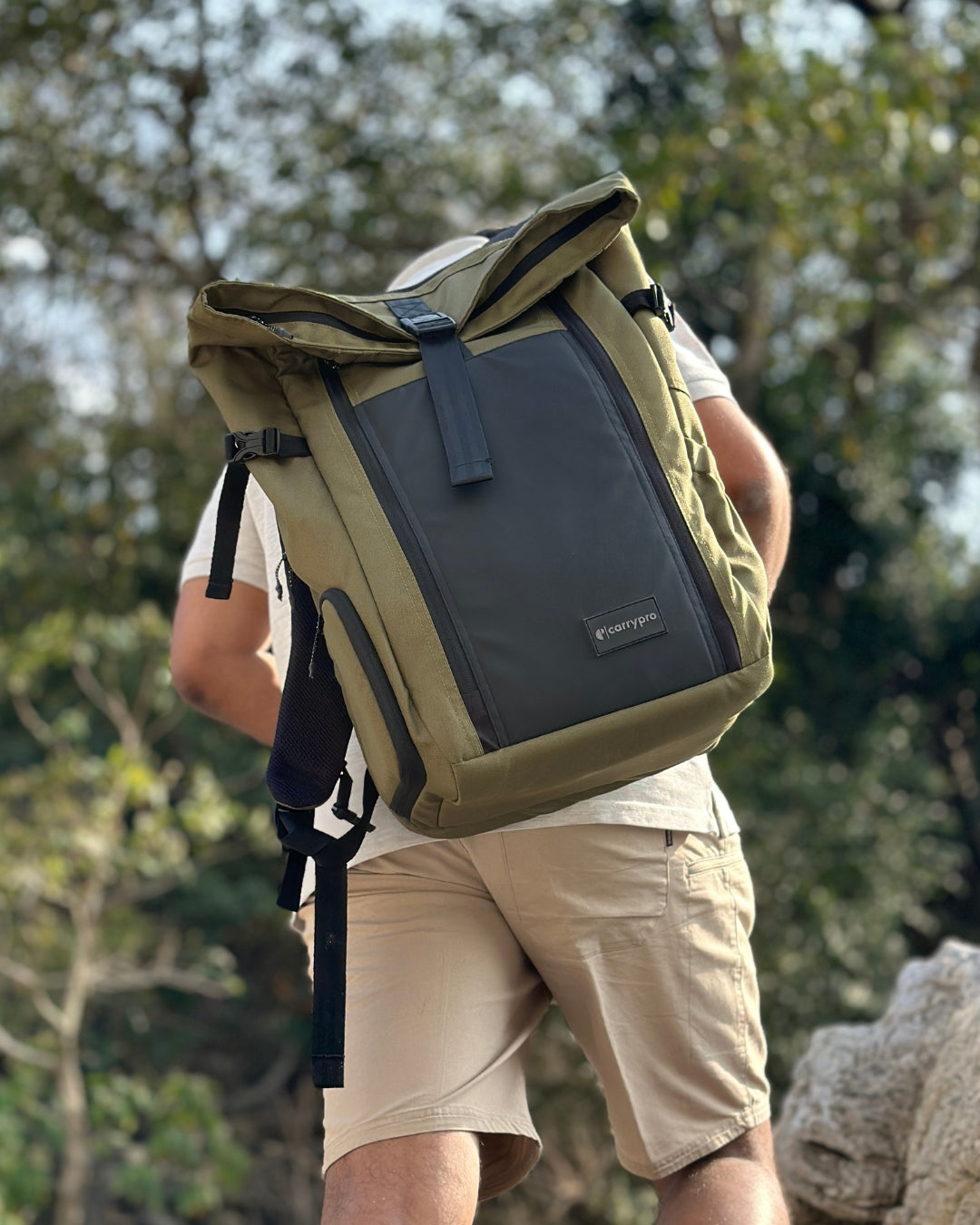
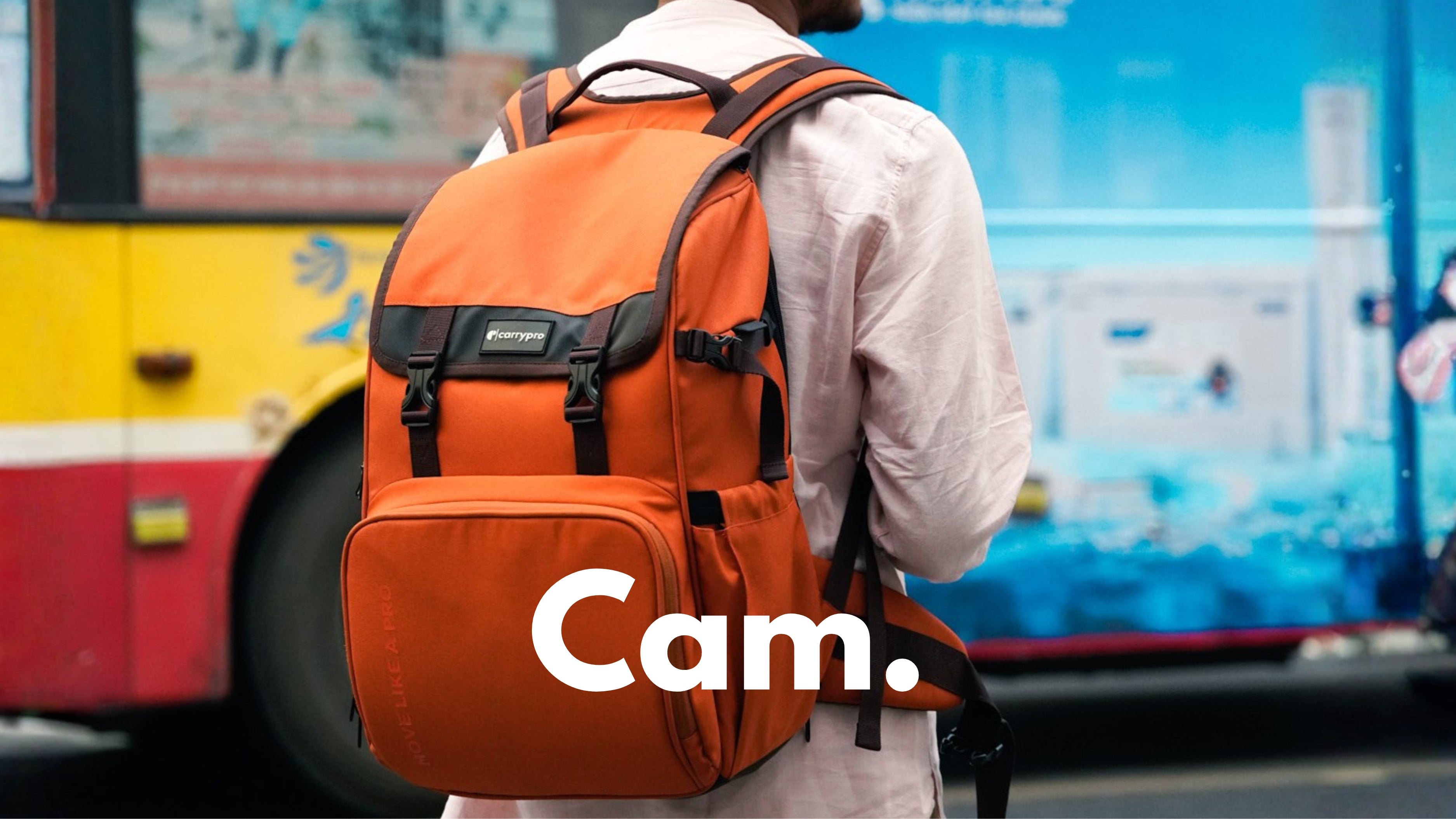
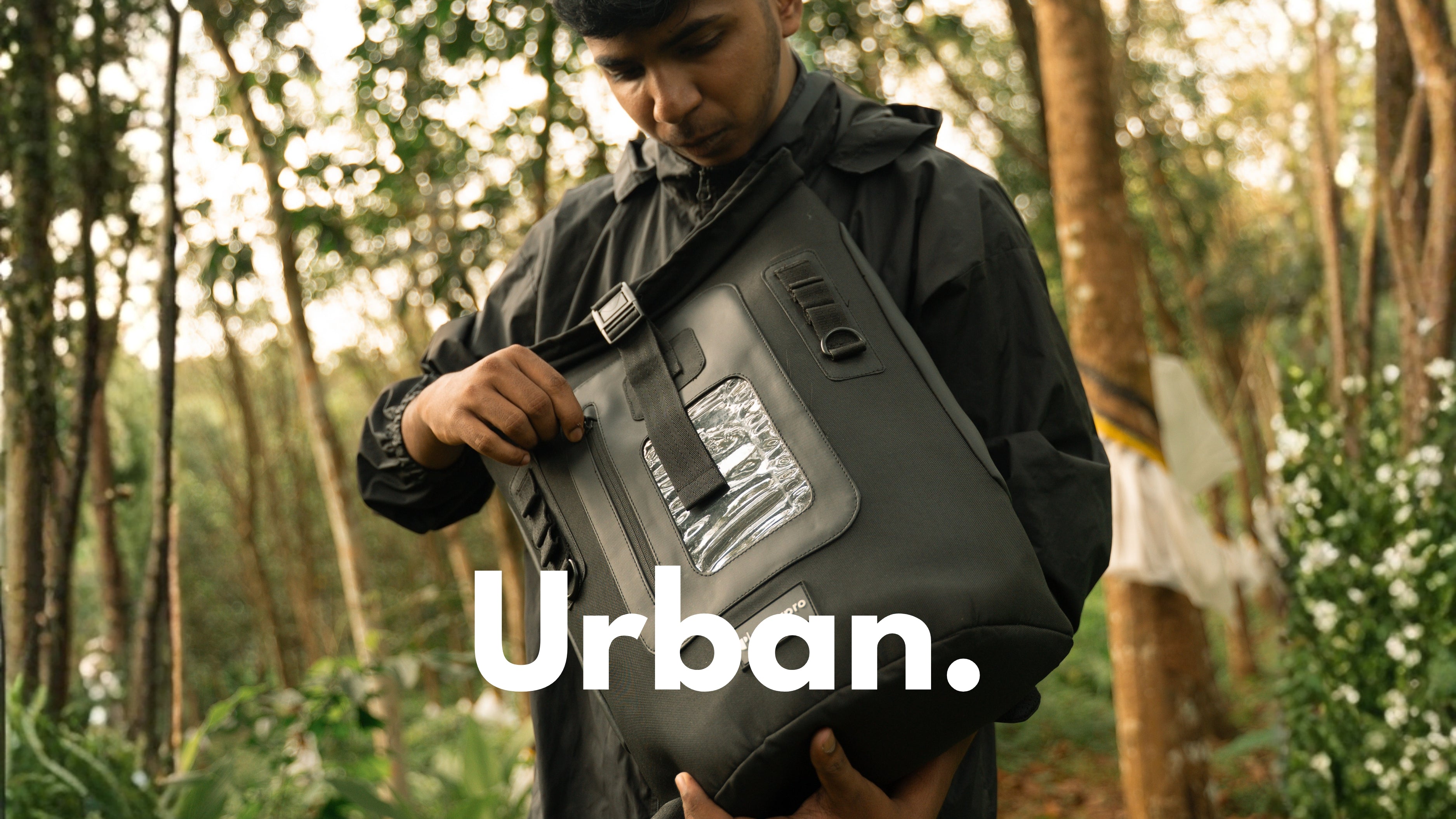
A travel backpack keeps your hands free, works on every surface, and handles stairs without thought. The HOBO40 V2.0 at ₹4,499 measures 50 × 30 × 18 cm and weighs 1.6 kg, which is roughly half the empty weight of a comparable cabin trolley.
That weight difference is the underrated argument. Indian carriers cap cabin baggage at 7 kg including the bag. A 3.5 kg trolley leaves you 3.5 kg of packing. A 1.6 kg backpack leaves you 5.4 kg. Same allowance, 55 percent more usable capacity.
Modern travel backpacks also fixed the old objection. Front-panel access means the bag opens like a suitcase and you see everything at once, rather than unstacking from the top.
The Case for a Suitcase
Business travel between airports and hotels, where the ground is flat and you arrive in a meeting room rather than a hostel. A trolley protects fragile items better, keeps clothes flatter, and reads correctly in formal settings.
If your trip is Delhi airport to a Bengaluru hotel to an office and back, a suitcase is genuinely the better tool and a backpack is affectation.
The Case for a Duffel
Short trips where you throw things in and leave. Gym bags, one-night stays, and anything you carry from a car to a room. Duffels are light, cheap and flexible in a way structured luggage is not, and their lack of organisation stops mattering under twenty-four hours.
The Hybrid Most People Should Buy
For anyone travelling India by a mix of flight, train and road, the practical answer is a travel backpack with a trolley pass-through. The Pro Overnighter 30L at ₹3,999 has a velcro trolley option and sits at 12 cm deep, so it rides on a trolley handle at the airport and goes on your back at the station.
For longer trips, the NOMAD 65L+ at ₹6,999 handles the checked-baggage role a suitcase would take while its detachable 15 litre daypack becomes your cabin personal item.
Choosing for the Ground, Not the Brochure
Pick the format that suits the surfaces you will actually cross. Flat airports and hotels favour wheels. Stairs, stations and hostels favour straps. Most Indian itineraries contain both, which is why a well-designed backpack with a trolley sleeve wins more often than either pure format.
Compare the range in travel backpacks and carry-on backpacks.
Frequently Asked Questions
Is a backpack or suitcase better for travelling in India?
A backpack, for most itineraries. Indian travel involves stairs, platforms and uneven ground where wheels do not work, and a backpack is roughly two kilograms lighter empty, which matters against a 7 kg cabin limit.
Are travel backpacks allowed as cabin baggage?
Yes, if they measure within 55 × 35 × 25 cm and sum under 115 cm. Soft backpacks often pass sizers more easily than hard cases because the fabric compresses under gentle pressure.
What is the difference between a travel backpack and a duffel?
A travel backpack has a structured harness, front-panel access and internal organisation. A duffel is a single unstructured compartment carried on one shoulder, which is fine under an hour and uncomfortable beyond it.
Can a backpack replace a cabin suitcase?
For most trips, yes. A 40 litre travel backpack holds the same clothing as a cabin trolley, weighs less, and handles stairs and rough ground the trolley cannot.
Is a duffel bag good for travel?
For short trips and car-based travel, yes. For anything involving walking, stairs or a week of clothing, the lack of a proper harness and internal organisation becomes the problem.
What is the best luggage for train travel in India?
A backpack, ideally under 15 cm deep so it slides under a berth. Wheeled luggage is difficult on platforms, overbridges and in sleeper coach aisles.