
A water bottle works until it doesn't. On a steep trail, reaching behind for a side-pocket bottle means stopping, taking the backpack off, or contorting an arm backward while walking. On a bike, grabbing a bottle from a cage means taking a hand off the handlebar. In both cases, the friction of accessing water means drinking less often, which means dehydrating faster.
A hydration bladder removes that friction entirely. Water goes in the bag. A tube comes out. Sip while walking, cycling, running, or climbing without stopping, without removing the backpack, and without using either hand for more than a second.
Our guide covers how bladders work mechanically, when they beat bottles, when bottles beat them, and what to look for when buying one.
What Is a Hydration Bladder?
A hydration bladder (also called a reservoir) is a flexible, food-grade plastic pouch that holds 1 to 3 litres of water inside a backpack. A drinking tube runs from the bladder, through a port in the bag, and clips to the shoulder strap near the mouth. A bite valve at the end of the tube opens when bitten and closes when released, preventing leaks.
The basic components
The bladder: A flat, flexible pouch (usually BPA-free TPU or polyethylene) with a wide-mouth opening at the top for filling and cleaning. When full, it conforms to the shape of the backpack's internal sleeve. When empty, it lies flat and takes up almost no space.
The tube: A food-grade silicone or rubber tube, 50 to 100 cm long, that connects the bladder to the bite valve. The tube runs through a port in the backpack (a small hole or grommet designed for this purpose) and clips to the shoulder strap for easy access.
The bite valve: A soft silicone mouthpiece at the end of the tube. Bite down to open the valve and sip. Release to close. Some valves have a locking switch to prevent accidental leaks when the bag is lying on its side or upside down.
How Does Water Flow from the Bladder to the Mouth?
Gravity and suction. When the bladder sits vertically inside the backpack (higher than the bite valve), gravity pushes water down through the tube. Biting the valve opens the flow. The suction from sipping pulls water through the tube at a controlled rate.
When the bladder sits horizontally (lying the bag flat), gravity alone doesn't push water. Suction does all the work, which requires slightly more effort per sip but still functions. This is why bladders work in any backpack orientation, including when the bag is lying on the ground during a rest stop.
When Is a Hydration Bladder Better Than a Water Bottle?
During continuous movement
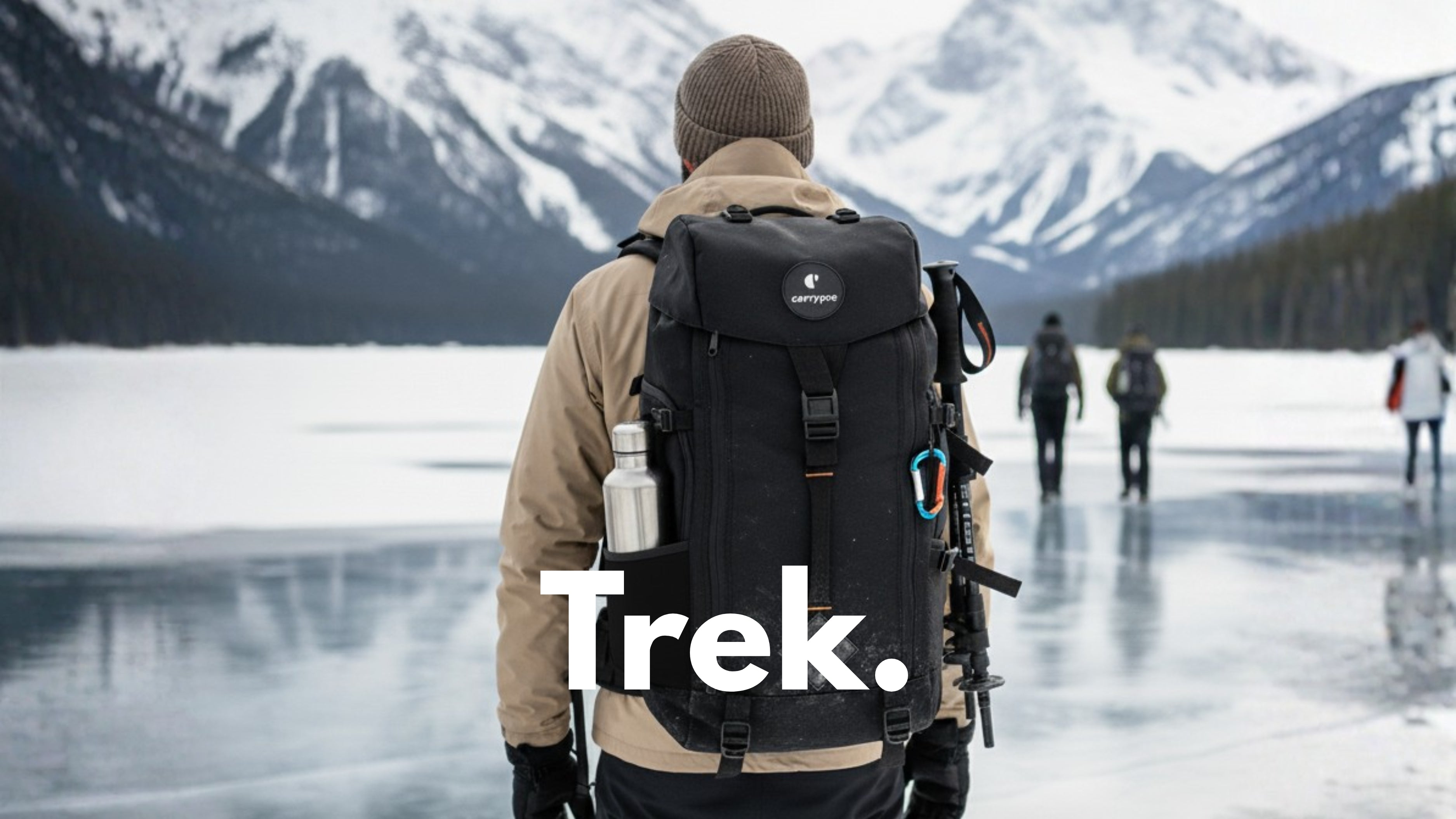
Hiking uphill, cycling, running, trekking. Any activity where stopping to drink wastes momentum and energy. A bladder lets you sip every few minutes without breaking stride. Over a 4 to 6 hour hike, this adds up to hundreds of small sips versus 5 to 8 full stops for a bottle. The result: more consistent hydration with less total time lost.
When both hands need to be free
Scrambling over rocks. Using trekking poles. Carrying a camera. Cycling. Any situation where taking a hand off what it's doing to grab a bottle creates a safety or convenience issue. A bladder requires only the mouth.
When capacity matters
A standard reusable bottle holds 500 to 750ml. A bladder holds 1 to 3 litres in the same backpack. On trails without reliable water refill points, the bladder's higher capacity means fewer refill stops or the ability to carry enough water for the entire route.
When weight distribution matters
A bottle in a side pocket creates asymmetric weight (one side heavier than the other). A bladder sits flat against the back panel, centred and symmetrical. On long hikes with a loaded backpack, this centred weight distribution improves balance and reduces the uneven strain that side-pocket bottles create.
When Is a Water Bottle Better Than a Bladder?
When tracking water intake matters
A transparent bottle shows exactly how much water remains at a glance. A bladder is hidden inside the backpack; the only way to check the level is to feel the weight, squeeze the bag, or remove the bladder entirely. For people who track daily intake precisely, bottles are more practical.
When cleaning convenience matters
A bottle takes 30 seconds to wash: rinse, scrub, dry. A bladder requires a more involved cleaning process: fill with warm water and baking soda, soak, scrub the interior with a brush (or specialised cleaning kit), rinse the tube, and hang dry. If the bladder isn't dried properly, mould can grow inside. Bottles are lower maintenance by a wide margin.
When cold water matters
Ice cubes go into a bottle easily. Getting ice into a bladder's opening is possible but slower, and the insulation of most bladders is minimal. On hot days when cold water is a priority, a well-insulated bottle outperforms a bladder.
Short outings and urban use
For a 1 to 2 hour walk, a café session, or daily commuting, a water bottle is simpler. The setup and cleanup of a bladder isn't justified for short, low-intensity use. Bladders earn their value on outings of 3+ hours where continuous, hands-free hydration makes a measurable difference.
What to Look for When Buying a Hydration Bladder
Capacity
2 litres is the most common and most versatile size. It holds enough for 3 to 5 hours of moderate activity and fits inside most backpack hydration sleeves. 1 litre works for short runs or ultralight setups. 3 litres is for long trekking days or hot climates where water access is limited.
Wide-mouth opening
A narrow opening makes filling and cleaning difficult. A wide-mouth (or slide-top) opening allows filling from a tap easily, adding ice cubes, and inserting a cleaning brush. This single feature determines how often the bladder actually gets cleaned, which directly affects how long it stays hygienic.
Leak-proof bite valve with lock
The bite valve should seal completely when not in use. A locking mechanism (slide or twist) prevents accidental flow when the bag is set down, laid on its side, or pressured by other items in the backpack. Without a lock, the bladder slowly leaks through the valve and wets the inside of the bag.
Backpack compatibility
The bladder needs to fit inside the backpack's internal hydration sleeve, and the tube needs to route through a tube port in the bag's shoulder strap area. Most travel backpacks and everyday backpacks with a hydration sleeve use a standard port size that accommodates most bladder tubes. Check that the backpack has a sleeve and port before buying a bladder separately.
BPA-free and taste-neutral material
Cheap bladders impart a plastic taste to the water, especially when new. Food-grade TPU (thermoplastic polyurethane) or polyethylene bladders are taste-neutral after a single rinse. BPA-free is the minimum standard; most reputable brands meet this.
How to Clean and Maintain a Hydration Bladder
After every use
Drain completely. Leave the cap open and hang upside down to air dry. If it can't dry immediately, add a teaspoon of baking soda to prevent bacterial growth.
Weekly (if used regularly)
Fill with warm water and 2 tablespoons of baking soda. Soak 20 minutes. Scrub the interior with a long brush. Run clean water through the tube and valve. Hang dry completely.
What to avoid
Never use bleach (degrades plastic). Never store wet and sealed (mould in 24 hours). Never leave filled in direct sunlight (accelerates degradation).
Browse backpacks with hydration compatibility. Browse accessories. Explore the full range.
Frequently Asked Questions
Can a hydration bladder go in any backpack?
Only backpacks with an internal hydration sleeve and a tube port. Without these, the bladder sits loose inside the main compartment, and the tube has no clean exit point. Most hiking and travel backpacks include these features.
How long does water stay fresh in a bladder?
12 to 24 hours at room temperature. In hot conditions, bacteria can grow faster. For day hikes, fill fresh each morning. For multi-day trips, add a purification tablet if refilling from natural sources.
Do hydration bladders leak?
Not if the bite valve has a locking mechanism and the bladder is properly sealed. Leaks typically occur from an unsealed cap, a worn bite valve, or a tube that's been kinked or punctured. Replacing the bite valve annually prevents most issues.
Can a bladder be frozen?
Yes, but only fill it 75% to allow expansion. Freezing is useful for hot-weather hikes: the ice melts slowly, providing cold water for hours. Not all bladder materials handle repeated freeze-thaw cycles, so check the manufacturer's guidance.