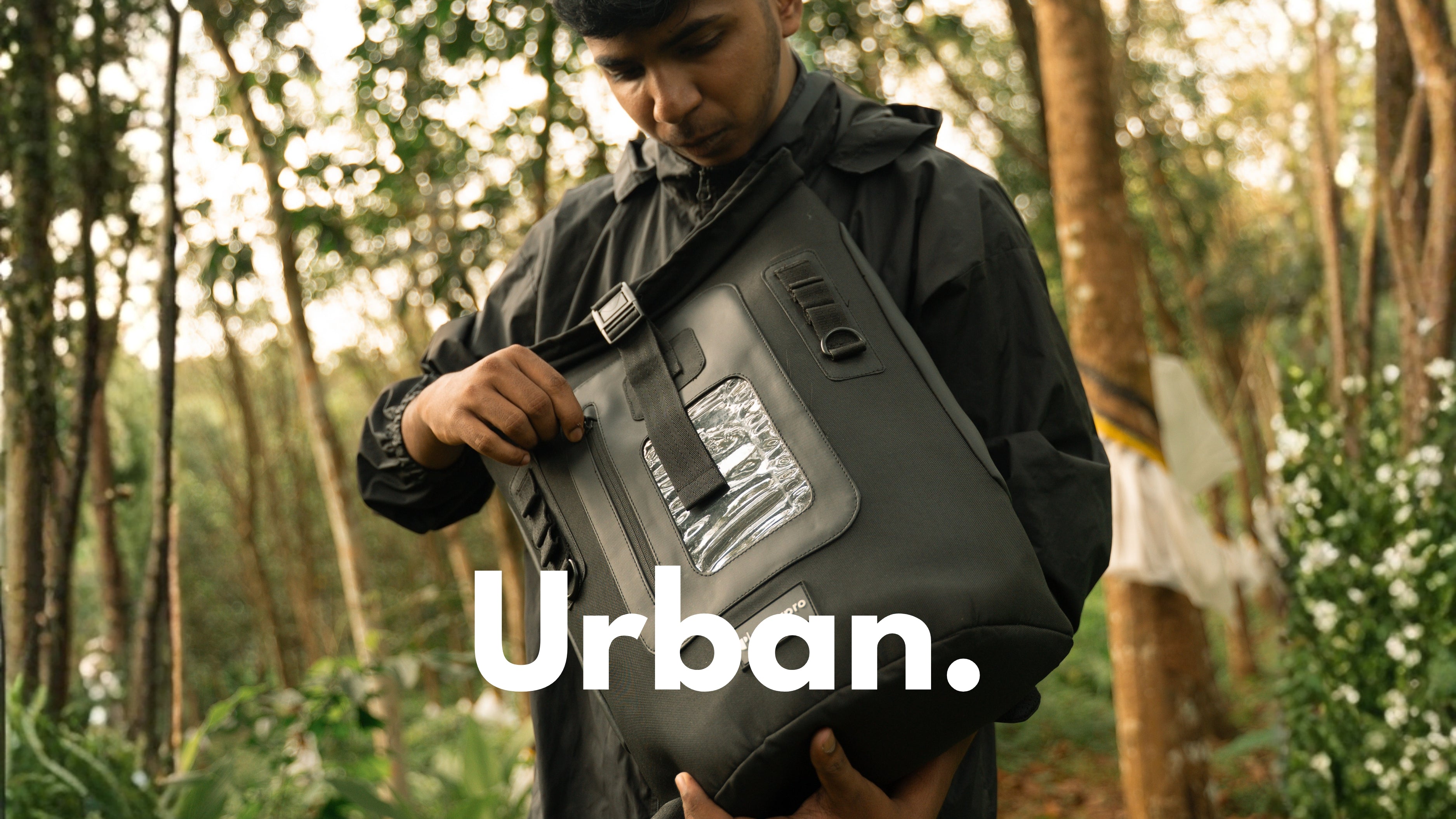


Hostel backpacking in India means narrow staircases without elevators, shared dorm rooms with limited locker space, overnight trains with cramped luggage racks, and auto rickshaw rides between bus stops and front doors. A suitcase does not survive this. A bag that is too big does not fit the lockers. A bag that is too small leaves you buying basics at every destination. Getting the size and packing right before the first hostel check-in sets the tone for the entire trip.
What Size Backpack Works for Hostel Travel in India
Hostel lockers in India typically measure 40 to 50 cm wide, 30 to 40 cm deep, and 50 to 60 cm tall. A backpack that does not fit inside the locker stays on the bunk bed, exposed to the room and everyone in it. Matching the bag to the locker size keeps gear secure.
30 to 35 Litres: Short Trips and Minimalist Packers
A 30L backpack fits comfortably inside most hostel lockers. For trips of 3 to 7 days with one laundry cycle, a 30L bag holds 4 to 5 outfits, toiletries, electronics, and a pair of sandals. The Overnighter backpack at 30L opens like a suitcase for easy access, includes a rain cover, and fits most domestic airline cabin limits.
35 to 40 Litres: The Backpacker Standard
A 40L backpack handles 1 to 3 week trips with regular laundry access. Hostels in Goa, Rishikesh, Manali, and Hampi all have laundry services or nearby laundromats. Carrying clothes for a full week and washing mid-trip extends the wardrobe indefinitely. According to Hostelworld data, India ranks among the top 10 destinations globally for hostel bookings, with Goa, Jaipur, and Varanasi leading in volume.
The HOBO40 travel backpack at 40L is designed for exactly this use case. Rain cover included, waist pouch included, and cabin-compliant dimensions for when the trip includes domestic flights between cities.
Over 45 Litres: Usually Too Much
Bags above 45L encourage overpacking and often do not fit hostel lockers. A 60L or 70L trekking pack makes sense for dedicated Himalayan treks, but for city-to-city hostel hopping, a smaller bag forces smarter packing and moves faster through train stations and bus stops. The guide on 30L vs 40L backpacks compares both sizes for different trip types.
What to Pack for Hostel Backpacking in India
Hostel travel demands a different packing approach than hotel travel. Sharing a room with strangers, using communal bathrooms, and moving between cities every 2 to 3 days changes what matters.
Clothing
Follow the 5-4-3-2-1 formula: 5 tops, 4 bottoms, 3 accessories (sunglasses, hat or scarf, belt), 2 pairs of shoes (one worn), 1 light jacket. Choose quick-dry fabrics that wash easily in a sink and dry overnight on a hostel balcony railing. Cotton takes 12 to 24 hours to dry. Polyester and merino dry in 4 to 6 hours. For temple visits in Varanasi, Madurai, or Amritsar, pack a scarf or shawl to cover shoulders and knees.
Toiletries
Travel-size everything. A compact toiletry kit with a hanging hook works better than a flat pouch in communal bathrooms where counter space is limited or non-existent. Shower flip-flops are essential. Hostel bathroom floors are shared, and going barefoot is not recommended.
Security Essentials
A small padlock for hostel lockers. Not every hostel provides locks, and combination locks are easier to manage than key locks (no key to lose). A sling bag worn on the body during sightseeing keeps phone, wallet, and passport close. Leaving valuables in a locker works when you have a lock. Without one, carry them on you.
Electronics
Phone, charger, power bank, earbuds, and a universal plug adapter (Indian hostels sometimes have international-style outlets). A tech organiser keeps cables tangle-free and prevents small items from getting lost in the main compartment.
Packing Cubes
Compression packing cubes are non-negotiable for hostel travel. Opening a backpack in a dark dorm room at 6 AM without waking roommates requires knowing exactly where everything is. One cube per category (tops, bottoms, undergarments) means pulling the right cube in the dark takes 5 seconds.
How to Pack the Backpack for Hostel Hopping
Weight distribution and access frequency determine packing order.
Bottom: Shoes and Rarely Needed Items
A packed pair of sandals or sneakers (in a bag to keep them separate from clothes), a first aid kit, and any extra clothes for specific occasions go at the bottom. Placing shoes in a separate bag prevents dirt from touching clean clothes.
Middle: Clothing Cubes
All clothing cubes stack in the middle section. Rolling clothes before cubing saves 20 to 30% of space. A detailed guide on packing a travel backpack efficiently covers the full rolling and cubing technique.
Top and Pockets: Daily Essentials
Toiletry kit, charger, power bank, earbuds, snacks, and documents go in the top section and front pocket. On check-in day at a new hostel, the front pocket provides everything needed immediately. The rest stays packed until settled.
The Hostel Backpacker's Daily Bag
Leaving the main backpack in a hostel locker and exploring with a smaller bag is standard hostel protocol. A sling bag or a packable daypack carries phone, wallet, water bottle, sunscreen, and a camera for the day. Carrying the full 40L backpack around Jaipur's markets or Goa's beaches is unnecessary and uncomfortable.
Pack Light. Move Fast. Stay Longer.
Hostel backpacking in India rewards light, organised packers. A 35 to 40L backpack with packing cubes, a compact toiletry kit, and a sling bag for daily use covers multi-week trips without checked luggage or overstuffed bags. Check the travel backpack collection for bags built to handle Indian hostel travel from check-in to checkout.
Browse CarryPro by category
Cameras: Camera backpacks · Camera sling bags · Photographer backpacks
Travel: Travel backpacks · 40L travel backpacks · Carry-on backpacks · Overnighter bags
Daily: Everyday backpacks · Lightweight backpacks · Laptop backpacks · City backpacks
Add-ons: Travel accessories · Rain covers · Packing cubes · Toiletry bags
Frequently Asked Questions
What size backpack is best for hostel travel in India?
A 35 to 40 litre backpack handles 1 to 3 week hostel trips with regular laundry. A 30L bag works for shorter trips of 3 to 7 days with minimal packing.
Do backpacks fit in hostel lockers?
Most hostel lockers fit bags up to 40 to 45 litres. Bags above 50L often do not fit and need to be left on the bunk, which is less secure.
What should I pack for hostel backpacking in India?
Five tops, four bottoms, one jacket, quick-dry fabrics, travel-size toiletries with shower flip-flops, a padlock, a sling bag for daily carry, a power bank, and packing cubes for organisation.
Should I bring a sleeping bag to Indian hostels?
Most Indian hostels provide bedding and linen. A sleeping bag is unnecessary unless you are staying in very basic dormitories in remote hill stations or trekking huts.
How do I keep my stuff safe in a hostel?
Use a padlock on the hostel locker. Carry valuables (phone, wallet, passport) on your body in a sling bag during the day. Never leave electronics on an unattended bunk.
Can I backpack India for a month with a 40L bag?
Yes. A 40L backpack with 5 to 7 days of quick-dry clothing, washed weekly at hostels or laundromats, handles trips of any length. Packing for a week is packing for a month.