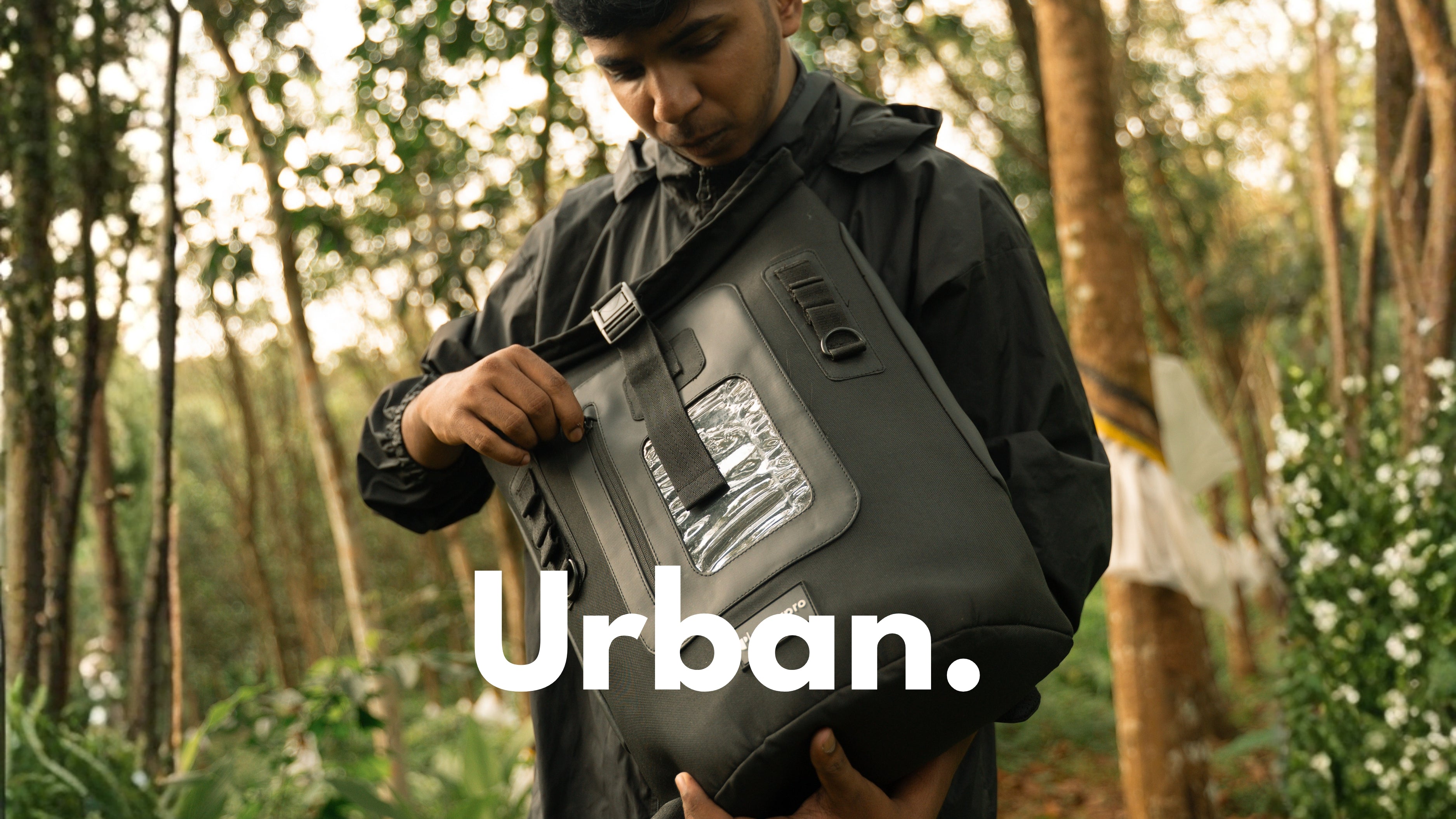


You don't always need a dedicated camera bag. Sometimes you already own a backpack you love, one that fits well, matches your style, and has the right capacity for your day. The only thing it's missing is protection for your camera gear.
A camera insert solves this without replacing your bag. It's a padded, divided cube that drops into any backpack, tote, or shoulder bag and turns it into a functional camera carrier. When you're done shooting, pull the insert out, and your bag goes back to being a regular bag.
Our guide covers how camera inserts work, what to look for before buying one, and when an insert makes more sense than a dedicated camera backpack.
What Is a Camera Insert and How Does It Work?
A camera insert (also called a camera cube) is a soft, padded box with adjustable dividers inside. You place your camera body in one section, your lenses in others, and the padding keeps everything separated and protected from impact.
The drop-in concept
The insert sits inside your existing bag. It doesn't attach to the bag's walls or require any modification. You simply measure your bag's interior, choose an insert that fits, and drop it in. The insert's own padding creates a protected camera zone inside whatever bag you're using.
Removable dividers for flexible layouts
Most camera inserts come with velcro-attached dividers that you can move, remove, or reconfigure. This lets you adjust the interior layout based on what you're carrying that day. One body and two lenses on Monday. One body, one lens, and a compact drone on Saturday. The same insert handles both setups.
Standalone carry with a sling belt
Some camera inserts come with their own carrying strap or sling belt. This means you can use the insert as a standalone camera carrier without putting it inside a bag at all. Clip the belt on, sling it over your shoulder, and you have an ultra-minimal camera carry for short walks or quick shoots.
Why Would You Use a Camera Insert Instead of a Camera Bag?
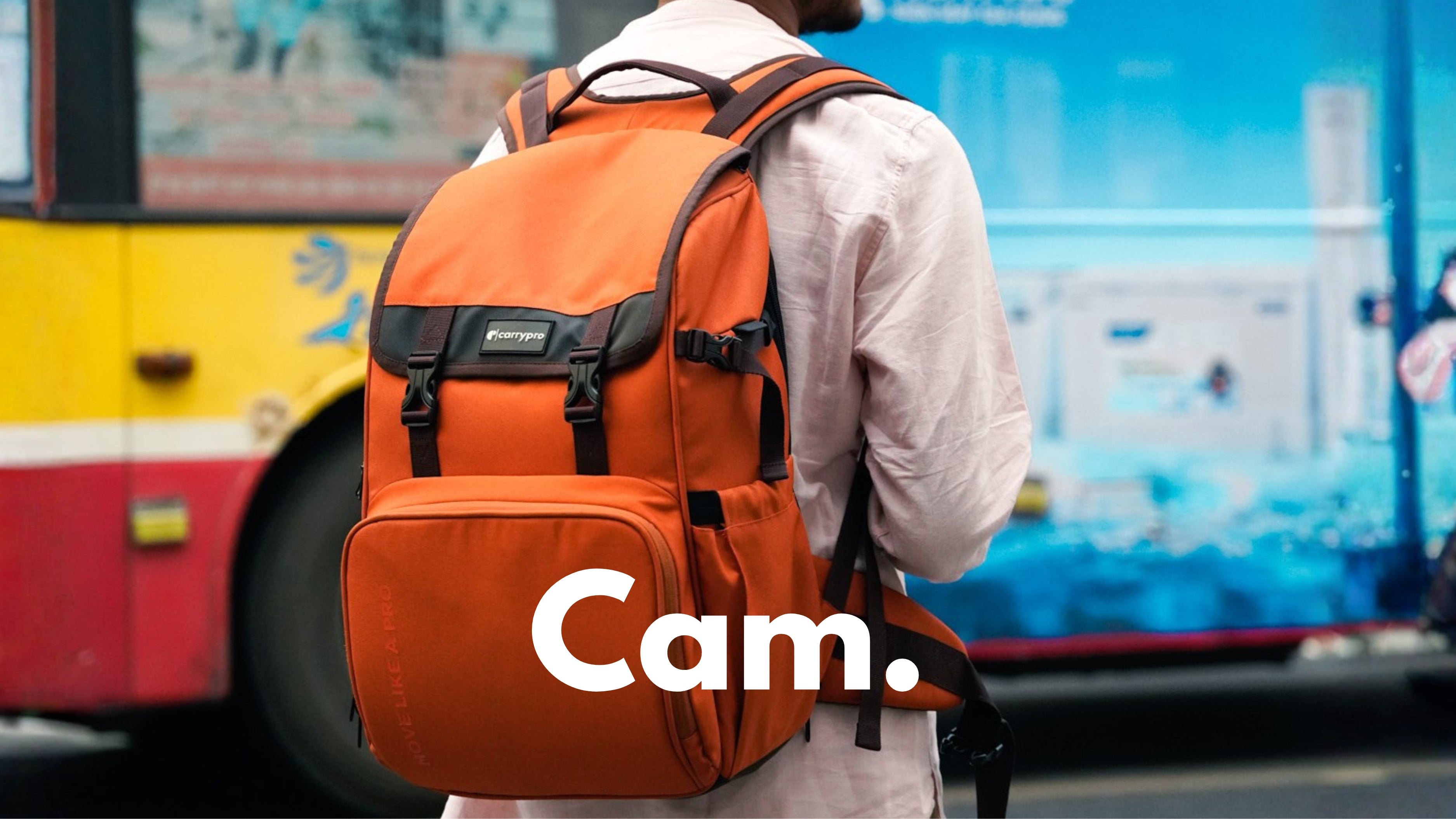
A dedicated camera bag like the Pango V2.0 is designed from the ground up for camera gear. It has side access, a flat-opening laptop compartment, a rain cover, and purpose-built pockets. If camera photography is your primary activity on most days, a dedicated bag is still the best option.
But there are specific situations where an insert is the smarter choice.
You already own a bag you love
Maybe it's an everyday backpack that fits perfectly, or a tote that matches your work wardrobe. Buying a second bag just for camera days means owning and storing multiple bags. An insert lets your existing bag double as a camera bag whenever you need it.
You want to stay discreet
Camera bags announce "expensive gear inside" to everyone around you. A regular backpack with a camera insert looks like a regular backpack. This matters in crowded markets, public transport, and unfamiliar cities.
You shoot occasionally, not daily
If you pick up your camera two or three times a week rather than every day, dedicating an entire backpack to camera use feels excessive. An insert gives you camera protection on the days you need it and disappears into a drawer on the days you don't.
You need one bag for everything
Drop a camera insert into your travel backpack, and the camera section coexists with clothes and personal items in one bag. Pull the insert out at your destination, and the bag becomes a regular daypack.
What Should You Look for in a Camera Insert?
Size that matches your bag's interior
This is the most common mistake. People buy an insert matching their camera gear without checking whether it fits their bag. Measure the internal width, depth, and height of your bag first. Then choose an insert that fits within those dimensions with about 1 cm of clearance on each side. Too tight and it's hard to drop in. Too loose and it slides around, defeating the purpose.
Divider thickness and quality
Thin foam dividers compress under weight and let gear shift. Look for dividers at least 8mm thick, rigid enough to hold shape, and covered in soft material like velvet that won't scratch lens coatings. Velcro attachment is standard. Make sure the strips are wide enough that dividers don't peel off when you pull a lens out quickly.
Padded base and walls
The base takes the most impact since the bag hits the ground every time you set it down. All six sides of the insert should be padded, with the base ideally being the thickest. A semi-rigid base panel is even better, as it absorbs drops without transferring shock to the gear inside.
Carrying handle or sling belt
A handle on top of the insert makes it easy to lift the entire camera section in and out of your bag as a single unit. A removable sling belt goes further, letting you carry the insert standalone when you don't want to bring the full backpack.
Zippered top closure
An insert with an open top relies entirely on your bag's closure to keep gear secure. A zippered or flap closure on the insert adds a second layer of security and keeps dust out even when the insert is sitting outside the bag.
What Bags Work Best with a Camera Insert?
Not every bag is a good host for a camera insert. Here's what to check.
Enough depth for your camera body
Your camera body with a lens attached is the tallest item you'll place in the insert. The bag needs enough internal depth that the insert sits below the bag's closure line. If the insert sticks out the top, you can't close the bag properly.
Structured enough to support the insert
A very soft, unstructured bag (like a thin canvas tote) will sag under the weight of camera gear, putting pressure on the insert from the sides. Bags with a padded back panel and some structural rigidity, like the HOBO25 rolltop or the Mojo V2, hold their shape and support the insert properly.
Top access wide enough for the insert
If the bag's opening is narrower than the insert, you'll struggle to drop it in and pull it out. Rolltop backpacks and bags with wide top openings work best.
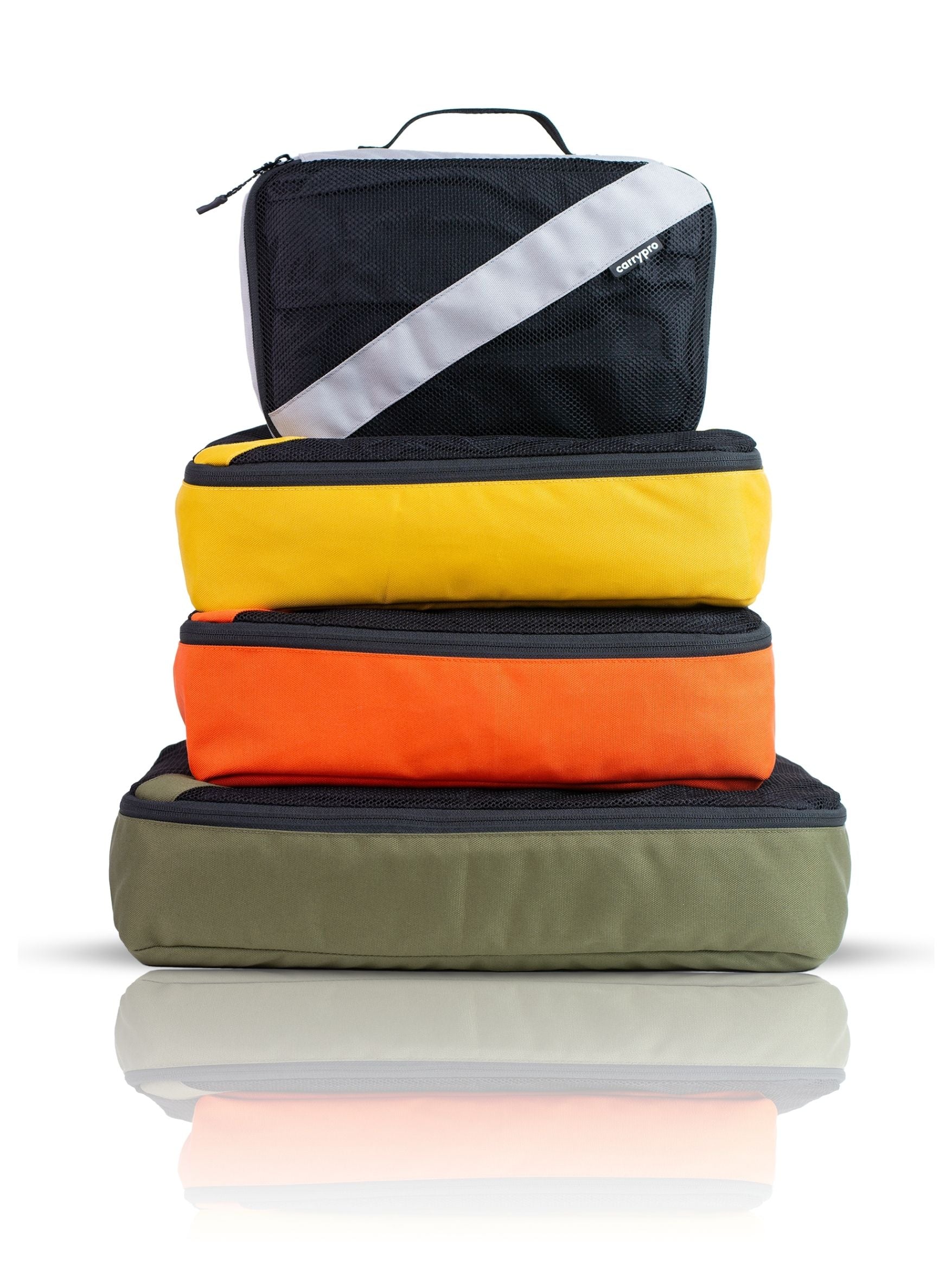
The CarryPro PRO Camera Cube V2.0
The PRO Camera Cube V2.0 is built to work as both a drop-in insert and a standalone camera carrier.
What's inside
5 padded, adjustable velcro dividers that let you configure the layout for a DSLR or mirrorless body, lenses, a flash, batteries, and SD cards. Soft-lined interior that won't scratch gear. Padded on all six sides with a reinforced base.
Standalone carry
Comes with a removable sling belt so you can carry it on its own for quick shoots, café visits, or short walks where a full backpack is overkill.
Works with any CarryPro backpack
Drops into the HOBO25, the HOBO40, the Overnighter, or any bag with enough interior space. It's also the same cube that comes bundled with the Pango V2.0 Camera Backpack, sold separately for those who already own a bag they want to convert.
Three colourways: Black, Olive Green, Rust Orange. Rs. 2,199. See the full details here.
If you need a full camera carry system with a laptop compartment and side access, the Pango V2.0 includes this cube plus a dedicated camera backpack. And for a faster, lighter camera carry on city days, the Pro Camera Sling Bag at 10L is another option.
Browse all camera bags or explore the full range.
FAQs
Will a camera insert fit any backpack?
It will fit most backpacks as long as the bag's internal dimensions are larger than the insert's external dimensions. Measure your bag's interior first, then check the insert's size. Allow about 1 cm of clearance on each side.
Is a camera insert as protective as a dedicated camera bag?
The insert itself provides the same padded divider protection. The difference is that a dedicated camera bag adds features like side access, a rain cover, and a laptop compartment that an insert inside a regular bag won't have.
Can I use a camera insert in a tote or messenger bag?
Yes, as long as the bag has enough depth and structure to support the insert's weight. A rigid tote works fine. A very soft, unlined tote will sag and put pressure on the insert.
How do I clean a camera insert?
Wipe the exterior with a damp cloth. Shake out dust and debris from the interior. Avoid machine washing, as it can damage the foam padding and degrade the velcro strips on the dividers.