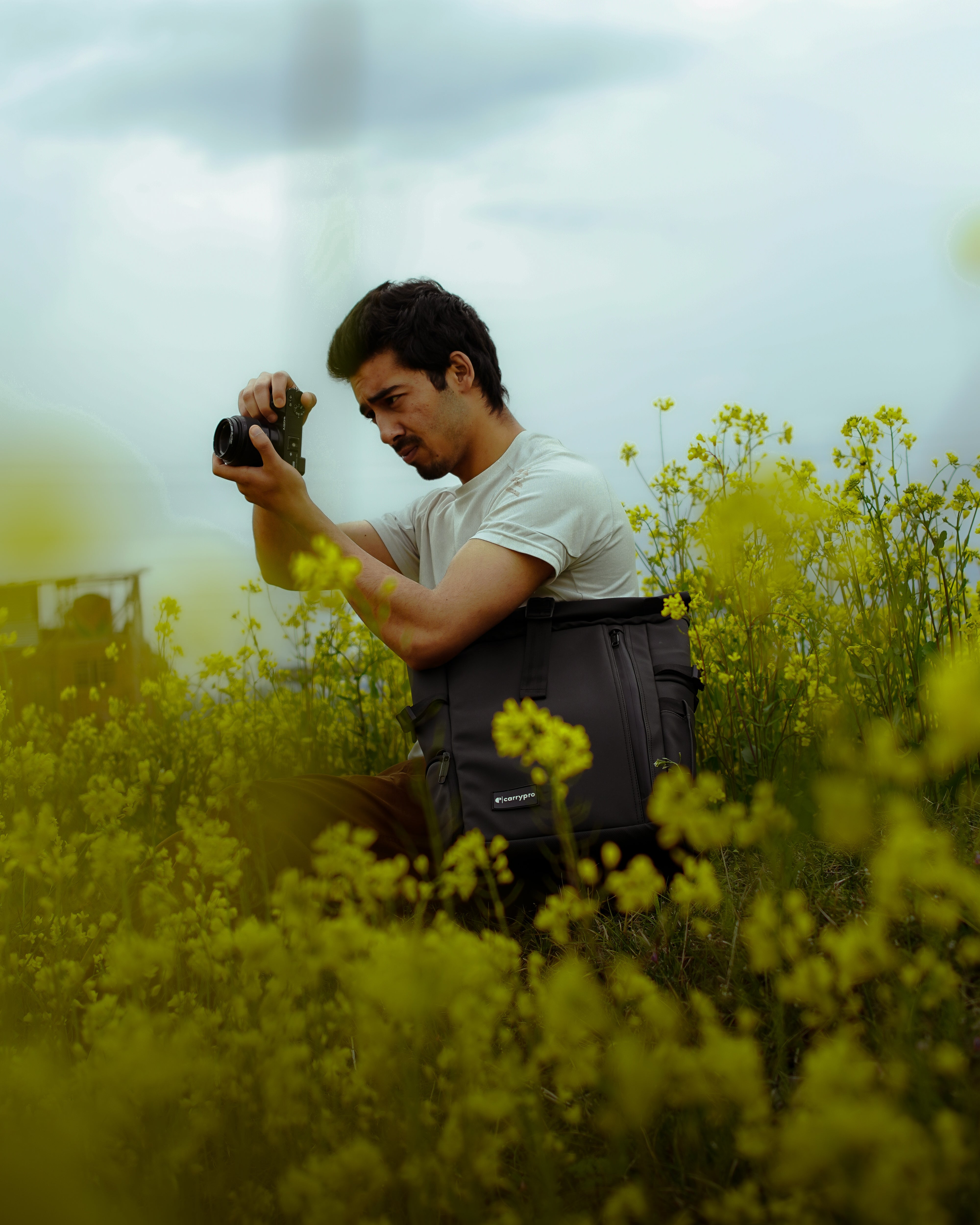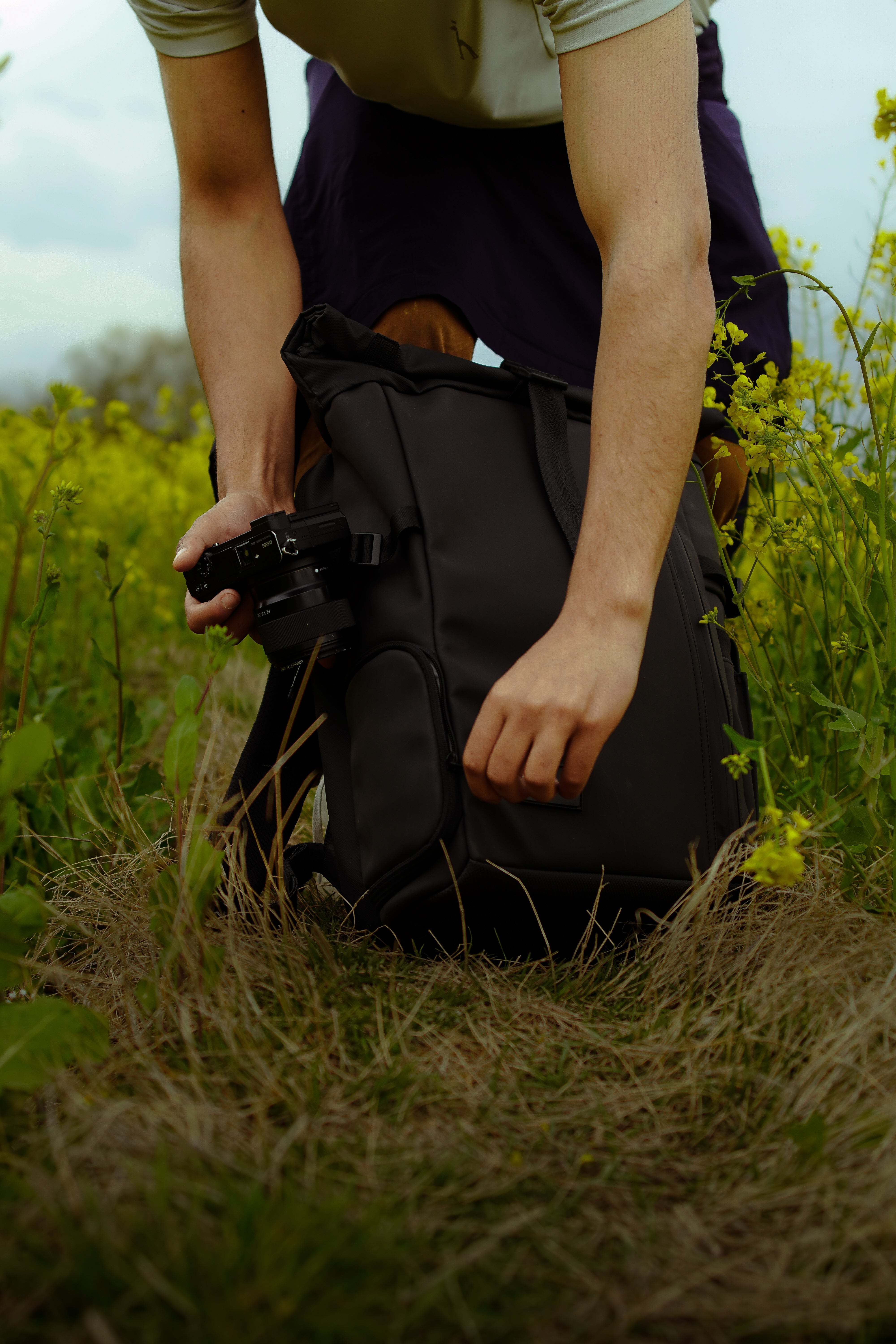
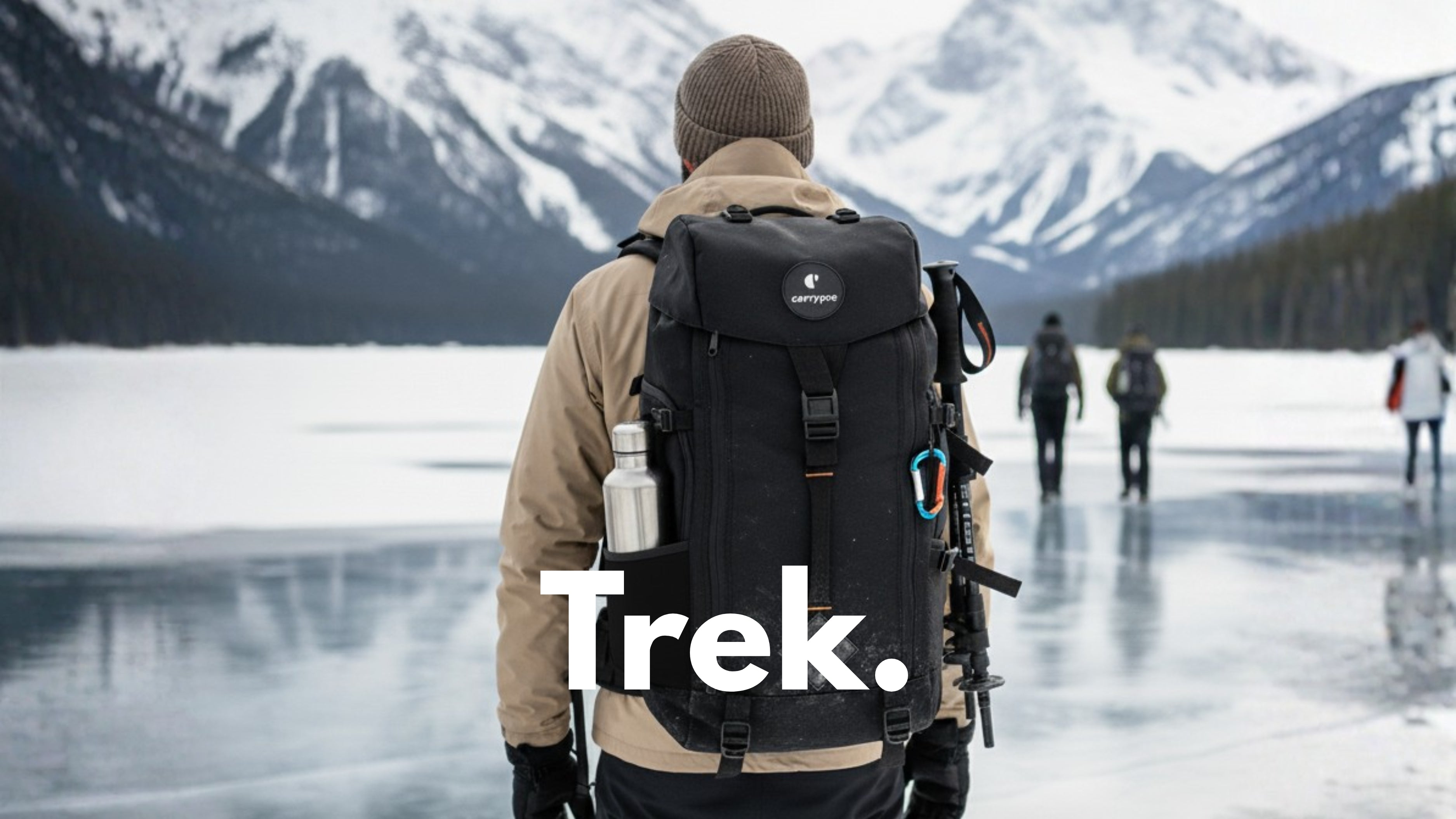
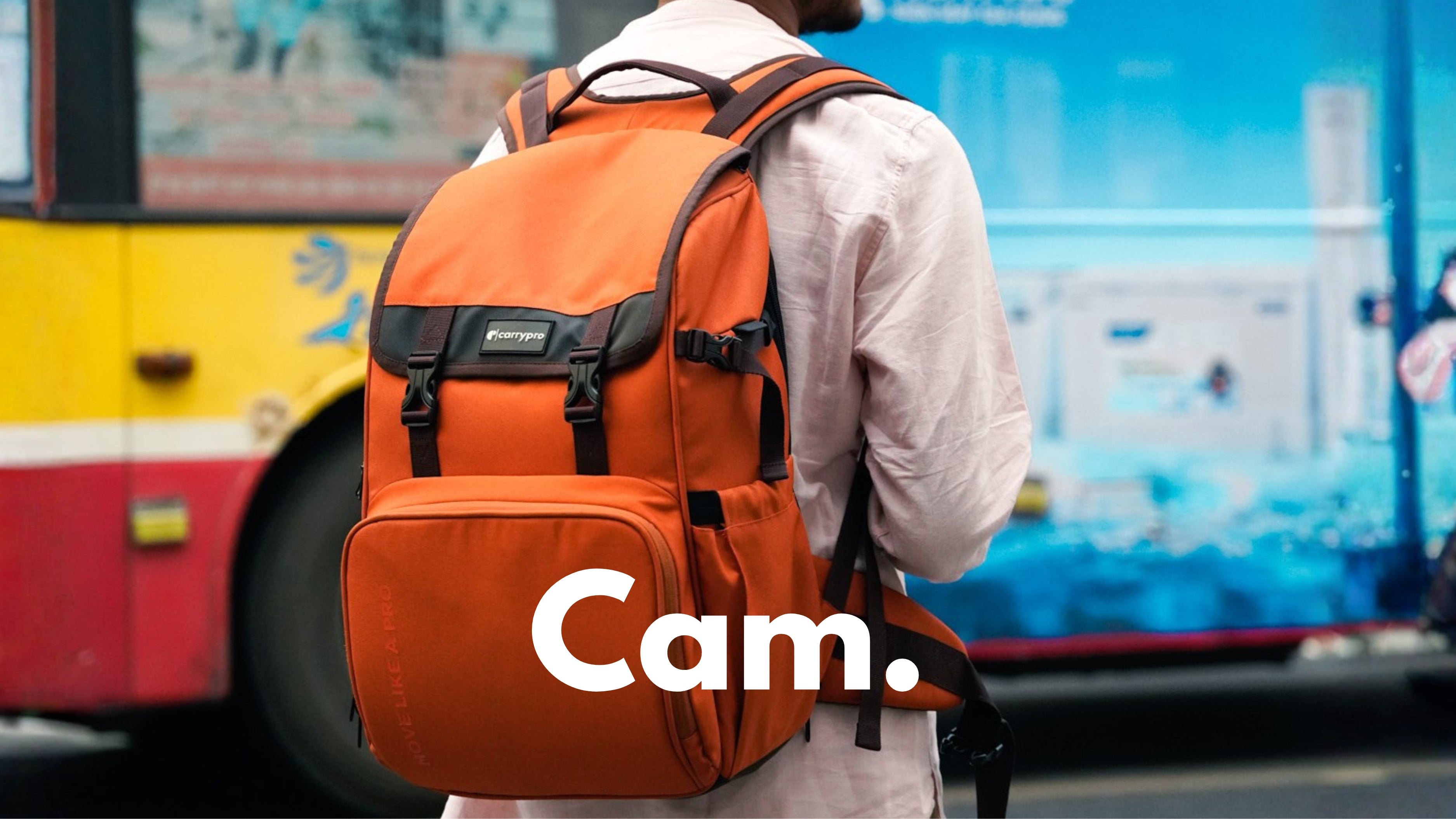
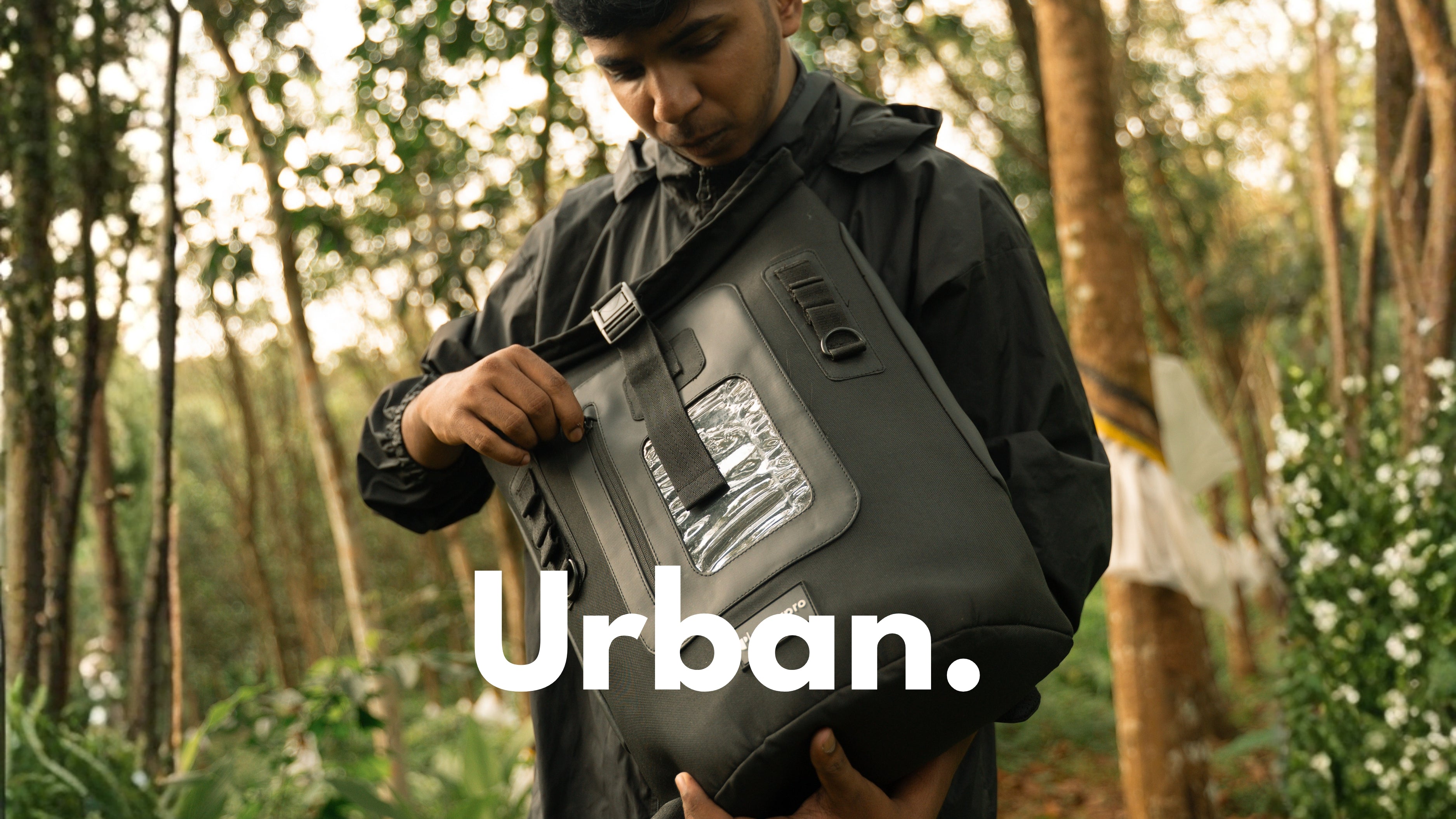

A day trip backpack should disappear on the body. When the bag itself weighs 1.5 kg before you put anything inside it, every additional item pushes toward shoulder fatigue by noon. A lightweight backpack under 1 kg leaves the full weight budget for water, snacks, a camera, and a light jacket instead of wasting it on the bag's own fabric and hardware.
Why Weight Matters for Day Trips
A full-day city walk in Jaipur, a temple tour in Varanasi, or a hill station day hike in Munnar involves 10,000 to 20,000 steps carrying the bag. Every 500 grams of bag weight adds cumulative strain over 4 to 6 hours of walking. According to the American Academy of Orthopaedic Surgeons, keeping total backpack weight under 10% of body weight prevents shoulder and back strain during extended carry.
For a 60 kg adult, that is a 6 kg total limit. Starting with a 1.5 kg bag leaves only 4.5 kg for contents. Starting with a 600 gram bag leaves 5.4 kg, nearly a full kilogram more for water, food, and gear.
What Makes a Backpack Lightweight
Weight savings come from fabric choice, hardware reduction, and simplified construction. Lightweight backpacks use thinner nylon or polyester (often 210D or 300D versus the 600D or 900D found in travel backpacks), lighter zippers, minimal internal padding, and fewer compartments.
The Trade-Off
Lighter fabric means less abrasion resistance. Fewer compartments mean less organization. Minimal padding means less laptop protection. A lightweight daypack is not a replacement for a padded laptop backpack or a structured travel backpack. A daypack excels at carrying the essentials for a single day when you leave the main luggage at the hotel.
What Size Lightweight Backpack Works for Day Trips
Daypacks range from 10 to 25 litres. The right size depends on what a typical day trip involves.
10 to 15 Litres: Ultra-Minimal
A 10 to 15L pack holds a water bottle, phone, wallet, sunscreen, a snack, and a light jacket. Nothing else. Ideal for city walks, museum visits, and beach days where you need hands-free carry for a few small items.
15 to 20 Litres: The Sweet Spot
A 15 to 20L pack adds room for a camera (compact or mirrorless with one lens), a guidebook or tablet, and a slightly larger lunch. For most day trips in Indian cities and hill stations, a bag in this range covers everything without feeling empty or overstuffed. The MOJO backpack at 20L and 600 grams fits this category, light enough for all-day carry with enough structure for a tablet and daily essentials.
20 to 25 Litres: Day Hikes and Active Days
A 20 to 25L pack handles day hikes with extra layers, a first aid kit, a rain jacket, and a larger water bottle or hydration bladder. For trekking days in Himachal, Uttarakhand, or the Western Ghats, a bag in this range carries enough gear without the bulk of a full trekking pack. The ZoPro AllPacker 22L at under 1 kg offers water-repellent fabric and a hidden passport pocket for day hikes and city exploring.
Features Worth Keeping in a Lightweight Pack
Cutting weight does not mean cutting every feature. A few design elements earn their grams.
Water-Resistant Fabric
Indian weather shifts quickly. A sudden shower during a Goa beach walk or an afternoon rain in Darjeeling can soak uncoated fabric in minutes. Water-repellent coating adds negligible weight but significant protection.
Side Water Bottle Pocket
Reaching into the main compartment for a water bottle every 30 minutes on a hot day is inefficient. An external mesh pocket keeps the bottle accessible without opening any zippers.
Padded Shoulder Straps
Even at 600 grams, thin unpadded straps dig into the shoulders when the bag holds 3 to 4 kg. Minimal foam padding on the straps adds comfort without significant weight.
Features to Skip for Weight Savings
Not every feature on a standard backpack belongs on a daypack. A laptop compartment adds padding weight that is unnecessary when the laptop stays at the hotel. A sternum strap and hip belt add carry points that only matter above 5 kg of total load. Multiple internal dividers and organiser pockets add fabric and stitching weight that a single-compartment daypack avoids. Rigid back panels add structure that a flexible, body-conforming daypack does not need.
The backpack size guide maps which features matter at which capacity, helping separate essential features from unnecessary bulk.
Packable Daypacks: The Travel Hack
Packable daypacks fold into a small pouch and store inside a main travel bag. On travel days, the daypack lives inside the 40L travel backpack. On exploring days, it comes out as a standalone bag. Carrying one big bag and one packable daypack eliminates the need for a second full-size bag on multi-destination trips.
Go Light. Explore Longer.
A lightweight daypack under 1 kg lets you explore for hours without the bag becoming the reason you head back early. Match the size to the day, keep the features minimal, and save the heavy carrying for the travel backpack that stays at the hotel. Browse the everyday backpack collection for lightweight options built for Indian day trips and city walks.
Frequently Asked Questions
What is a good weight for a day trip backpack?
A daypack under 1 kg is ideal for day trips. Bags between 500 and 800 grams offer the best balance of lightweight carry and basic durability.
Is a 20L backpack enough for a day trip?
Yes. A 20L backpack holds a water bottle, snacks, a camera, a light jacket, sunscreen, and personal items. For most day trips, 15 to 20L covers everything needed.
Can I use a lightweight daypack for commuting?
A lightweight daypack works for minimal commutes (laptop and charger only). For daily commutes with lunch, water bottle, and documents, a structured 20 to 25L laptop backpack is more practical.
Are packable backpacks durable enough for daily use?
Packable backpacks use thinner fabric for compressibility. For occasional day trips, durability is adequate. For daily use over months, a standard-weight backpack lasts longer.
What is the lightest backpack material?
Ripstop nylon at 210D or 300D denier is the lightest common material for daypacks. Ultra-lightweight options use Dyneema or silnylon but cost significantly more.
Should a lightweight backpack have a laptop compartment?
Only if you plan to carry a laptop on day trips. For most day use, skipping the laptop compartment saves 100 to 200 grams that are better used for water and snacks.
Explore the CarryPro Range
Shooting on the move? Browse our camera backpacks and camera sling bags.
Heading out? See our travel backpacks, 40L travel backpacks, and carry-on backpacks.
For daily use, check our everyday backpacks and lightweight backpacks.