


A backpack carries everything across both shoulders. A laptop bag carries less, looks sharper, and offers faster access to the device inside. Both work. Both fail under the wrong conditions.
The question of which one fits your week comes down to how far you walk, how often you open the bag, who sees you with it, and what else rides alongside the laptop.
What is the actual difference between a backpack and a laptop bag?
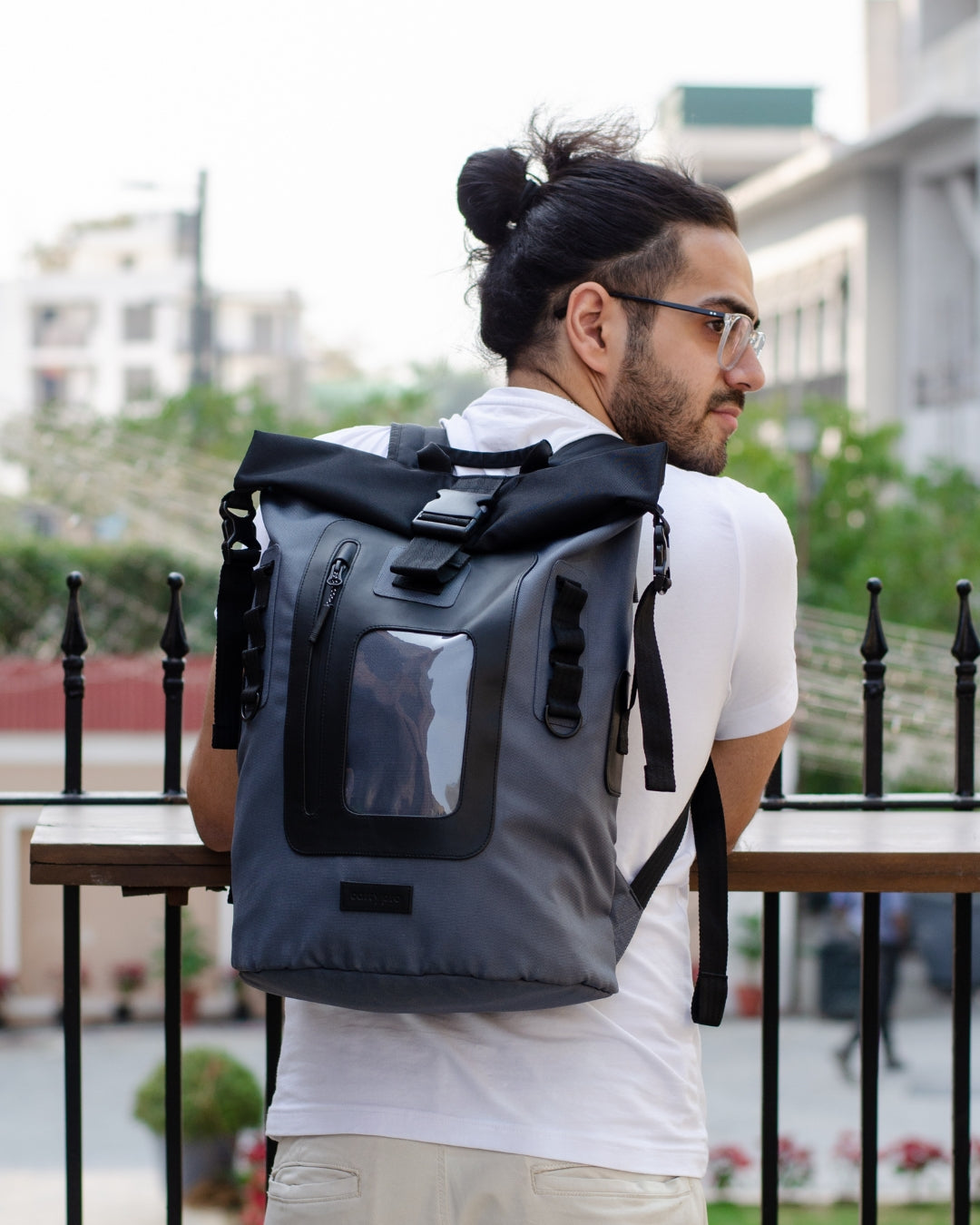
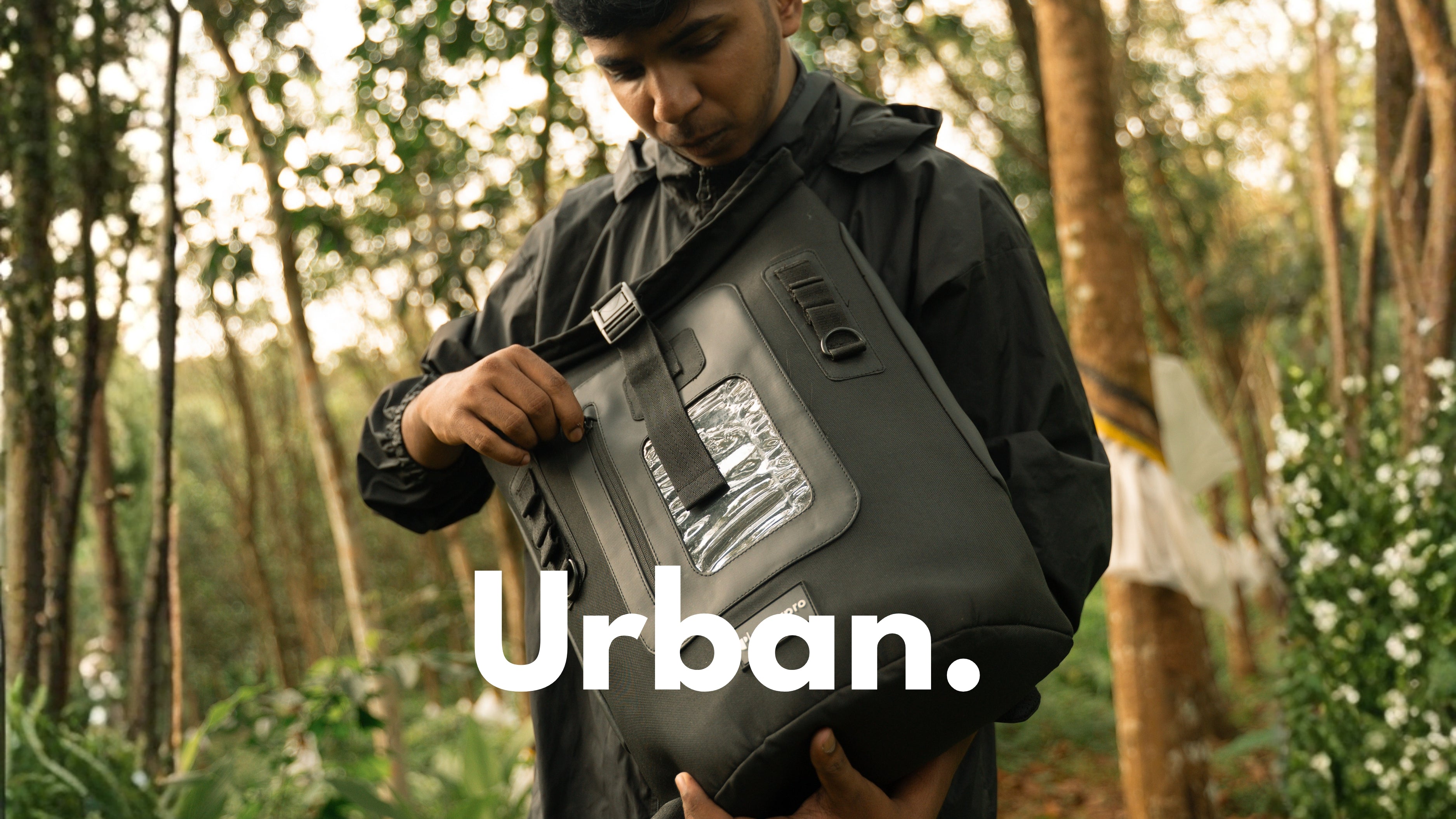
A backpack uses two padded straps to spread weight across both shoulders. A laptop bag uses one shoulder strap or a top handle to carry on one side, briefcase-style.
The form decides the function.
Carry mechanics: two straps versus one
A backpack distributes 4 to 6 kg of daily load evenly across the upper body. A laptop bag concentrates the same load on one shoulder. Across a 30-minute Metro commute, the difference shows up as fatigue, shoulder strain, and posture issues. Across a 10-minute walk between meeting rooms, the difference is invisible.
Capacity and organisation
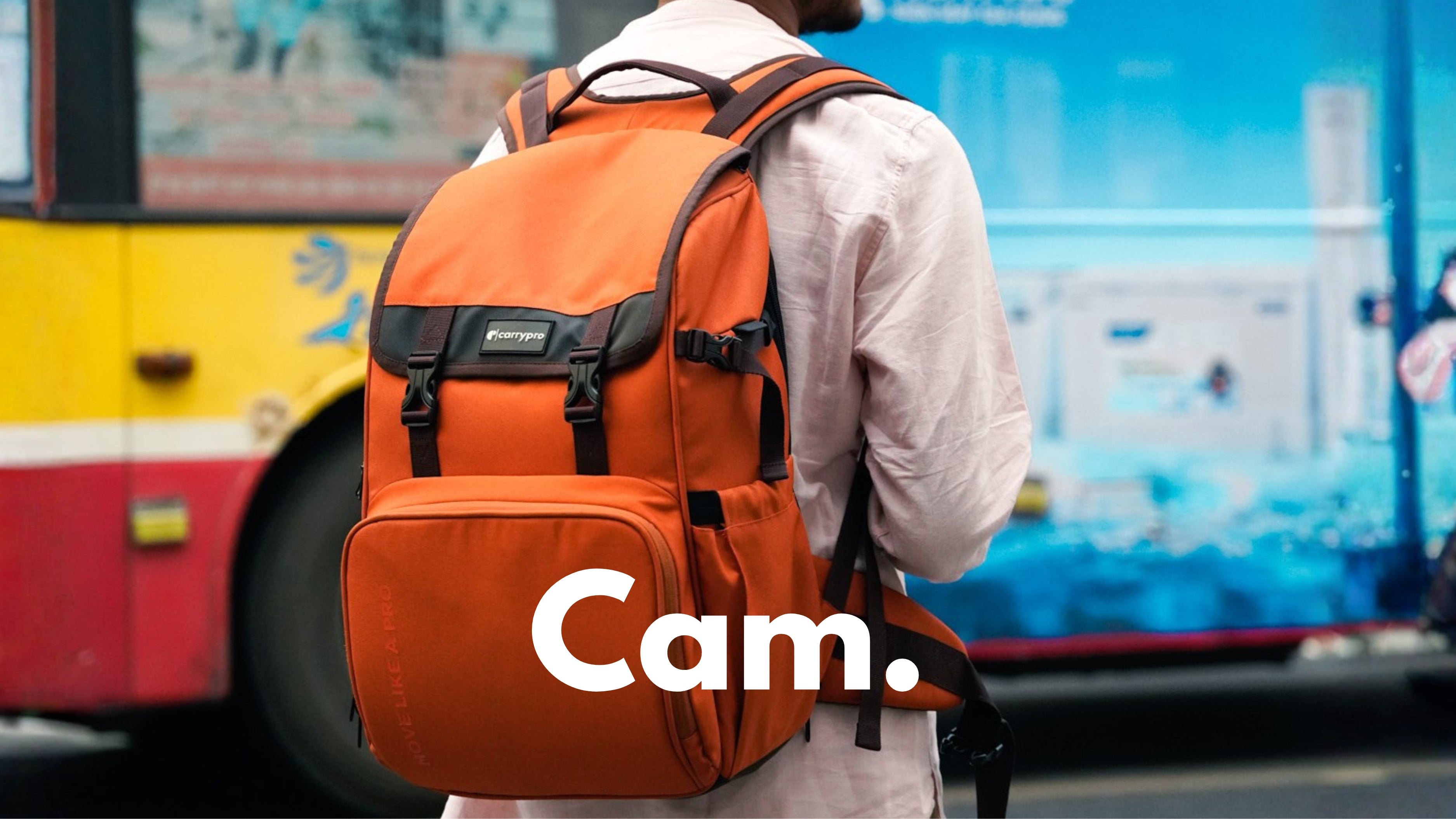
A laptop backpack holds 18 to 25 litres with multiple compartments for chargers, lunch, and a water bottle. A laptop bag holds 8 to 12 litres with two or three pockets sized for documents, a charger, and a phone.
Professional read
A laptop bag in leather or matte black reads as formal in a boardroom or client meeting. A backpack reads as practical in startups, IT offices, coworking spaces, and creative agencies. The acceptance gap has narrowed over the last five years, but a few legacy sectors still expect a laptop bag.
For the full feature breakdown across Indian offices, the office laptop bag selection guide lays out the trade-offs. The full backpack range sits in the laptop backpacks collection.
Browse CarryPro by category
Cameras: Camera backpacks · Camera sling bags · Photographer backpacks
Travel: Travel backpacks · 40L travel backpacks · Carry-on backpacks · Overnighter bags
Daily: Everyday backpacks · Lightweight backpacks · Laptop backpacks · City backpacks
Add-ons: Travel accessories · Rain covers · Packing cubes · Toiletry bags
Which bag fits your daily work pattern?
The right answer depends on five common work patterns. Each one has a clear winner when stacked against the bag's mechanics and the realities of Indian commutes.
The Metro, bus, or train commuter
A backpack wins, decisively. According to a MoveInSync travel report on Indian metro cities, the average urban office commute across Bangalore, Mumbai, Delhi-NCR, Hyderabad, Chennai, and Pune covers roughly 21 km in 50 minutes one way.
That length of carry on one shoulder causes real strain. A laptop backpack like the MOJO V2.0 keeps both hands free for Metro handles, ticket gates, and umbrellas, while spreading the load across the upper body. The CarryPro daily commute backpack guide covers the specifics for office, Metro, and college routes.
The cab and car commuter
A laptop bag wins. The full commute happens in a seat, not on shoulders. A laptop bag slides onto the seat next to you and lifts off in one motion at the office. Quick access to the laptop, a charger, and documents during a meeting beats the backpack's hands-free advantage when there is no walking.
The client-facing professional
A laptop bag still wins in older corporate sectors such as law firms, banks, and traditional consulting. A polished laptop bag projects formality that older clients still expect. In modern client environments (tech companies, startups, agencies), a clean black or grey laptop backpack like the KYND reads as intentional, not casual. The dress code of the room you are walking into is the deciding factor.
The hybrid worker between home, office, and cafe
A backpack wins. Hybrid work involves moving between three or four locations a week, often by foot, Metro, or two-wheeler. A backpack handles the variable carry distances. The same bag also fits a laptop, a charger, lunch, and a change of clothes in one shell, eliminating the need to switch carriers when the day's plan changes. The PRIME is built for this exact pattern.
The frequent business traveller
A backpack wins for travel days, a laptop bag wins for in-office days. Business travel involves airports, security checks, and walking with luggage. A backpack with a rear-access laptop sleeve like the HOBO25 V3.0 clears security in seconds and handles the carry from gate to hotel. Most frequent travellers end up owning both and swap based on the day's plan.
When does carrying both make sense?
Owning both bags makes sense when the workday includes formal and informal contexts on the same day, or when travel days and desk days require different gear loads.
Office plus client meetings the same day
A backpack for the commute, a laptop bag for the meeting. Carry the backpack on the Metro to the office, then transfer the laptop into the laptop bag for an external client meeting in the afternoon. The backpack stays at your desk. The laptop bag walks into the meeting. Two bags, one workday.
Travel days versus desk days
The travel-and-desk split is the most common reason to own both. A 30L or 40L travel backpack for trips, a slim laptop bag for daily office use. The Pro Tote Wide covers the laptop-bag side of the setup, with a structured laptop compartment and a clean exterior that pairs with formals.
How do you pick if you can only own one?
For most working professionals, the right single bag is a laptop backpack. A laptop bag is the right pick only if the commute is short, the office is formal, and the daily load is low.### The default for most working professionals
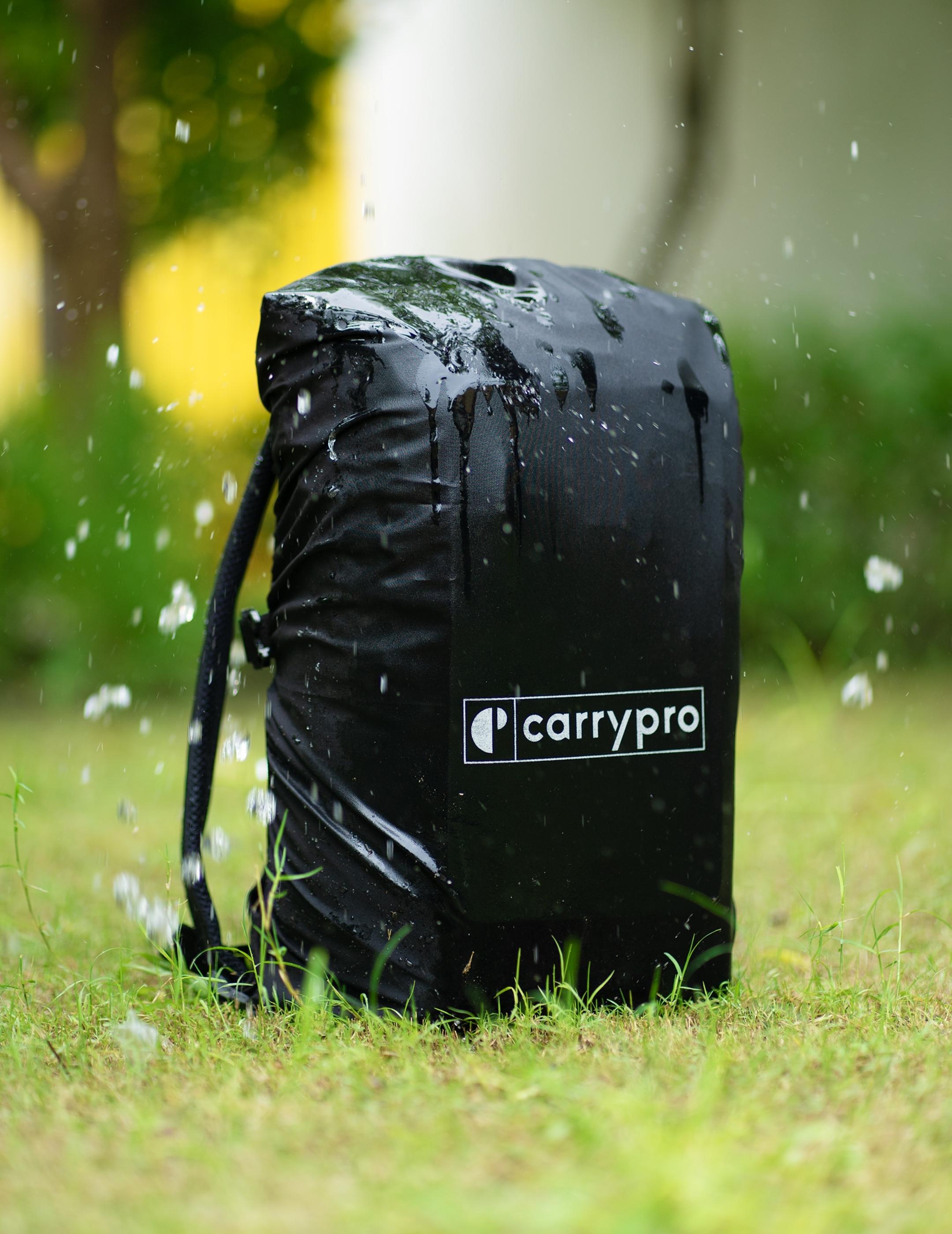
A laptop backpack is the safer default for 80 percent of Indian working professionals. The format handles long commutes, monsoon weather, multi-stop days, and weekend trips. The fit is proven across IT, consulting, design, content, and most modern office environments. The office backpacks collection covers the range.
When a laptop bag is the better single choice
Pick a laptop bag if the entire week happens in cab rides, the office is strictly formal, and the daily load fits in 10 litres. For senior professionals in legacy industries, the laptop bag stays the right call. For everyone else, the backpack does more jobs across more days.
Pick the Bag That Works the Way You Do
The bag is not the decision. The decision is the kind of week you actually live.
Long commutes, multiple stops, varied weather, and gear beyond the laptop call for a backpack. Short cab rides into a formal office that runs on documents and meetings call for a laptop bag. Most people overestimate the formality of their office and underestimate the time their bag spends on their shoulder. The shift to a backpack pays for itself the first month.
Browse laptop backpacks sized for office, college, and hybrid work.
Frequently Asked Questions
Is a backpack or laptop bag better for the office?
A backpack is better for daily comfort, especially on commutes longer than 15 minutes or any walking. A laptop bag is better for short formal commutes, client meetings, and senior corporate roles where appearance is the priority. In modern Indian offices, backpacks are now the default. In legacy sectors, laptop bags still hold the formal edge.
Are backpacks acceptable in corporate settings in India?
Yes, in most modern corporate settings. IT companies, consulting firms, banks, and agencies have widely accepted clean, structured laptop backpacks as professional carry. The exception is highly formal environments such as senior law-firm meetings, traditional finance roles, and government offices, where a leather laptop bag or briefcase still reads as more appropriate.
Can a backpack carry the same load as a laptop bag?
A backpack carries 2 to 3 times more than a laptop bag with better weight distribution. A typical laptop backpack holds 18 to 25 litres, fitting a laptop, charger, lunch, water bottle, notebook, and a change of clothes. A laptop bag holds 8 to 12 litres, fitting a laptop, charger, and a few documents.
Which bag is better for a 9 AM Metro commute?
A backpack. Crowded Metro coaches, ticket gates, and station-to-office walks demand a hands-free carry with even weight distribution. Carrying a laptop bag on one shoulder for 30 minutes daily causes neck strain and arm fatigue across months of use.
When should someone switch from a laptop bag to a backpack?
The switch is worth it when daily commute exceeds 15 minutes, includes walking on public transport, or carries more than the laptop. The switch is not necessary for short cab commutes into formal offices with minimal carry beyond the device itself.
Can a laptop bag hold a 15.6-inch laptop?
Yes. Most laptop bags now fit screens up to 15.6 inches, including 14-inch, 15-inch, and 15.6-inch sleeves. Check the listed internal dimensions before buying, since chassis sizes vary across brands even at the same screen size. The same applies to laptop backpacks.