




Best Trekking Backpacks
Trekking Backpacks
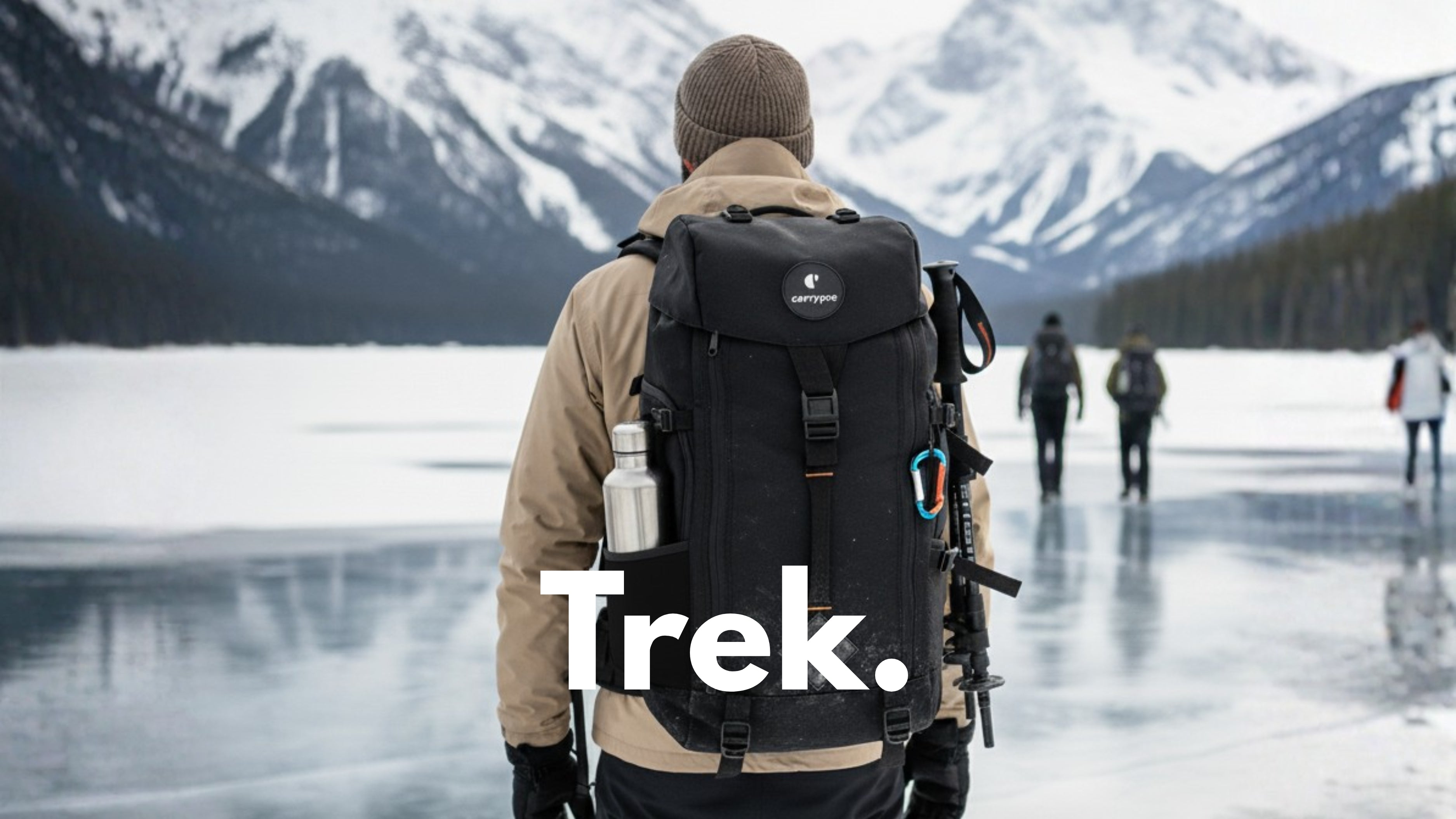
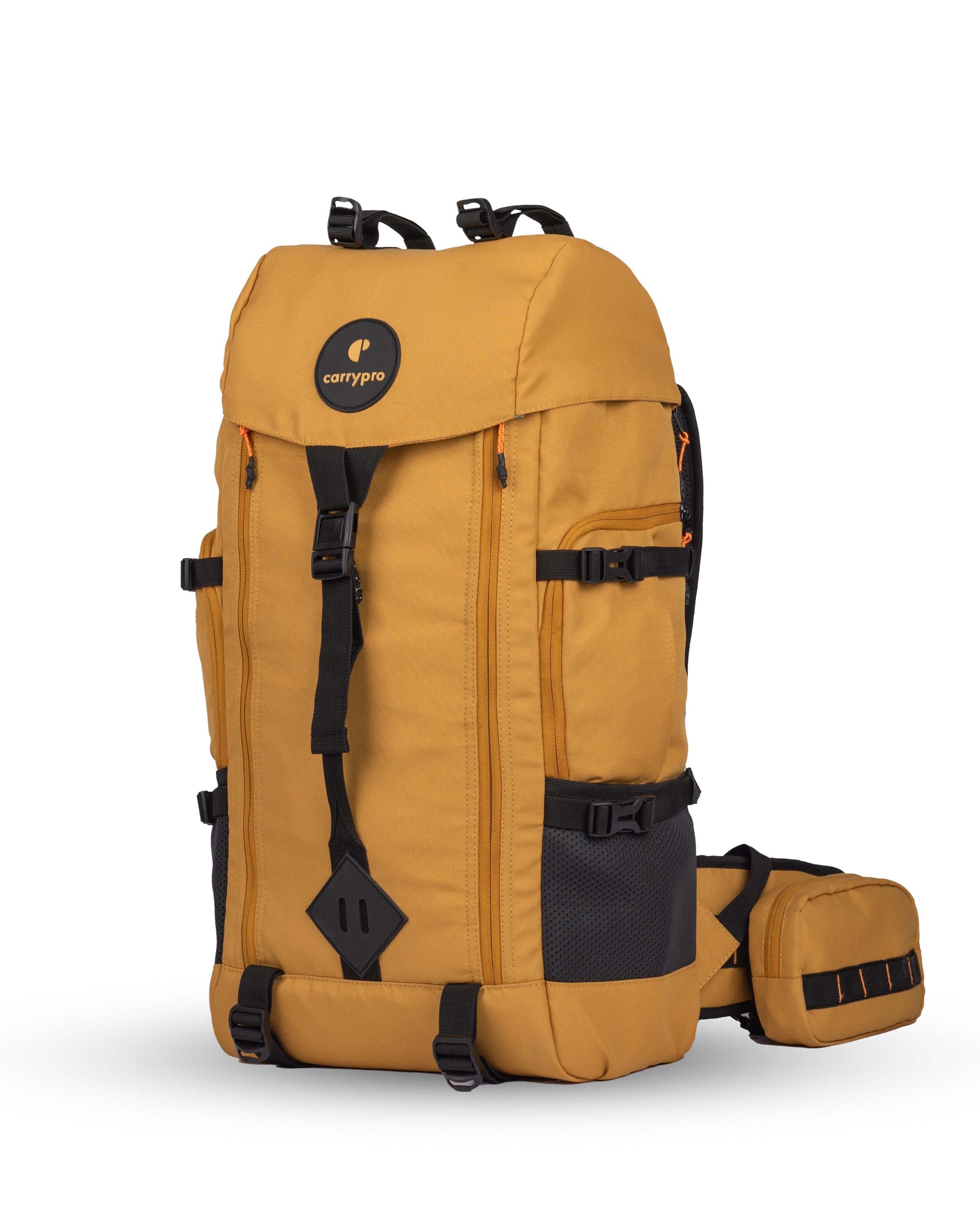
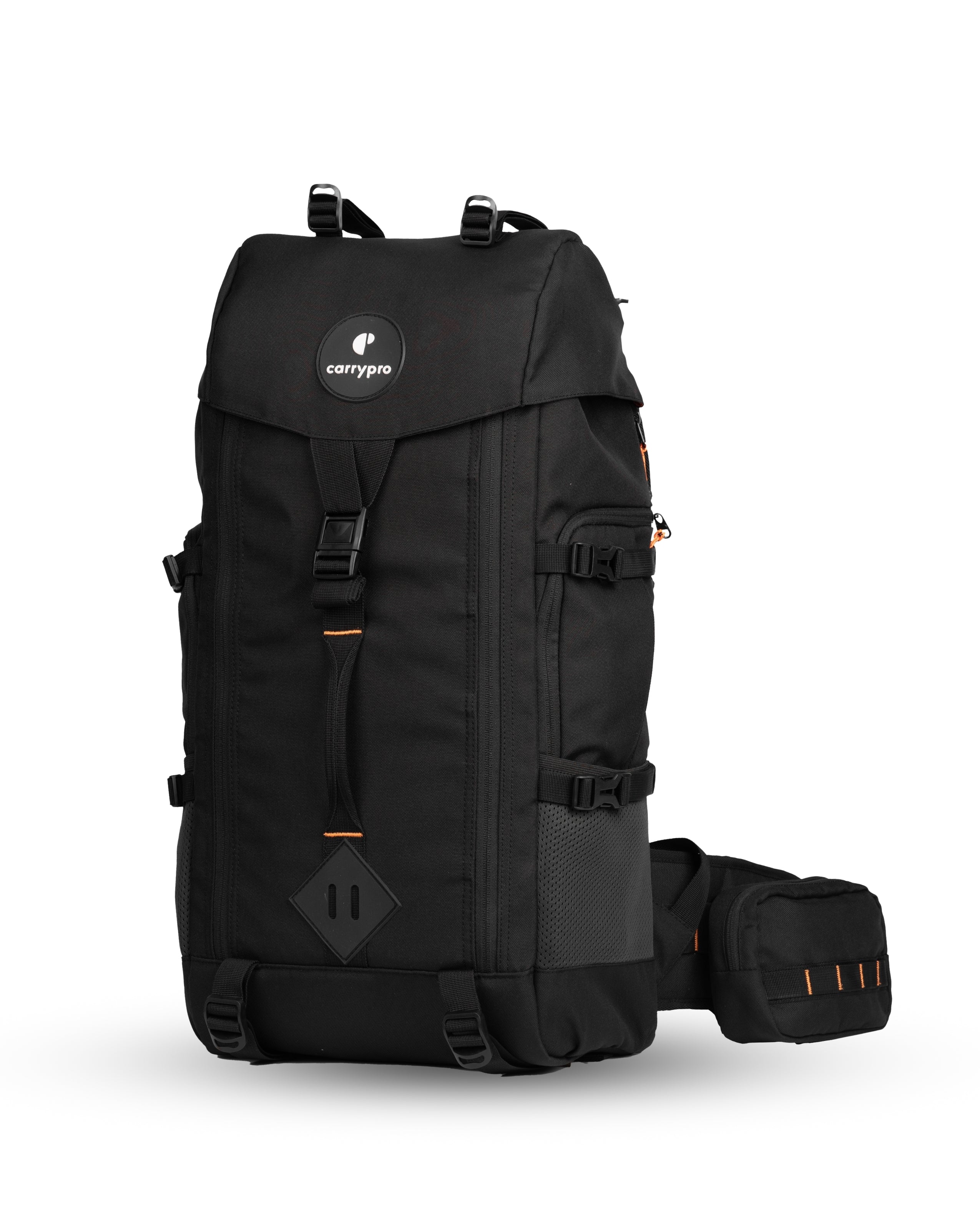
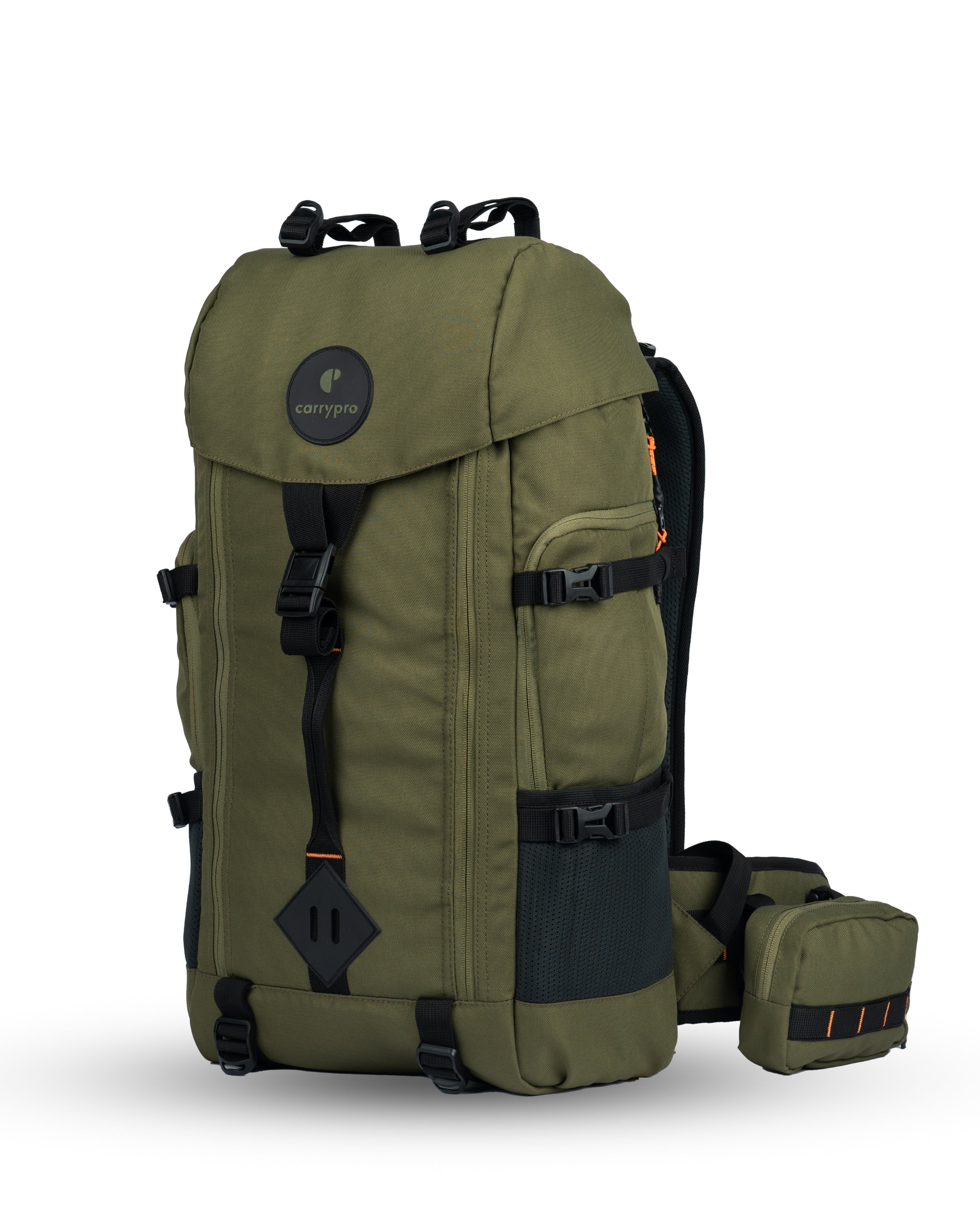
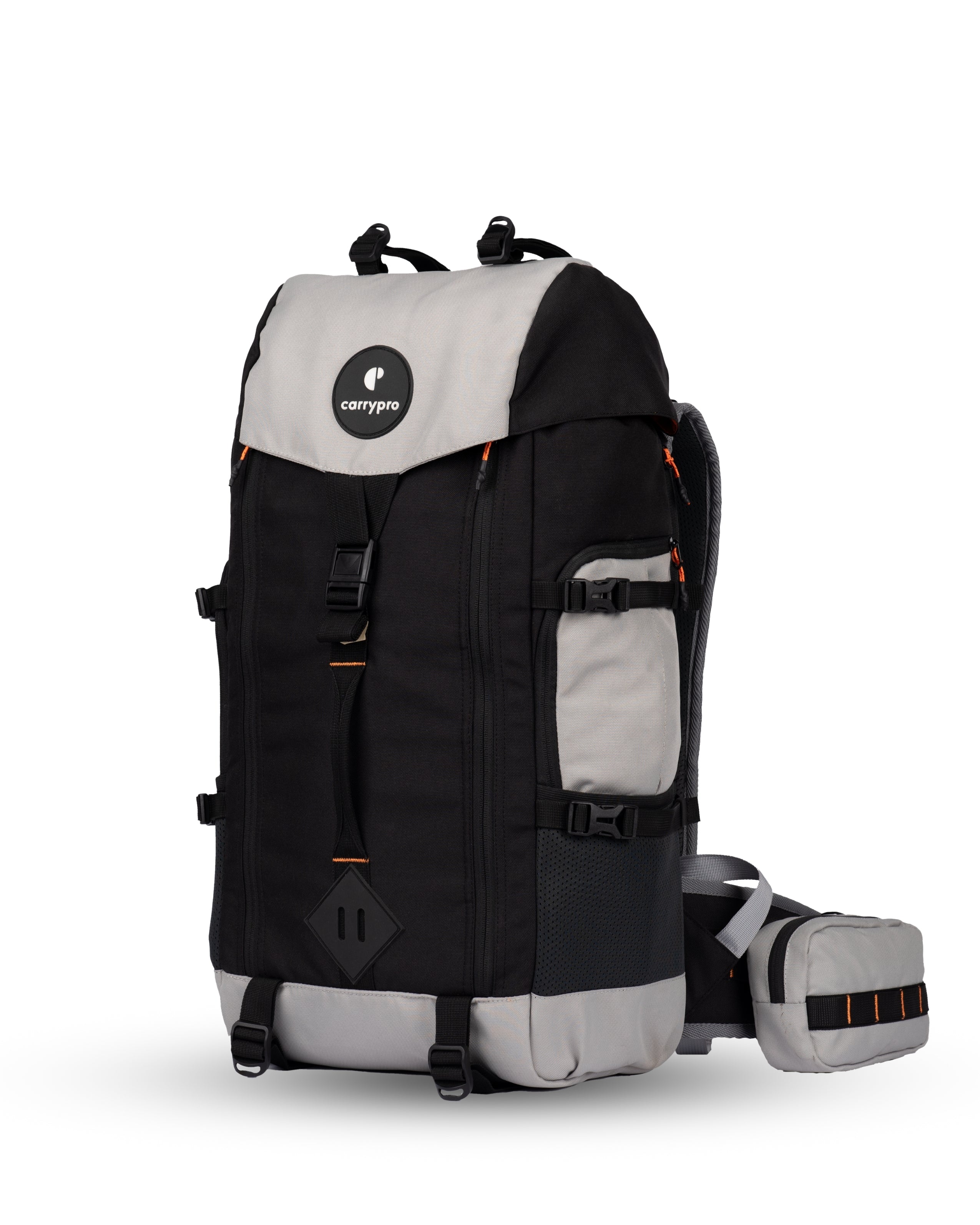
CarryPro trekking bags are built for hikers who want a reliable backpack for day treks, weekend hikes, and multi-day trail trips across India. Whether you are heading to Triund for a quick overnight, doing Kedarkantha in the snow, or spending a week in the Sahyadris, these trekking backpacks give you padded support, water-resistant protection, and enough capacity to carry everything between your trailhead and your campsite without weighing you down on the climb.
How to Choose the Right Trekking Bag for Your Trek
Day Treks (4 to 8 Hours): 20L to 25L
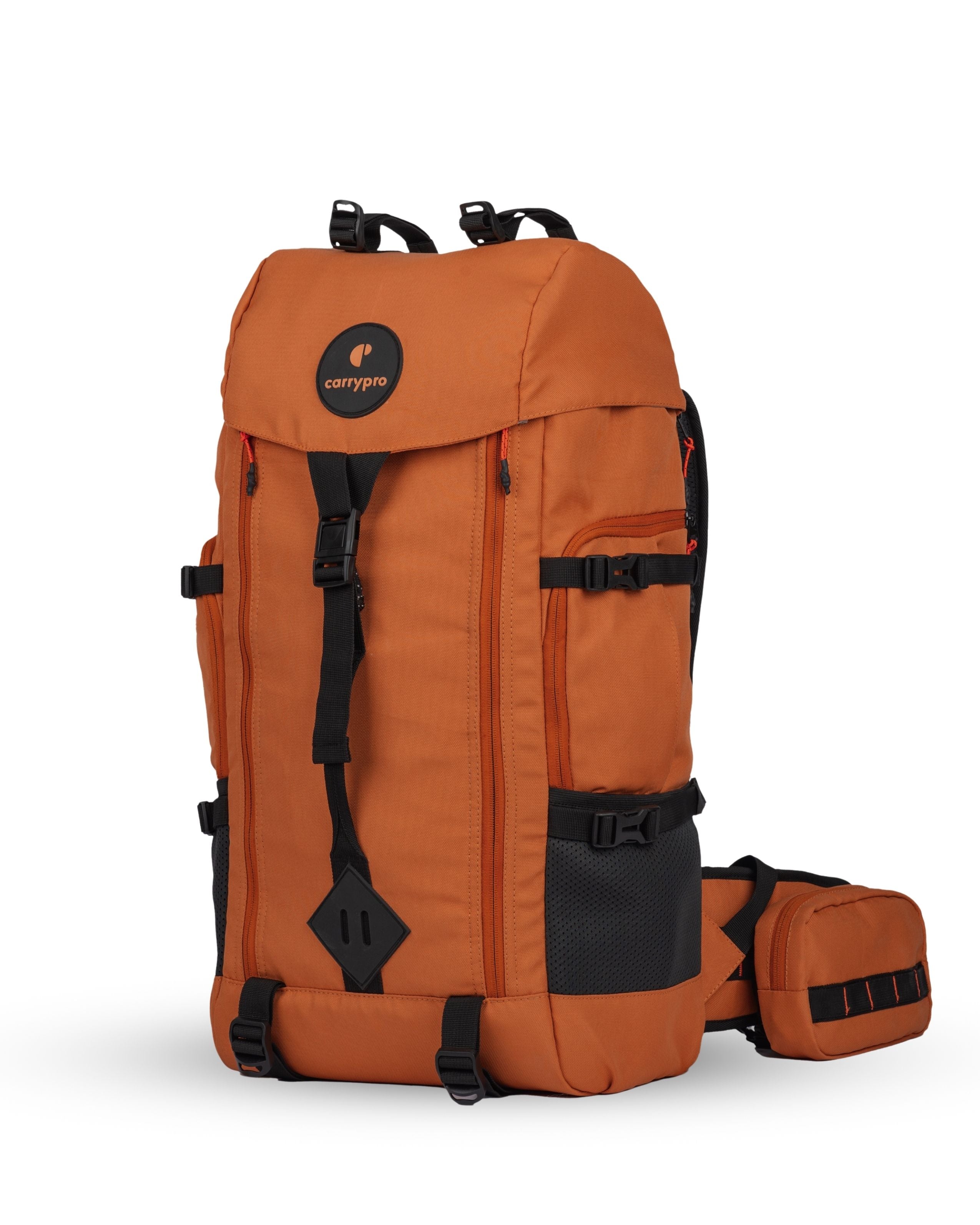
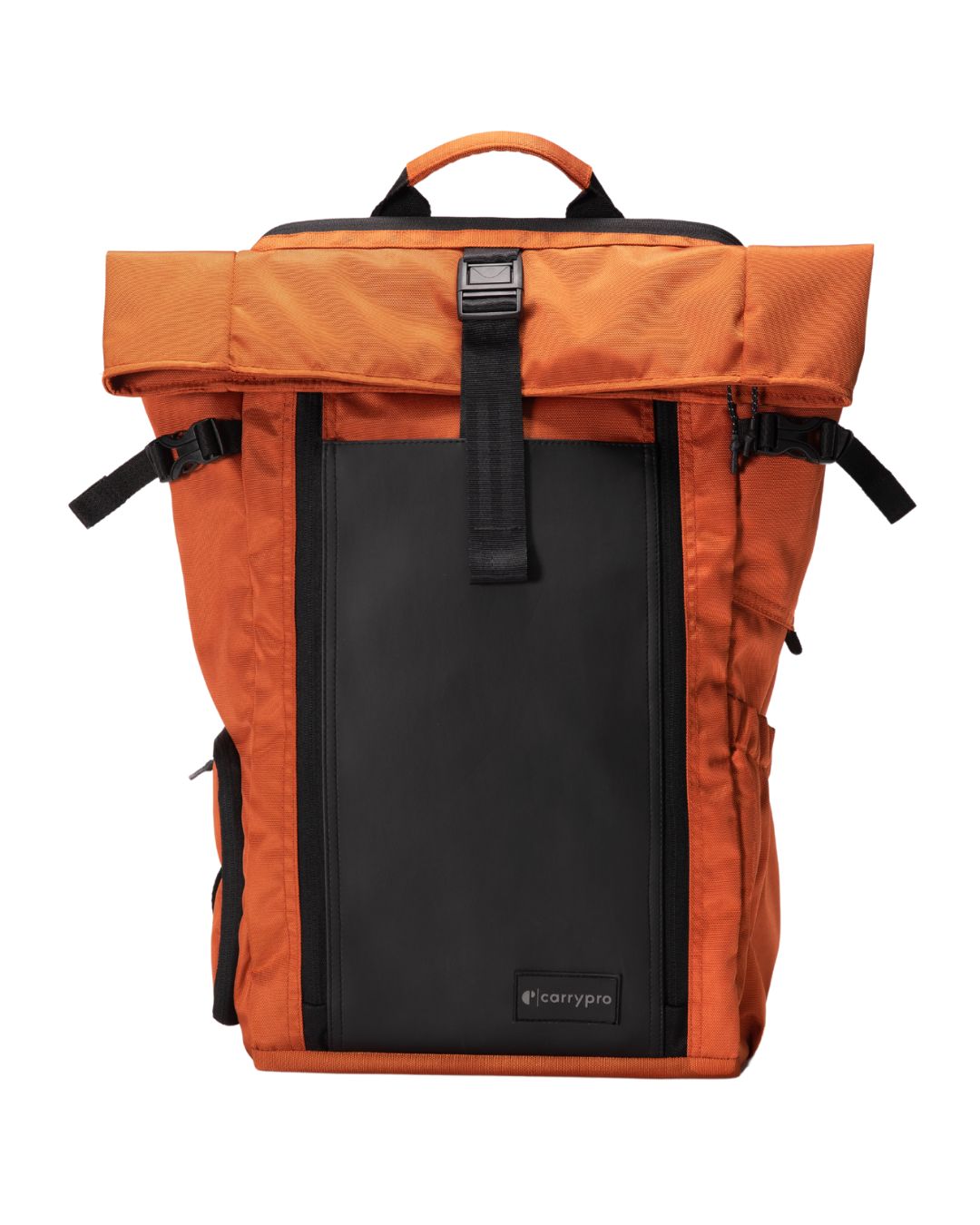
For day hikes like Triund, Rajmachi, Nag Tibba, or Skandagiri, you carry water, snacks, a rain jacket, sunscreen, a first aid kit, and your phone. A 20L to 25L trekking backpack handles this load without the bulk of a larger rucksack. The Hobo 25 gives you a rolltop closure that seals against rain and adjusts capacity based on what you pack. Light enough to forget it is on your back by the second hour of the climb.
Weekend Treks (2 to 3 Days): 30L to 40L
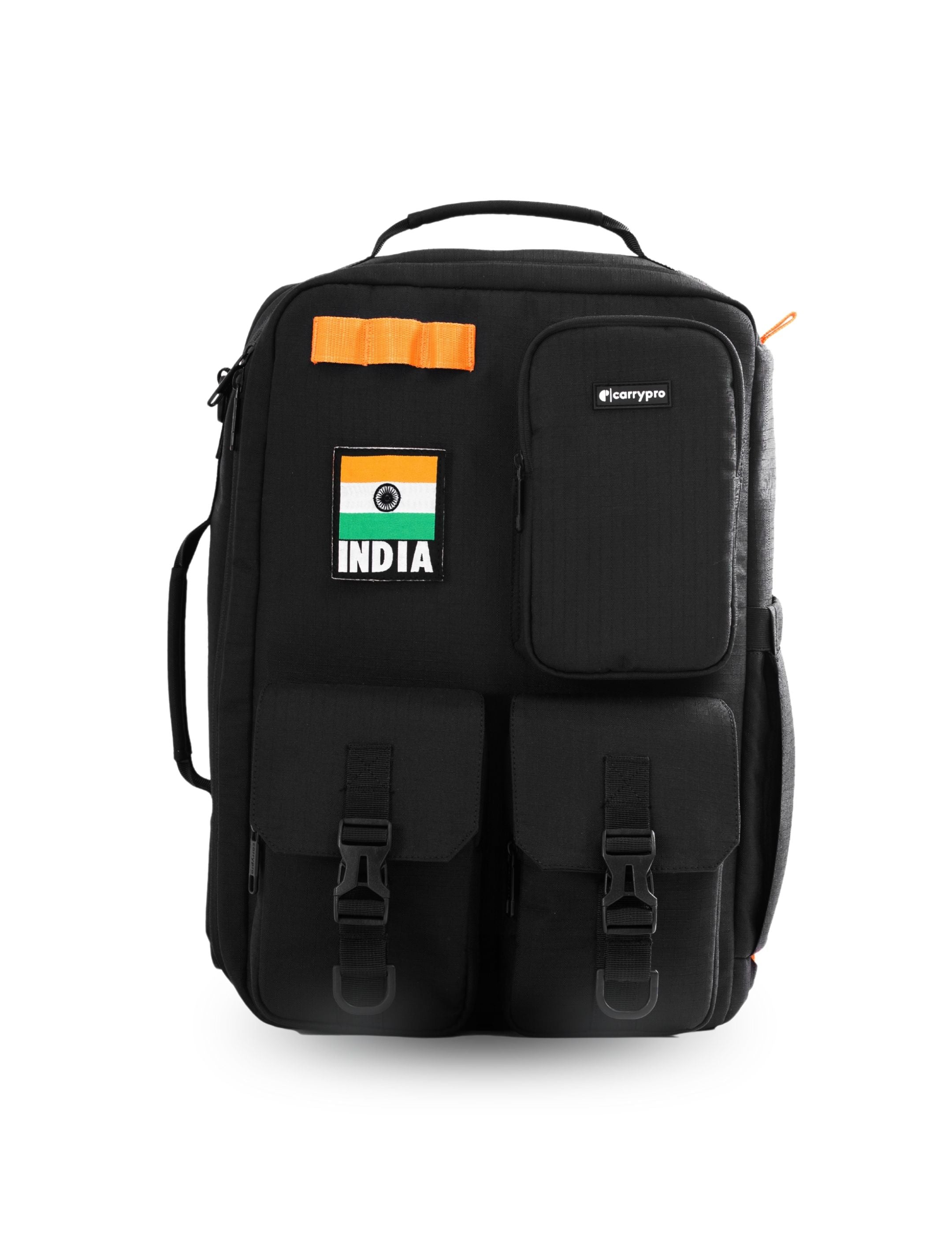
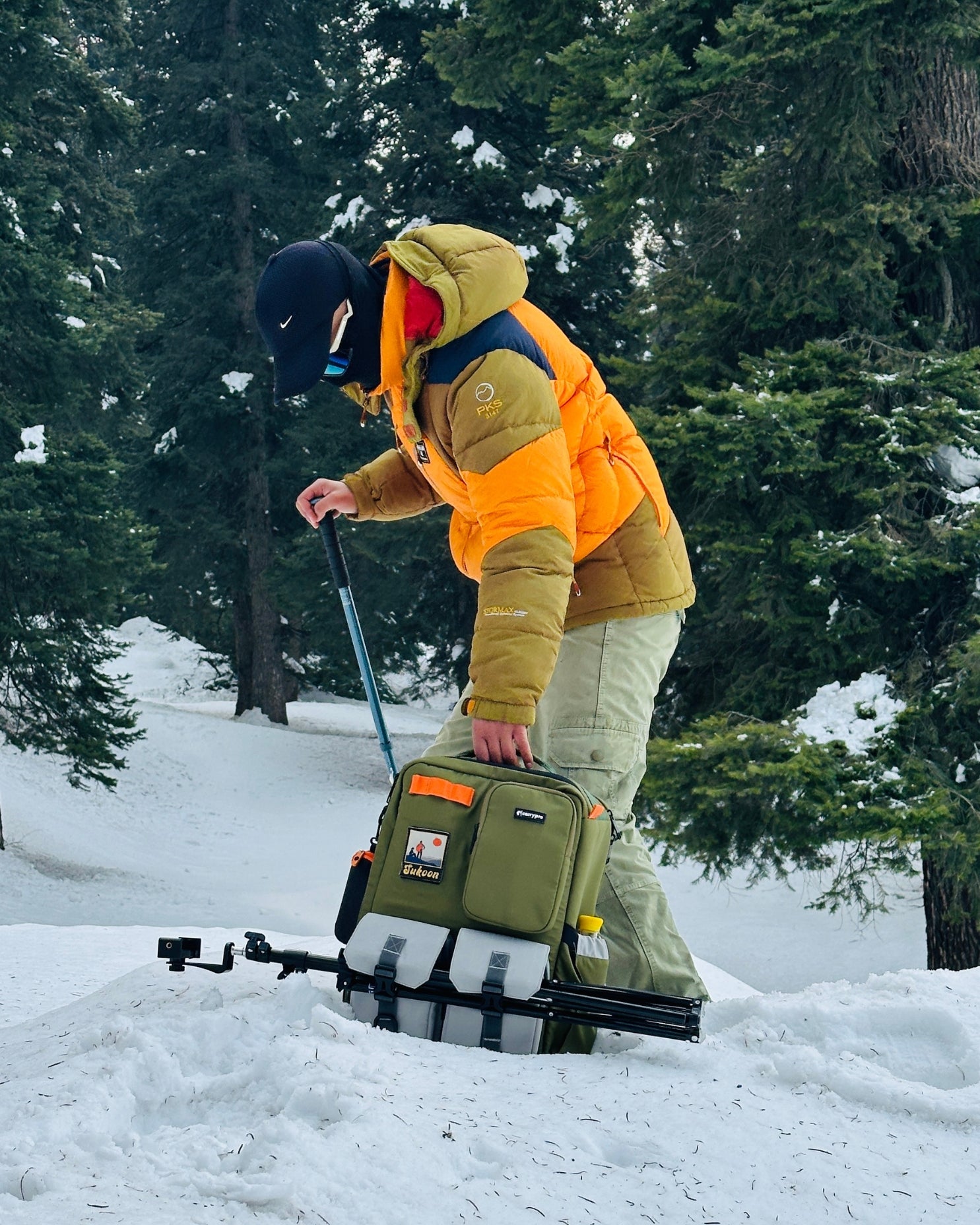
Weekend treks like Hampta Pass, Brahmatal, or Harishchandragad need clothes for 2 to 3 days, a sleeping bag liner, extra layers, toiletries, and more food. A 30L to 40L trekking bag covers this range. The Overnighter 30L opens like a suitcase so you can pack flat instead of stuffing from the top, and the Hobo 40 V2 gives you full 40L capacity with compression straps to cinch the load tight on steep sections.
Multi-Day Treks (4+ Days): 40L with Smart Packing
Longer trails like Roopkund, Pin Parvati, or Goechala traditionally call for 50L to 60L rucksacks. But experienced trekkers know that 40L is enough if you pack smart, use compression sacks, and avoid carrying duplicate layers. The Hobo 40 V2 with packing cubes and a rain cover handles 5 to 7 day treks for trekkers who have learned to pack light. If your trek operator provides tents, sleeping bags, and meals, 40L covers your personal gear comfortably.
What Makes a Good Trekking Backpack for Indian Trails
Hip Belt and Load Transfer
On a 6-hour climb with 8 to 10 kg on your back, your shoulders give out fast if the bag has no hip belt. A padded hip belt transfers 60 to 70 percent of the weight onto your hips, which are built to carry heavy loads. Sternum straps stop the shoulder straps from sliding outward on steep descents. Every trekking bag in this collection has a removable hip belt and adjustable sternum strap for proper load distribution on Indian mountain trails.
Water Resistance and Rain Cover
Weather changes fast in the Himalayas. A clear morning in Manali can turn into heavy rain within 30 minutes. Trekking bags need water-resistant fabric as the first line of defence plus a rain cover as full waterproof backup. Bags in this collection include a fitted rain cover that stows in a bottom pocket and deploys in seconds. Your sleeping layers, electronics, and documents stay dry even during sustained mountain rain.
Back Ventilation for Indian Heat
Trekking in the Sahyadris during pre-monsoon, in the Western Ghats year-round, or at lower Himalayan altitudes during summer means heat and sweat. A mesh-suspended back panel creates an air gap between the bag and your back, reducing moisture buildup over long climbs. Bags without back ventilation create a soaked patch within the first hour, leading to discomfort and skin irritation on multi-day treks.
Trekking Bag vs Travel Backpack: What Is the Difference
Carrying System
A trekking backpack prioritises load distribution with a structured hip belt, load lifter straps, and a sternum buckle. A travel backpack prioritises easy access with clamshell openings and a laptop compartment. CarryPro bags bridge both because the Hobo 40 V2 gives you the load distribution of a trekking rucksack with the packing convenience of a travel bag. You get one backpack that works on a flight to Leh and a trek to Markha Valley.
Durability and Fabric
Trekking bags face rocks, thorny bushes, rough campsite floors, and abrasive mountain surfaces that regular travel bags never encounter. Ripstop fabric, reinforced base panels, and bar-tacked stress points handle this abuse. Travel bags prioritise sleek looks and lightweight construction. Bags in this collection use trekking-grade ripstop with reinforced stitching at every high-stress junction so they survive both airport conveyor belts and rocky Himalayan trails.
Attachment Points
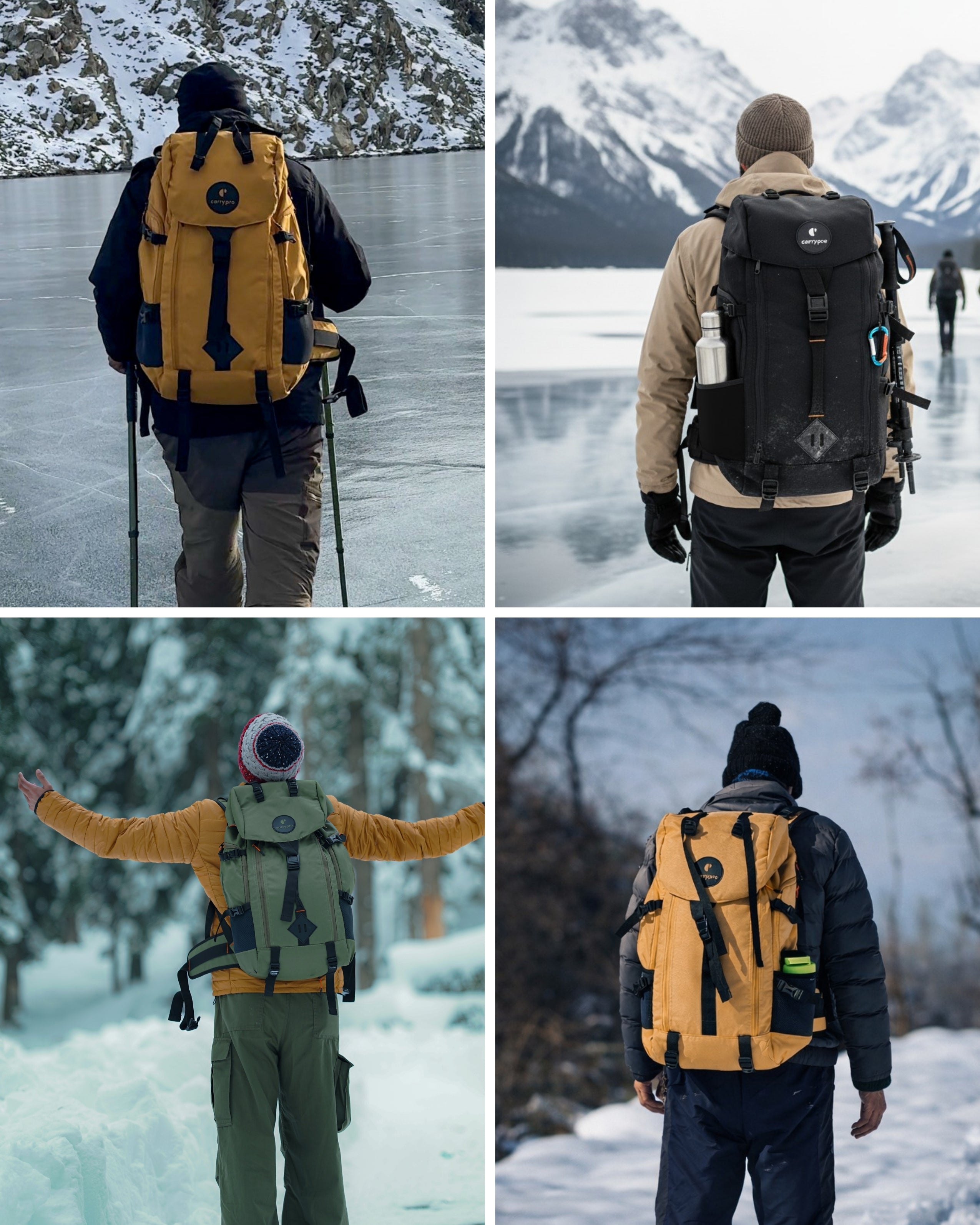
Trekking backpacks need external attachment points for trekking poles, a sleeping mat, a helmet, or a tripod. Daisy chains, compression straps, and ice axe loops let you strap gear to the outside of the bag when internal space runs out. Travel backpacks rarely have these because they are unnecessary in airports. Bags in this collection include external compression straps that double as attachment points for poles and rolled mats.
Frequently Asked Questions
What size trekking bag do I need for a Himalayan trek?
For day treks (Triund, Kheerganga, Nag Tibba), 20L to 25L is enough for water, snacks, a jacket, and essentials. For weekend treks (Kedarkantha, Brahmatal, Hampta Pass), 30L to 40L holds 2 to 3 days of clothes, extra layers, and personal gear. For multi-day treks where your operator provides tents and meals, 40L covers personal gear comfortably if you pack with compression sacks. Only go above 40L if you are self-supported and carrying your own tent, stove, and sleeping bag.
What is the difference between a trekking bag and a rucksack?
In India, the terms are used interchangeably. A rucksack is simply the older term for a backpack designed for outdoor and trekking use. Technically, a rucksack refers to a top-loading bag with a drawstring closure, while modern trekking bags often include panel-loading access and additional zip pockets. For practical purposes, trekking bag, rucksack, and hiking backpack all refer to the same category of outdoor backpacks with hip belts, rain covers, and durable construction.
Is a 40L trekking backpack enough for a week-long trek?
Yes, if your trek operator provides tents, sleeping bags, and meals, which most organised Himalayan treks in India do. Your personal gear (clothes for 5 to 7 days, toiletries, a down jacket, rain gear, headlamp, and electronics) fits in 40L with room to spare when you use compression sacks and roll your clothes. The key is packing only what you need. Experienced trekkers rarely carry more than 8 to 10 kg of personal gear even on week-long treks.
Do I need a waterproof trekking bag?
You need a water-resistant trekking bag plus a rain cover, which is more practical than a fully waterproof bag. Fully waterproof bags (like dry bags) sacrifice ventilation, pockets, and access for a sealed interior. Water-resistant fabric handles light rain and dew, and a rain cover wraps the entire bag during heavy downpours. Trekking bags in this collection include a fitted rain cover that deploys in seconds and stows in a bottom pocket when not needed. This combination keeps your gear dry in Himalayan monsoon conditions without sacrificing comfort or accessibility.
What should I look for in a trekking bag for beginners?
Start with a 30L to 40L bag with a padded hip belt, sternum strap, water-resistant fabric, and an included rain cover. Avoid going too large on your first trek because a half-empty 60L rucksack shifts weight awkwardly and causes balance issues on steep trails. Look for a back panel with mesh ventilation, compression straps to cinch the load, and at least two side pockets for water bottles. If you plan to trek and travel with the same bag, a panel-loading design (like the Overnighter 30L) gives you the easiest packing and unpacking experience.
Can I use a travel backpack for trekking?
For day treks and easy weekend hikes (Triund, Rajmachi, Skandagiri), a travel backpack works fine. For anything involving steep ascents, 6+ hours of walking, or loads above 7 kg, you need a proper hip belt and sternum strap to distribute weight. CarryPro bags like the Hobo 40 V2 are designed to work as both travel and trekking backpacks with a removable hip belt, compression straps, and water-resistant construction. You get one bag that handles flights, trains, and mountain trails.
How do I pack a trekking bag properly?
Place your sleeping layers and items you will not need until camp at the bottom. Heavy items (water, food, extra layers) go in the middle, close to your back for balance. Items you need on the trail (rain jacket, snacks, sunscreen, headlamp) go in the top pocket or lid. Keep your water bottle in a side pocket for quick access. Use the hip belt to carry 60 to 70 percent of the weight on your hips, not your shoulders. Cinch the compression straps so the load does not shift on uneven terrain.
Which is the best trekking bag brand in India?
Popular trekking bag brands in India include Wildcraft, Quechua (Decathlon), Tripole, Trawoc, Deuter, and Osprey. The best brand depends on your budget and trek type. For trekkers who also travel frequently, CarryPro offers bags that bridge both categories. The Hobo 40 V2 gives you trekking-grade load distribution with travel-friendly features like panel access and a laptop compartment, so you do not need separate bags for flights and trails.
Is a trekking bag good for daily use?
A 20L to 25L trekking bag (like the Hobo 25) works well as an everyday backpack if you prefer a durable, weather-resistant bag for commutes and campus. Larger trekking bags (30L to 40L) are too bulky for daily use but work as a dedicated trip bag. The advantage of a trekking bag for daily use is superior durability, water resistance, and back ventilation compared to standard everyday backpacks. The trade-off is a sportier look that may not suit formal office environments.
How much weight can I carry in a trekking backpack?
A well-designed trekking backpack with a hip belt handles 10 to 15 kg comfortably. For most Indian treks (Himalayan, Sahyadri, Western Ghats), your personal gear should weigh 8 to 10 kg including water. Going above 12 kg significantly increases fatigue and injury risk, especially on steep trails and high-altitude treks where your body is already working harder. Pack light, carry only what you need, and use the hip belt to transfer the bulk of the load off your shoulders.