
Every packing guide online tells you to roll your clothes. Every travel gear brand tells you to buy packing cubes. Both claim to save space. Both claim to keep the bag organised. The honest answer is that rolling and packing cubes solve different problems and using them together saves more space than either method alone.
What Rolling Actually Does
Rolling is a packing technique where each clothing item is folded once and then rolled into a tight cylinder. The cylinder shape eliminates the flat air pockets that folding creates between layers.
A rolled t-shirt takes up roughly 30% less space than the same t-shirt folded flat. Rolled items also stack vertically inside a bag, making every item visible without unstacking layers. For soft, unstructured items like t-shirts, shorts, underwear, and socks, rolling is the most space-efficient single technique.
Where Rolling Falls Short
Rolling does not compress clothes. Air trapped inside the fabric stays inside, just redistributed into a cylinder shape. A rolled hoodie takes up less floor space than a folded one, but the total volume is similar. Rolling also creates a messy pile by day two of a trip. Without compartments to separate categories, rolled items shift, unroll, and tangle every time the bag is opened.
Structured items like button-down shirts, blazers, and trousers wrinkle more when rolled because the tight cylinder creates concentrated crease points. For these items, folding flat with tissue paper between layers works better.
What Packing Cubes Actually Do
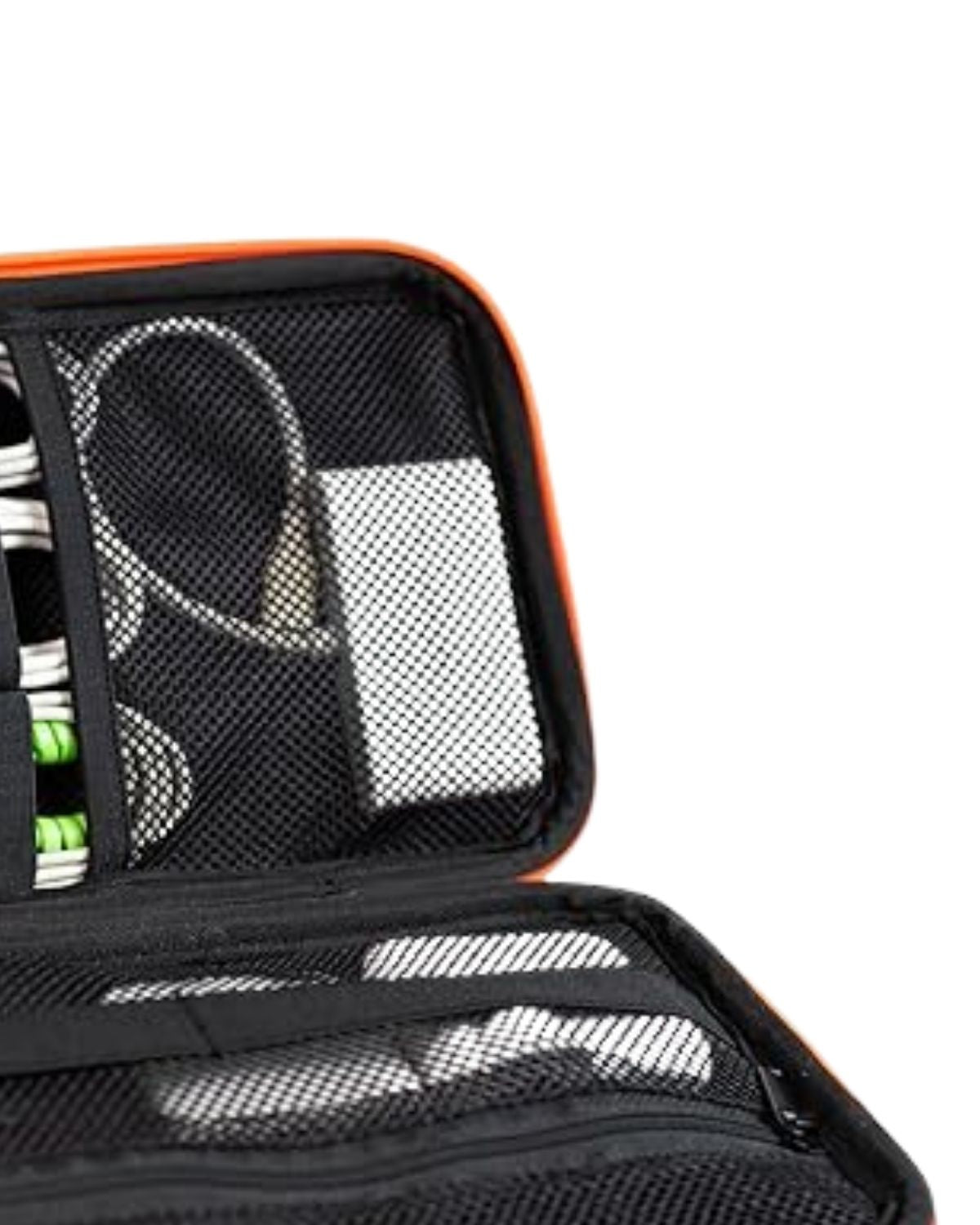
A packing cube is a lightweight fabric rectangle with a zipper, designed to hold a category of clothing. One cube for tops. One for bottoms. One for undergarments and socks. According to a 2023 survey by Travel + Leisure, packing cubes are the most recommended packing accessory among professional travel organizers, with compression cubes cited as the single best method for maximizing luggage space.
Packing cubes do not fold or roll clothes for you. What they do is create rigid compartments inside an otherwise shapeless bag. A travel backpack without cubes is a single large cavity where everything shifts during transit. A backpack with cubes is a structured system where each category of item has a fixed location.
Compression Cubes vs Regular Cubes
Regular packing cubes organise but do not compress. Compression packing cubes have a second zipper panel that squeezes the contents down, pushing trapped air out of the fabric. Compression packing cubes recover 20 to 30% of volume compared to clothes packed loose. For a 40L backpack, that is 8 to 12 litres of recovered space, enough for a pair of shoes or a light jacket.
Rolling vs Packing Cubes: A Direct Comparison
Here is how each method performs across the factors that actually matter during a trip.
| Factor | Rolling Only | Packing Cubes Only | Rolling + Compression Cubes |
|---|---|---|---|
| Space savings vs folding | 20-30% | 10-15% (organisation, not compression) | 30-40% |
| Organisation after day 2 | Poor (items shift and unroll) | High (fixed compartments) | Highest |
| Finding specific items | Dig through the pile | Pull the right cube | Pull the right cube |
| Separating clean and dirty | No built-in method | Dedicate one cube for dirty clothes | Same |
| Wrinkle prevention | Good for casual items, bad for formal | Depends on how tightly packed | Good for casual, neutral for formal |
| Works best for | Casual trips, soft fabrics | Any trip, any fabric | Multi-day travel, mixed wardrobes |
Why Using Both Together Works Best
Rolling clothes before placing them inside compression cubes gives the highest space savings. Rolling eliminates flat air gaps between garments. Compression cubes squeeze out air trapped inside the fabric itself. Combining both tackles air from two angles.
The Combined Method Step by Step
Roll each item individually. Place rolled items of the same category into the correct cube (tops in one, bottoms in another, undergarments in a third). Close the main zipper. Then close the compression zipper to squeeze the cube down to minimum volume. Stack cubes inside the backpack.
A set of three compression cubes holds a full week of clothing inside a 40L travel backpack while leaving room for shoes, a toiletry kit, and a tech organiser. The guide on how to pack a travel backpack covers the full layering system for placing cubes inside a bag.
When to Skip Cubes and Just Roll
Packing cubes add 100 to 200 grams per cube to the bag. On ultra-light trips where every gram counts, or on day trips where the bag holds only one change of clothes, rolling without cubes is simpler and lighter.
Solo overnight trips, gym bag packing, and short domestic flights where checked baggage is not needed are all scenarios where rolling alone works fine. A 30L overnighter backpack handles a rolled change of clothes, toiletries, and a laptop without needing cubes.
When Cubes Are Essential
Multi-day trips where the bag is opened and repacked repeatedly benefit most from cubes. Without them, the bag becomes progressively messier each day. Separating clean and dirty clothes into different cubes prevents smell transfer. Pulling a single cube out of the bag for quick outfit changes at a hotel keeps the rest of the bag intact.
Shared luggage, where two people pack into one bag, absolutely needs cubes. Without them, items mix and finding a specific garment becomes a full unpacking exercise.
A guide on whether a 40L backpack is enough for a week covers exactly how cubes extend the practical capacity of a single travel bag.
Roll First. Cube Second. Pack Once.
Neither rolling nor packing cubes alone is the best method. Combining both gives the most space and the most organisation inside any travel bag. Roll the clothes, cube them by category, compress the cubes, and stack them in the backpack. One packing session at home saves a week of fumbling through a messy bag. Check the packing cubes collection and pair them with the right travel backpack for your next trip.
Pack smarter for your next trip.
Start with a travel backpack sized right for the journey — our 40L travel backpacks and carry-on backpacks fit cabin limits on most airlines. Round it out with travel toiletry kits, packing cubes, and a rain cover.
Frequently Asked Questions
Do packing cubes actually save space?
Regular packing cubes organise but do not significantly compress. Compression packing cubes save 20 to 30% of space by squeezing trapped air out of the fabric.
Is rolling clothes better than folding?
Yes, for most casual items. Rolling saves 20 to 30% of space compared to folding and makes every item visible without unstacking layers. Structured items like blazers fold better.
Can I use packing cubes in a backpack?
Yes. Packing cubes work in any bag, including travel backpacks, suitcases, and duffel bags. Most cube sets are sized to fit 30 to 40L backpacks.
How many packing cubes do I need for a week-long trip?
Three to four cubes cover a full week: one for tops, one for bottoms, one for undergarments and socks, and optionally one for dirty clothes.
Do packing cubes prevent wrinkles?
Packing cubes do not prevent wrinkles on their own. Rolling clothes before placing them in cubes reduces wrinkles for casual fabrics. Structured fabrics (dress shirts, trousers) wrinkle regardless of the method.
Should I roll clothes inside packing cubes?
Yes. Rolling before cubing gives the highest space savings. Rolling removes flat air pockets. Compression cubes remove air trapped in the fabric itself. Combining both methods saves 30 to 40% of space versus folding flat.